

If you’ve ever dreamed of seeing sharks, giant manta rays, and playful pods of dolphins—all on a single trip—then scuba diving in Socorro should be at the top of your bucket list. The Socorro Islands offer some of the planet’s best big-animal diving, with thrilling encounters in a remote, untamed setting. Here’s everything you need to know before you dive into this wild and unforgettable experience.
Table of Contents:
- Why Go Scuba Diving in the Socorro Islands?
- Where is Socorro?
- How to Get There
- Marine Life of Socorro
- • Manta Rays & Dolphins
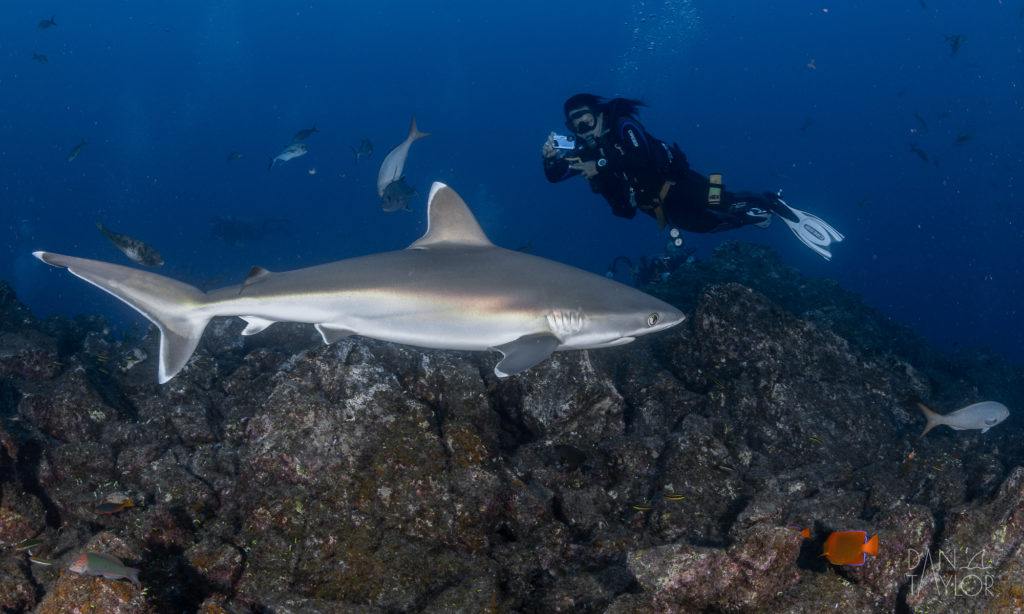
- • Sharks
- • Whales
- • Turtles
- Best Time to Visit
- New to Scuba? Diving Requirements
- Best Dive Sites
- Ethics of Diving Socorro
- Why Choose Nautilus Liveaboards?
Why Go Scuba Diving in the Socorro Islands?
Wondering what makes scuba diving at Socorro so special… It’s the serenity and the spectacle! This remote archipelago is a paradise for marine megafauna, and Socorro is synonymous with big-animal scuba diving.
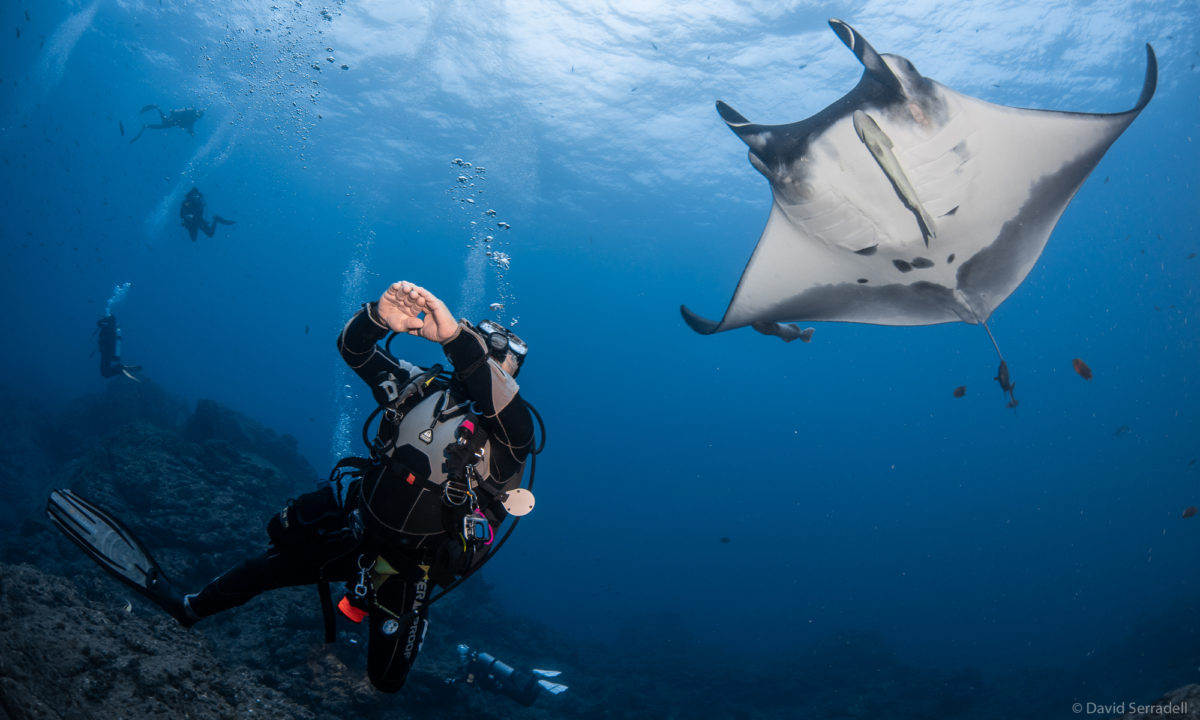
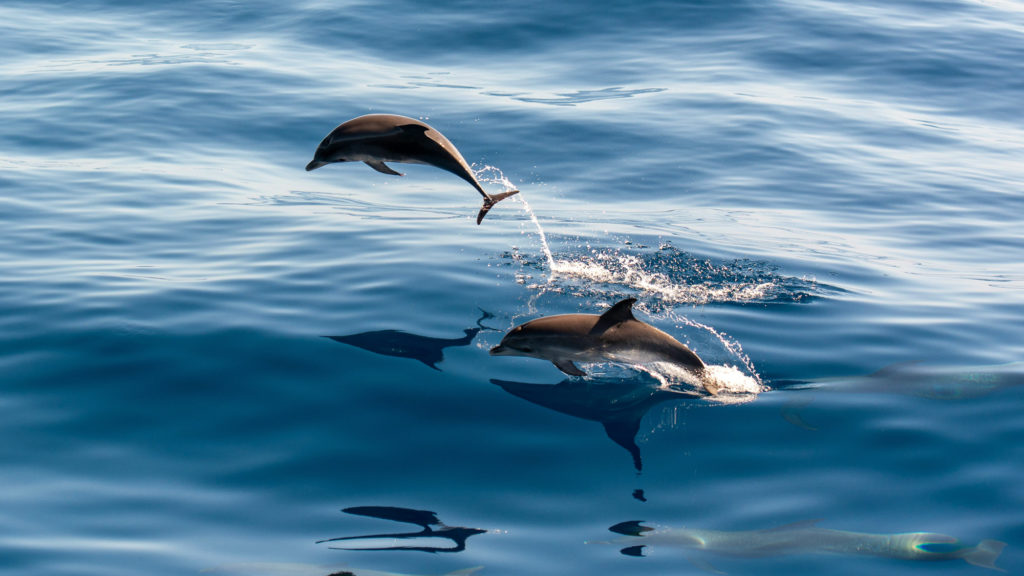
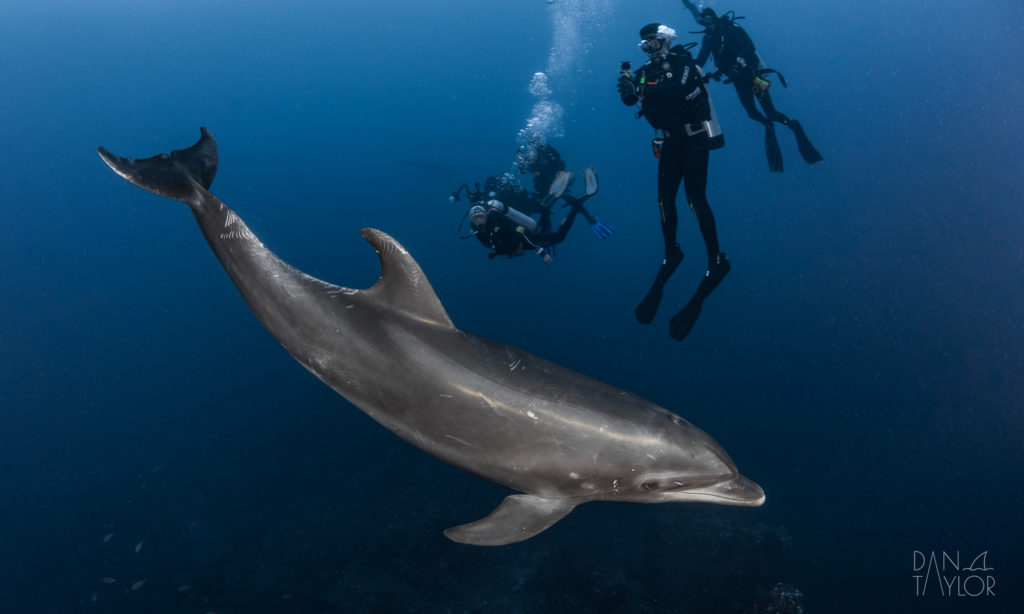
Socorro’s dive sites are never overcrowded due to their isolation and limited permits, meaning you can enjoy the underwater world in the most raw and beautiful way. Expect face-to-face encounters with some of the ocean’s most iconic species. Incredibly, the giant manta rays and bottlenose dolphins that call these islands home are particularly friendly and curious towards their human visitors. Nowhere else in the world can you experience such intimate and interactive encounters.
Since the Socorro Islands are so remote, the only way to scuba dive there is by liveaboard—and that’s part of the magic. You’ll enjoy multiple dives each day, comfortable accommodations, gourmet meals, and expert guides, all while exploring one of the most thrilling dive destinations on the planet.
We had incredible wildlife encounters on every dive. If you want big animals, the Socorro Islands are the place to go. Close encounters with big sharks, including Galapagos, white tips, silver tips, schooling hammerheads, and even tiger sharks!
The mantas seemed to love the divers’ bubbles and followed us around on almost every dive. This time, we were even lucky enough to have a few bottlenose dolphins come and play with us. Thank you, Nautilus team, for another wonderful and epic expedition.”
Thomas (Guest), CEO of Wild Earth Expeditions, April 08, 2025
Where is Socorro?
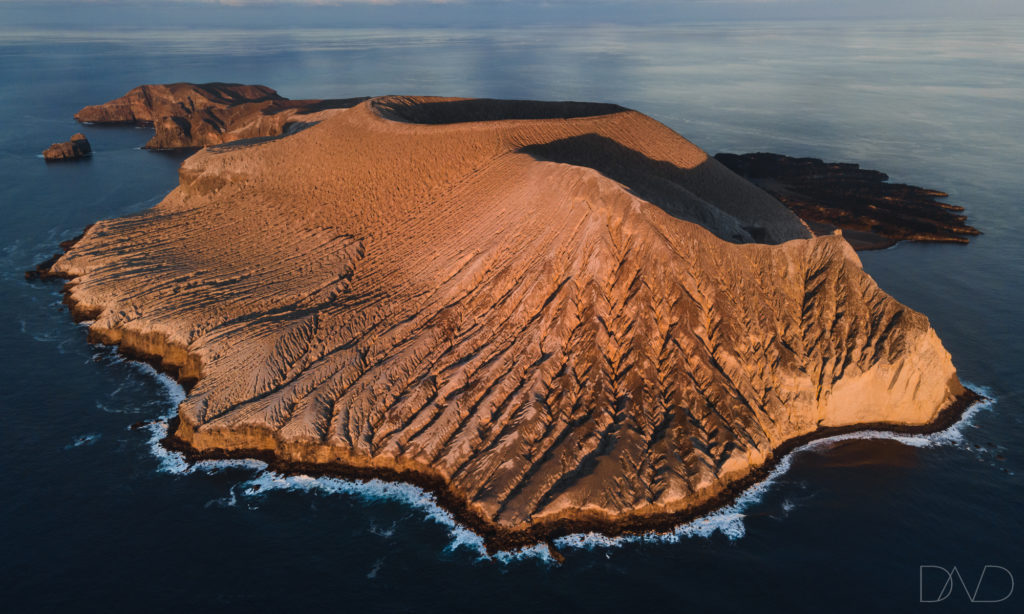
When people talk about diving “Socorro”, they’re usually referring to the entire Revillagigedo Archipelago. It’s named Socorro because that’s the largest of its four volcanic islands, along with San Benedicto, Roca Partida, and Clarión.
Collectively known as the Socorro Islands, they lie approximately 400km (250 miles) off the southern tip of Baja California, and so are some of the most remote islands in Mexico. These isolated islands and their surrounding waters were designated a UNESCO World Heritage Site in 2016 and have been protected as a marine reserve since 2017. They are so remote and well-protected from human impact that it feels like being in Jurassic Park. There’s just true wilderness and spectacular animal encounters.
How to Get to the Socorro Islands
The Socorro Islands are very remote and, as a result, can only be accessed by boat. Most trips depart from Cabo San Lucas in Baja California Sur, so you’ll want to fly into Los Cabos International Airport (SJD). It’s a good idea to arrive at least a day early to explore Cabo, grab a taco (or two), and ease into the journey. Or, if you want to experience more of Baja’s incredible wildlife, you could arrive even earlier and plan a few excursions using Cabo as a base.
• You could take a boat trip to Cabo San Lucas Marine Park for some warm-up dives, or more experienced divers may pick the famously challenging Gordo Banks dive site.
• You could also explore the Sea of Cortez and visit La Paz’s sea lions. Choose from scuba diving, snorkeling, free diving, kayaking, or paddleboarding. Plus time to relax on Espiritu Santo’s beautiful beaches.
Underway from Cabo to Socorro
It takes at least 24 hours, depending on the weather, to sail from Cabo to the marine park. That means one full day sailing out and the same on your return. It may seem like a long time, but trust us, the destination is more than worth it! Plus, the crossing is a great time to unwind, settle in, and get to know your fellow adventurers before the diving begins.
Where to Stay in Socorro for Scuba Diving
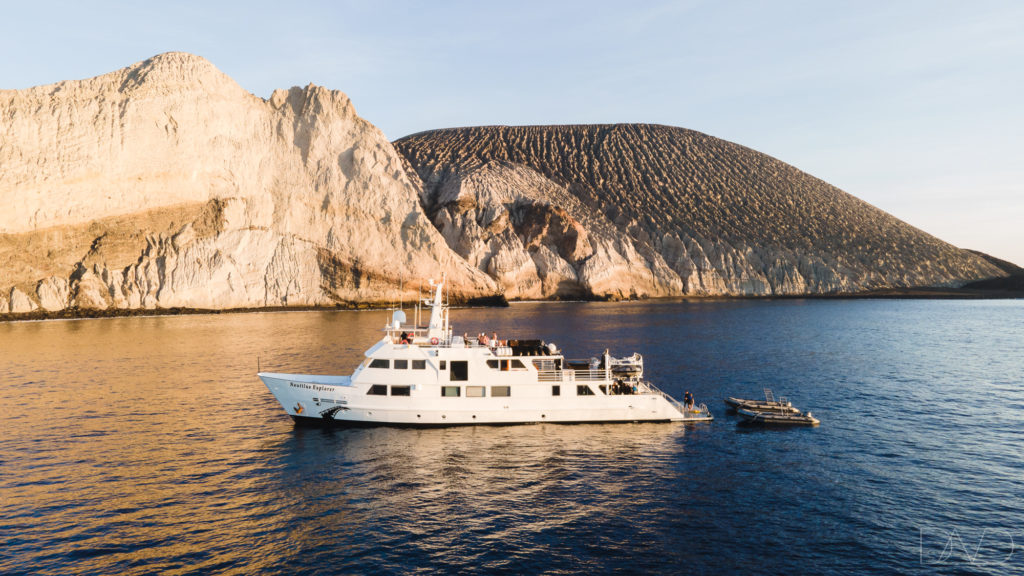
The Socorro Islands are almost completely uninhabited, with only a couple of small naval bases. There are no hotels, resorts, or restaurants to spoil its beautiful, virgin beaches. For example, people aren’t even allowed to set foot on the islands without a permit. It’s just pure, wild nature out here—so the only place to stay is on a boat! Therefore, a liveaboard trip is the best way to explore this incredible area and a perfect base for scuba diving around Socorro.
Marine Life in the Socorro Islands: What You Can See
This is big animal diving at its best! The Socorro Islands offer some of the most impressive marine life encounters in the world.
Scuba Dive with Socorro’s Key Pelagic Species
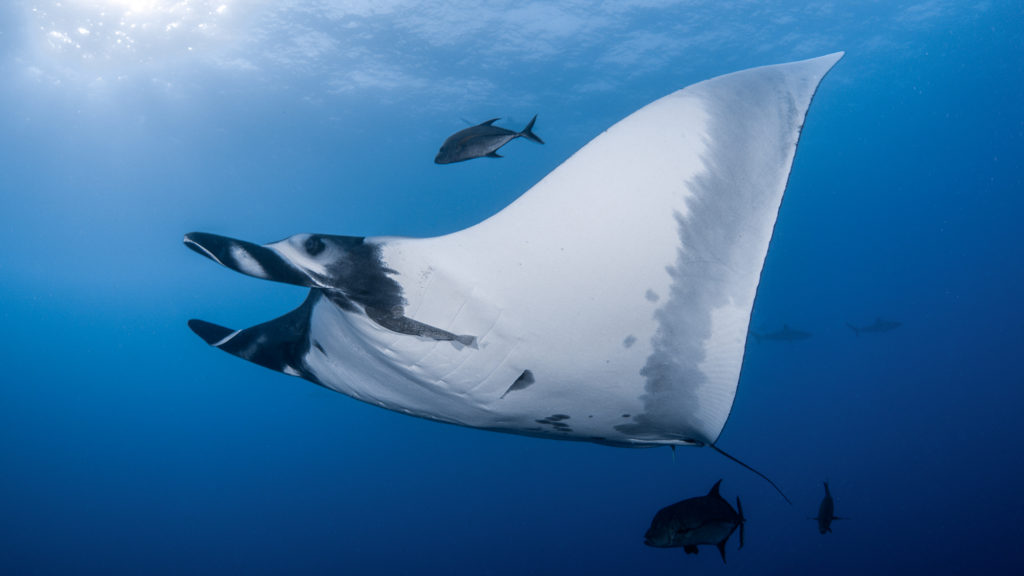
• Giant manta ray (Manta birostris): These gentle giants, with a wingspan of around 5-7m (16-23ft), are particularly curious and often swim eye-to-eye with divers
• Bottlenose dolphin (Tursiops truncatus): Playful and highly intelligent, known to interact with divers for several minutes at a time
• Whale shark (Rhincodon typus): Largest known fish species, identified by their stunning & unique pattern of spots
• Yellowfin tuna (Thunnus albacares) & Wahoo (Acanthocybium solandri): These fast, agile predators create dramatic hunting scenes when encountering bait balls
“Four dives today and we saw mantas on every one! They love our bubbles and are quite curious, so they spent lots of time swimming around us. The visibility was awesome, with an abundance of fish, plus a whale shark on three of the dives. And… in between dives, a humpback whale with her calf was breaching in front of the rock! Amazing!”
Sally (Guest), May 09, 2025
Related Reading: ‘The Incredible Marine Life of the Socorro Islands’
Face-to-Fin Encounters: Scuba Diving with Sharks in Mexico
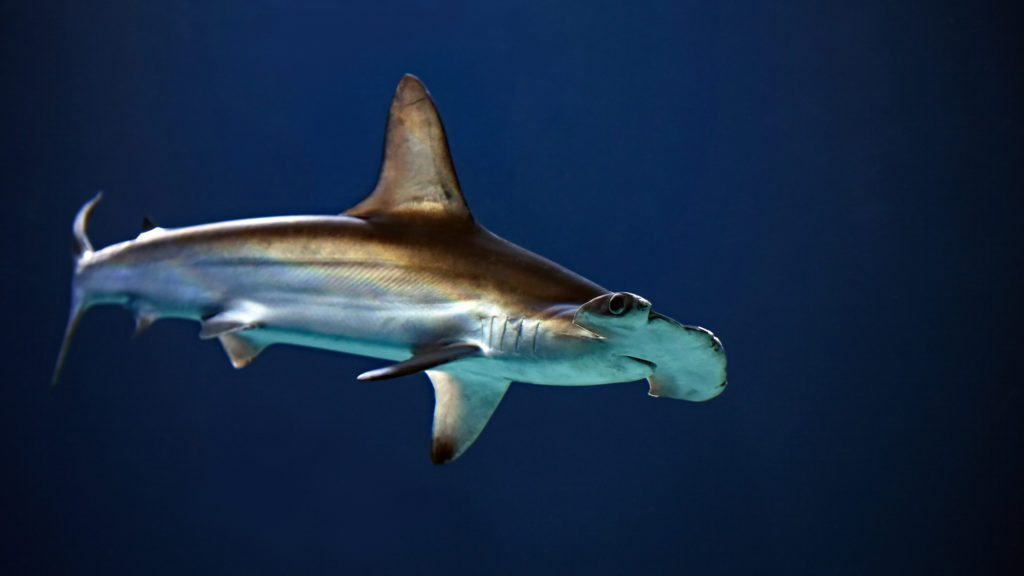
There’s something magical about seeing a shark in the wild. If you’re hoping to see sharks while scuba diving, Socorro won’t disappoint. These remote waters are a hotspot for some of the ocean’s most iconic predators. In short, there’s a good chance you will encounter some, if not many, of the following sharks during your trip.
Frequently Encountered Shark Species
Many of these frequently encountered sharks are often seen in large numbers around the Socorro Islands. Especially whilst scuba diving at the cleaning stations and drop-offs:
• Scalloped hammerhead (Sphyrna lewini) – especially in large aggregations, depending on the season
• Tiger shark (Galeocerdo cuvier) – often spotted off the coast of San Benedicto & Socorro Island
• Galapagos shark (Carcharhinus galapagensis)
• Silvertip shark (Carcharhinus albimarginatus)
• Whitetip reef shark (Triaenodon obesus)
• Silky shark (Carcharhinus falciformis)
• Dusky shark (Carcharhinus obscurus)
“The diving was amazing – mantas, hammerhead sharks, tiger sharks, and so many fish! It’s unbelievable how healthy the biodiversity is in this place; it is a pearl!”
Susana & Family (Guests), June 01, 2025
Occasional or Rare Shark Sightings
These species are rarer and solitary; therefore, sightings are less common and depend on various factors, including sheer luck:
• Whale shark (Rhincodon typus) – more common in November to December & May to July
• Great hammerhead shark (Sphyrna mokarran)
• Oceanic blacktip shark (Carcharhinus limbatus)
• Oceanic whitetip shark (Carcharhinus longimanus)
• Thresher shark (Alopias spp.)
Whales
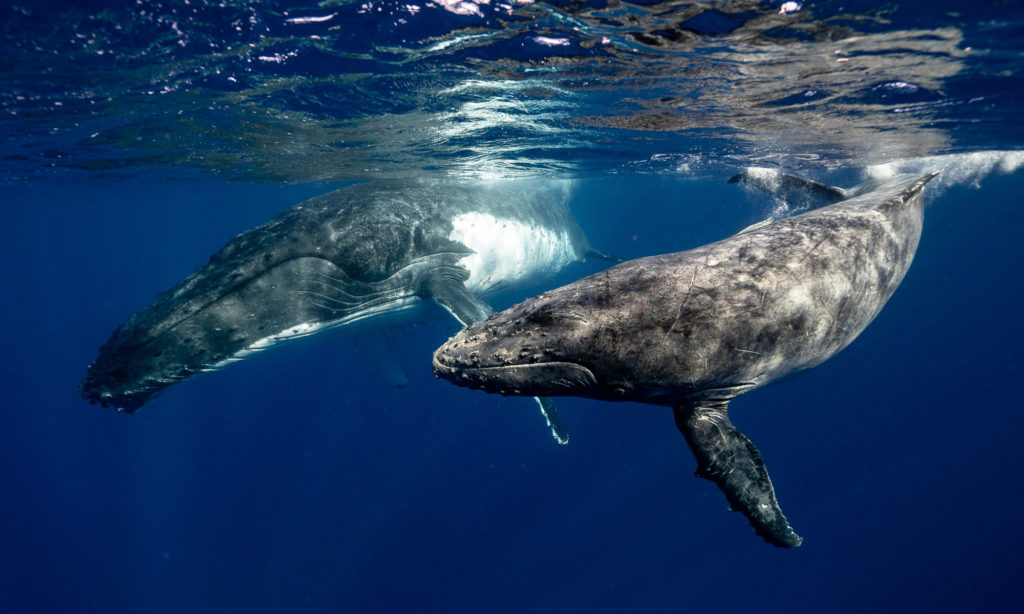
Humpback whales are seasonal visitors around the Socorro Islands, just passing through for mating and birthing. While snorkeling with whales is prohibited, surface sightings are common. If you’re lucky, underwater encounters may occur incidentally.
Turtles
Sea turtles bring a sense of calm and wonder to any dive. You may see them swimming gracefully or chomping on their favorite foods such as jellyfish, algae, and seagrass. The Revillagigedo Archipelago is home to four species of sea turtle:
• Hawksbill turtle (Eretmochelys imbricata),
Green turtle (Chelonia mydas)
• Olive ridley turtle (Lepidochelys olivacea)
• Leatherback turtle (Dermochelys coriacea)
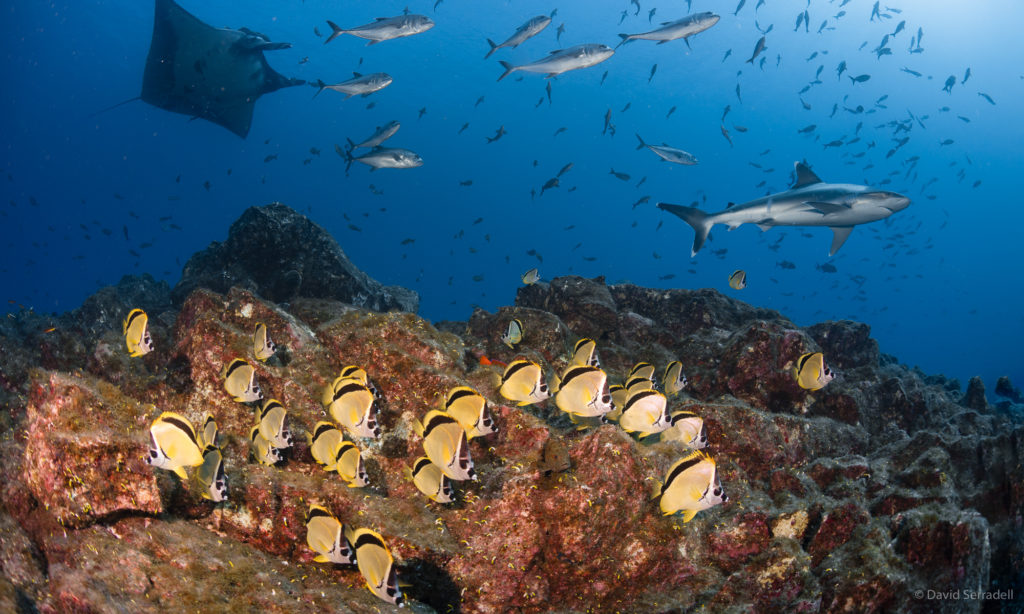
In addition to large pelagic life, Socorro hosts notable reef and benthic species:
- Clarion angelfish – endemic species, found only around the Socorro Islands
- Barberfish
- Spiny lobster
- Green moray eel
- Zebra moray eel
- Common octopus
- Spotted boxfish
When Is the Best Time for Scuba Diving in Socorro?
The best time for scuba diving in the Socorro Islands is from November to mid-July. In addition to thousands of fish, the diving season offers big animal diving throughout – think dolphins, giant manta rays, and sharks, including schooling hammerheads.
Trips usually aren’t available from mid-summer to October. The marine park closes at this time of year due to increased storm risk.
Seasonal Marine Life of the Socorro Islands
There’s a high chance you will see dolphins, manta rays, and several sharks on any trip in the Revillagigedo Archipelago. However, certain species are more likely to be encountered during specific months. This can be due to migration patterns, breeding cycles, food availability, or shifts in water temperature.
- Whale sharks: November to December & late-April to July
- Humpback whales: January to April
- Bait ball season: April to July – huge schools of fish attract pelagic predators
- Yellowfin tuna: April to July – larger numbers attracted by bait balls
- Silkies: generally solitary sharks, however, recorded in large aggregations through May & June
What Is The Weather Like In The Socorro Islands, Mexico?
The Socorro Islands have a sub-tropical climate with warm days and cooler nights, and average water temperatures that range from 21°C (70°F) in winter to 28°C (84°F) in summer.
The islands are generally considered dry, with a mean annual precipitation of 600 mm per year, mostly falling between August and October.
| Month | Avg. High Temp (Day) | Avg. Low Temp (Night) | Water Temperature | Notes |
| November | 25 °C / 77 °F | 19 °C / 66 °F | 24-27°C /75-80°F | Generally calm and sunny |
| December | 24 °C / 75 °F | 18 °C / 64 °F | 24-27°C /75-80°F | Slightly cooler; excellent visibility |
| January | 22 °C / 72 °F | 18 °C / 64 °F | 21-24°C /70-75°F | Cooler water temperatures |
| February | 23 °C / 74 °F | 18 °C / 64 °F | 21-23°C /70-74°F | Dry and breezy |
| March | 23 °C / 74 °F | 18 °C / 64 °F | 21-23°C /70-74°F | Consistently good visibility and weather |
| April | 23 °C / 74 °F | 18–19 °C / 64–66 °F | 23-27°C /74-80°F | Warmer seas; generally calm |
| May | 24 °C / 75 °F | 19 °C / 66 °F | 23-27°C /74-80°F | Calm seas; sunny and warm |
| June | 25 °C / 77 °F | 20 °C / 68 °F | 23-27°C /74-80°F | Light winds; very warm temperatures |
| July | 27 °C / 81 °F | 20 °C / 68 °F | 24-27°C / 75-80°F | Hot and humid; generally calm but increasing storm potential |
Related Reading: ‘What to pack for scuba diving in Socorro?’
Socorro’s Dive Conditions: Visibility & Currents
While scuba diving in Socorro, you can expect mostly clear, blue water with visibility up to 30m (100ft), dropping to around 10-15m (33-50ft) in stronger swell or during plankton blooms. Don’t worry, these extra nutrients attract large volumes of marine life, so it really is worth the trade-off!
Multiple ocean currents converge in the Archipiélago de Revillagigedo, which generates a complex and productive transition zone. These nutrient-rich waters attract spectacular marine life but can also cause unpredictable conditions, including swell, surge, and currents.
On some days, the sea is flat and calm, with no currents; in contrast, there could be up to two knots of currents at some sites. The good news—our expert guides know the secrets to working with the current instead of fighting it.
You won’t use reef hooks or ropes at Socorro; instead, our super-experienced guides have mastered the technique of sheltering from currents in calm back eddies and the lee of the reefs. Meanwhile, giving you a front-row seat to see the sharks and other predators enjoying the fishy smorgasbord that the current brings in.
New to Scuba? Diving Requirements for Socorro
At Nautilus Liveaboards, we welcome certified divers of all levels and do not require a minimum number of logged dives. To maximize diver safety and comfort, our dives include thorough briefings and guidance from expert dive leaders. Some dive sites in Socorro can be challenging for beginners, and therefore, minimum dive requirements can vary by operator. To avoid disappointment, be sure to check this with your tour operator prior to booking.
What Skills Do You Need for Scuba Diving in Socorro?
Diving the Socorro Islands is incredibly rewarding—but due to its remote location and dynamic conditions, it’s important to come prepared. While you don’t need to be a professional diver, a few essential skills and a reasonable level of fitness will help you get the most out of the experience.
Here’s what we recommend:
- Solid buoyancy control: You’ll need to maintain your position in the water column and control your depth with confidence, especially when diving near volcanic formations, in surge, or in changing currents.
- Basic water fitness and physical health: Some dives may require swimming against mild to moderate currents or moving with your gear between the main vessel and the dive skiff. Being in good health and dive-ready shape will make this easier and more enjoyable.
- Comfort with your equipment setup: Divers are expected to prepare and check their own gear for each dive. Knowing how to assemble and troubleshoot your kit helps ensure smooth and stress-free entries.
- Open water confidence: Most dives are conducted from skiffs using a backward roll entry. You should feel comfortable entering the water this way and managing surface conditions in open ocean environments.
Whether you’re a seasoned diver or freshly certified, having these fundamental skills will help you enjoy safe, exciting encounters while scuba diving with Socorro’s incredible marine life.
Recommended diving qualifications:
Advanced Open Water certification or equivalent is recommended to get the most out of your dives. Some of the best dive sites and marine life encounters are deeper, at 20-30m (66-100ft).
Enriched Air (Nitrox) certification to allow for maximum dive time. Diving repetitively on air means your nitrogen levels will soon become a limiting factor. Using Nitrox is a great way to help reduce the nitrogen load and extend your bottom time, meaning extra incredible memories with the marine life.
Guests have the option to complete diving qualifications with SeeCreatures, our sister company in Cabo San Lucas, before starting their Nautilus Liveaboard adventure. This can include your Open Water, Advanced Course, or Enriched Air Nitrox. These courses must be arranged in advance, and we recommend arriving in Cabo with plenty of time to complete the training before your departure day.
What Are The Dive Sites Like In Socorro?
We, at Nautilus Liveaboards, pioneered diving around Socorro. When we started in 1978, we were only aware of a few dive sites, and only about 300 divers visited per year. Over the years, we have conducted numerous surveys and exploration dives, seeking every possible cleaning station and big animal hotspot. Since sharks and manta rays are the main attraction of scuba diving in the Socorro Islands, we focus our dives around the cleaning stations and pinnacles that attract the big marine animals. In terms of their topography, Socorro’s dive sites are defined by dramatic volcanic formations, towering pinnacles, and plunging drop-offs.
Highlights of the ‘Best Dive Sites in Socorro’:
El Canyon (San Benedicto): One of the Socorro Islands’ best dive sites, featuring a deep chasm and many species of shark, known for schooling hammerheads
‘The Boiler’: A submerged pinnacle that earns its name from the churning or boiling effect created as the swell breaks just below the surface, a hotspot for manta rays’ mating dance
“…After a while of enjoying the swirling fish with the jagged face of El Boiler behind us, we encountered a pod of dolphins and multiple species of sharks hunting a school of jacks. Wow!”
Luz (Guest), 14 June 2025
Punta Tosca: Favourite with underwater photographers, in other words, it’s got vibrant topography and macro life, plus cleaning stations that attract all sorts of life
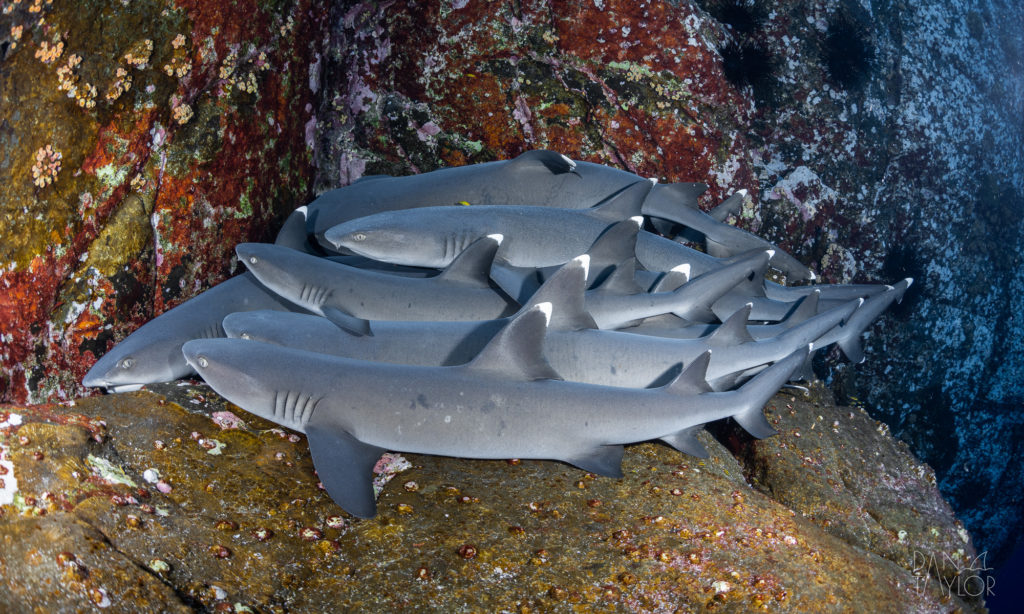
Roca Partida: The lone pinnacle is a magnet for pelagic species, including jacks, tunas, and sharks, and also hosts ‘cuddle puddles’ of resting whitetip sharks
Cabo Pearce: Famous for strong currents, schooling hammerheads, and clarion angelfish busily cleaning the manta rays
“Diving at Cabo Pearce is always an unforgettable experience… Every time I take divers here, the beauty of the spot leaves them speechless!”
Mario (Dive Guide), Feb 14, 2025
Are Scuba Diving Trips in the Socorro Islands Ethical?
Yes, when done responsibly, scuba diving in the Socorro Islands is considered an ethical and sustainable activity. Tourism in this remote archipelago is strictly regulated by the Mexican government to prevent overcrowding and protect the region’s rich marine biodiversity. Operators must follow Marine Park rules designed to preserve Socorro’s fragile ecosystems and safeguard wildlife like manta rays, sharks, and dolphins.
Some key Socorro Marine Park regulations include:
- ▪️ A limited number of licensed liveaboards
- ▪️ No night diving or in-water activities after sunset
- ▪️ Dive knives and flashlights (other than camera lights) are not permitted
- ▪️ Maximum recreational diving depth of 35m (115 ft)
- ▪️ No decompression or technical diving allowed
- ▪️ No shore access without official permits
- ▪️ Fishing is restricted and controlled by designated zones
By choosing a reputable and conservation-minded liveaboard operator, like Nautilus, you help ensure that scuba diving in Socorro remains both ethical and sustainable for generations to come.
Why Choose Nautilus Liveaboards for a Socorro Scuba Diving Trip?
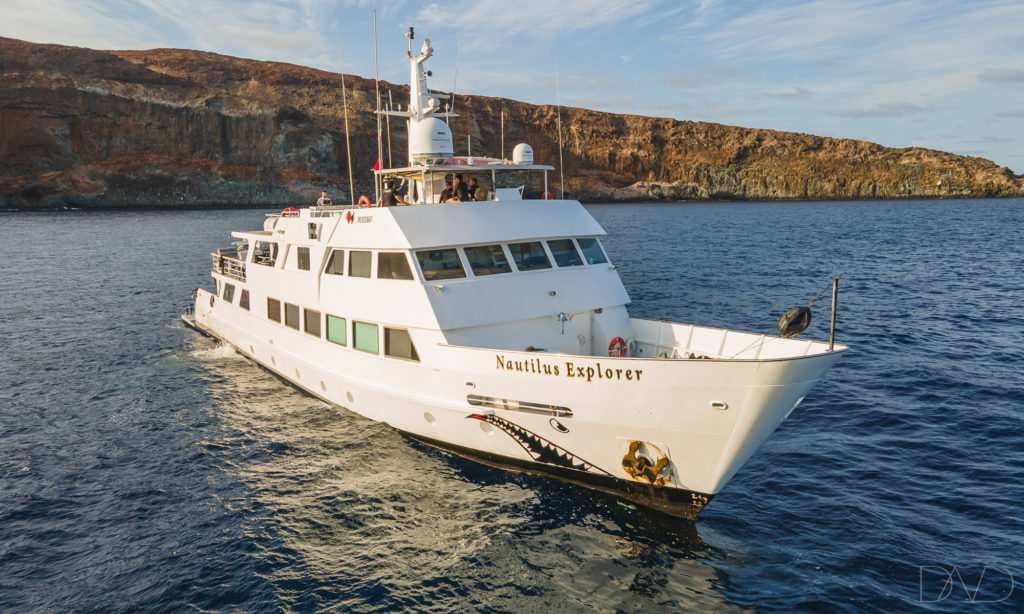
We have a rich history with the Socorro Islands, having explored their waters since 1978—long before they made their mark on the global dive map. In 2002, we began leading scuba diving expeditions here, combining our pioneering spirit with an unwavering focus on safety and guest experience. As one of the first operators in the region, our passion for exploration helped pave the way for what Socorro diving has become today. We’re proud to say that Nautilus Adventures is now one of the most trusted names in liveaboard diving.
When choosing your liveaboard, here’s what sets Nautilus apart:
- 🔹 Spacious dive decks with camera stations and rinse tanks
- 🔸 Luxury en suite cabins and a sun deck with a hot tub
- 🔹 Gourmet meals and snacks freshly prepared by our onboard chef
- 🔸 Experienced dive guides, plus an onboard underwater naturalist offering regular marine life presentations
- 🔹 Extra water-based activities are available, such as paddleboarding and kayaking
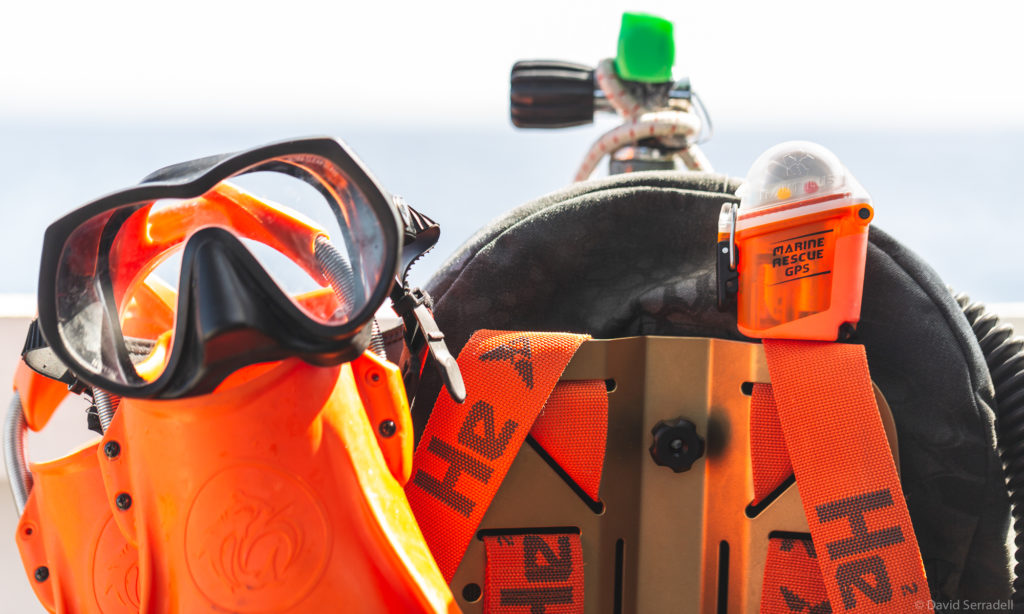
- 🔸 Emphasis on safety, all divers are provided with a GPS marine rescue device called a Nautilus LifeLine
- 🔹 Fleet of custom-built, ocean-going ships offers serious stability and comfort at sea.
- 🔸 All team members are trained in emergency protocols, first aid, and safety drills that exceed industry standards
- 🔹 Our Captains, mates, and engineers have professional commercial mariner qualifications
Diving Days with Nautilus Liveaboards
The diving here is best known for the big marine animals like manta rays, sharks, and dolphins. So we plan dives around the specific sites where they are seen regularly and in larger aggregations. For instance, encounters around cleaning stations are much more reliable and intimate than out in the big blue.
We aim for around four dives per day, giving you lots of chances for adrenaline-fuelled underwater adventures. However, there may be occasions where Mother Ocean limits diving activities. All divers understand that we can’t always predict the weather or control water conditions. Although we think they’re all unmissable, know that each dive is optional. Sometimes it’s nice to sit one out and take a snooze or enjoy a few quiet moments on the sun deck.
If dive site access is limited due to the number of boats present, captains coordinate times to avoid crowding. This guarantees that each dive operation will have the chance to enjoy the site to itself; however, it occasionally reduces the daily dive count to three. Also, once per trip, all liveaboards must check in at the local navy base. On that day, you may do up to three dives.
Here are a few extra things you should know about our dives:
- ▪️ Up to four dives per day
- ▪️ Maximum of 8 divers per guide
- ▪️ Mandatory dive briefings – learn about the marine life, safety tips, and the dive plan
- ▪️ No decompression diving or deliberately “going blue”
Typical Day Scuba Diving on a Socorro Liveaboard
6:30 am – Wake up to a continental breakfast
7:30 am – Dive briefing
8 am – Dive 1, followed by a hot breakfast
11 am – Dive 2, followed by lunch
2 pm – Dive 3
4:45 pm – Dive 4
6:30 pm – Cocktail hour and evening presentation
7:30 pm – Dinner
Top tip for planning a diving trip to the Socorro Islands: book in advance! Socorro is one of the world’s top scuba diving destinations; for this reason, spaces are limited and can fill up fast. Some trips even sell out a year or two in advance! If you don’t want to miss out, start looking at dates now and start planning your next bucket-list holiday!
Scuba diving in the Socorro Islands isn’t just another dive trip. It’s a once-in-a-lifetime adventure that stays with you long after you’ve dried off your gear. Picture yourself gliding alongside giant manta rays by day and unwinding in a hot tub under the stars by night. With Nautilus, world-class diving meets exceptional comfort and service.
Browse our exclusive Socorro liveaboard itineraries and treat yourself to the dive adventure of a lifetime.