



Straight-Shooting Safety Advice from Us
With more destinations, operators, and offers available worldwide, safety has to be a shared responsibility. That applies to operators, but also to divers themselves. Being informed matters. Ask questions, look closely at safety standards, and choose your operators carefully.

Recent headlines have made this especially relevant. A number of accidents, fires, and sinkings involving liveaboard dive vessels, as an example, the recent incidents in the Red Sea, are a strong reminder that safety cannot be taken for granted.
According to Divers Alert Network (DAN), between 2022 and 2024, there were 20 serious incidents reported on liveaboards. 50% were caused by fires. 30% involved vessels running aground, often at night due to the absence of a proper night watch. And the remaining 20% were linked to stability issues, with boats capsizing during storms. While fewer in number, these stability-related incidents have proven to be the deadliest over the past three years.
Put simply, liveaboard safety comes down to a few non-negotiables. Early fire detection, a well-trained crew, and qualified watchkeepers on duty at all times.
Handy Do’s and Don’ts Before Booking a Liveaboard
In light of recent incidents across the industry, here are some tips to consider before booking your next trip.
💨 Fire detection is critical. Smoke is often the first sign of a fire, and detecting it early can prevent a minor incident from becoming a major emergency. Simply sticking a smoke detector on a ceiling really isn’t enough! Does the liveaboard have hard-wired primary and backup smoke and fire detection systems? Not having an alarm system should be a deal-breaker; you can always take a portable smoke detector for your cabin for extra peace of mind.
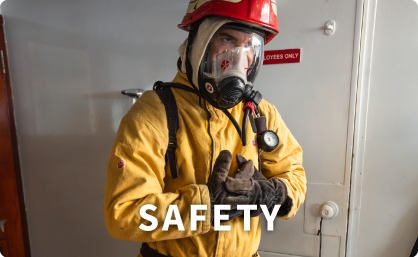
🧯 Detection means nothing without the ability to respond. A well-prepared vessel should be equipped with a sprinkler system, a properly trained crew, and at least two complete sets of firefighting equipment and turnout gear. Detecting a fire only helps if the crew can safely and effectively put it out.
🕙 Qualified watch keeping around the clock. Fires and flooding don’t wait for morning, and having trained eyes on board at all times is one of the most effective safety measures at sea. One person cannot safely stand watch 24 hours a day, day after day. Does the liveaboard carry a certificated captain and a certificated mate, both professionally trained to internationally recognized standards?
⚓︎ Finally, trust your eyes. Look closely at photos of the vessel before booking. One major red flag is a doorway from the swim platform leading directly into the interior. That would be a huge design flaw on a properly certificated boat. Also, does the boat appear balanced, or top-heavy? Does the superstructure seem disproportionately tall for the hull? A well-designed vessel should look stable and purposeful.

In the End…
Liveaboard diving is one of the best ways to explore the ocean, combining adventure, comfort, and luxury. Sure, state-of-the-art interiors, TVs, and sound systems are wonderful, but most importantly, safety first.
Take reasonable precautions, ask questions, and dive with confidence.
We love talking about safety! Please feel encouraged to contact us anytime with questions.