

If sharks, giant manta rays, and dolphins make your dive-heart race, the Socorro Islands belong at the top of your list. But when is the best time for diving the Socorro Islands? What time of year should you be planning your Socorro diving trip?
In this guide, we’ll break down Socorro’s scuba season — looking at weather, ocean conditions, and the iconic marine life you’re most likely to encounter — so you can plan the experience you’ve been dreaming of.
What’s in this post:
- Why Dive the Socorro Islands?
- Best Time for Diving in the Socorro Islands
- When to see the Best Marine Life?
- Best Weather for the Socorro Islands
- What should you pack for a diving trip to Socorro?
- Socorro Island Diving: Conditions, Visibility & Currents
- Best Dive Sites
- FAQs
- Why Choose Nautilus Liveaboards
Why Dive the Socorro Islands?
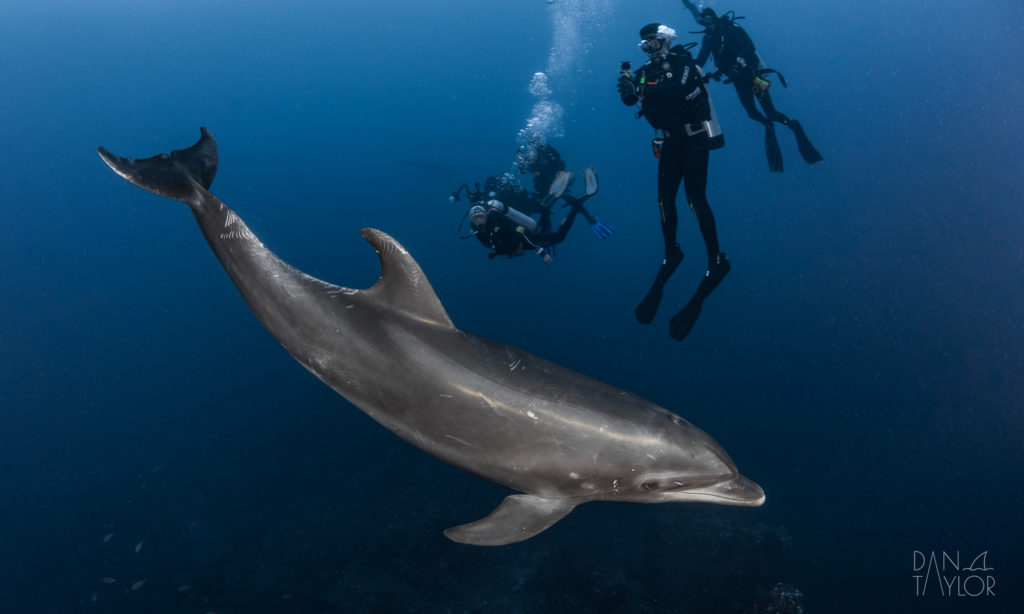
So, what makes diving at Socorro so special? In a word: megafauna. This remote volcanic archipelago has earned its reputation as one of the best big-animal dive destinations on the planet. The Socorro Islands come highly recommended by divers for divers. And it’s easy to see why, with abundant sharks and manta rays, plus bottlenose dolphins who often join in on the fun.
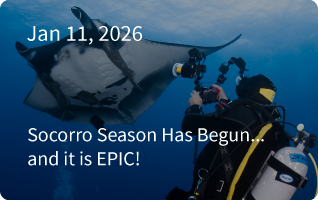
Another huge advantage of the Socorro Islands is that the dive sites never feel crowded. Thanks to its remote location and restricted access, there’s space to breathe and really enjoy the moment. Without the distraction of other dive groups and rogue tank bangers! And Socorro’s mantas? They’re famously curious — often circling divers for long, lingering, eye-to-eye encounters.
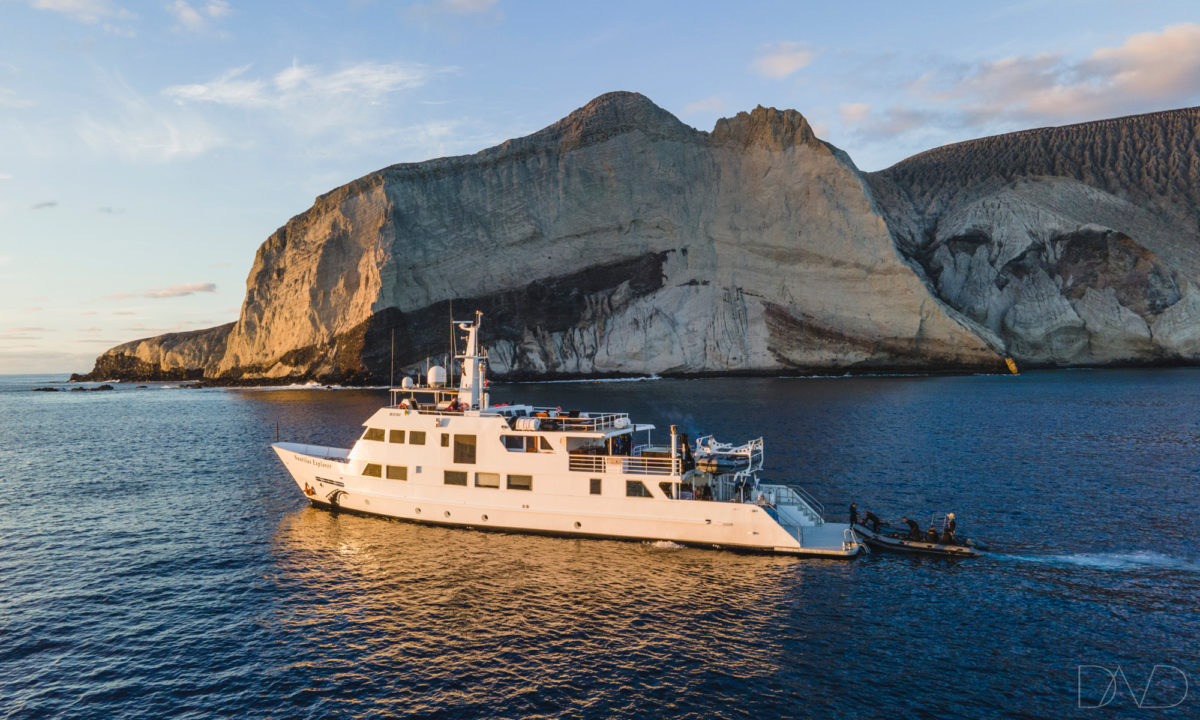
You can only dive Socorro by joining a liveaboard, which honestly adds to the magic. You wake up on the ocean, dive multiple times a day, and fall asleep knowing tomorrow might bring even more sharks, mantas, dolphins, or other ocean surprises.
It’s remote. It’s wild. And it’s the kind of diving trip that stays with you forever.
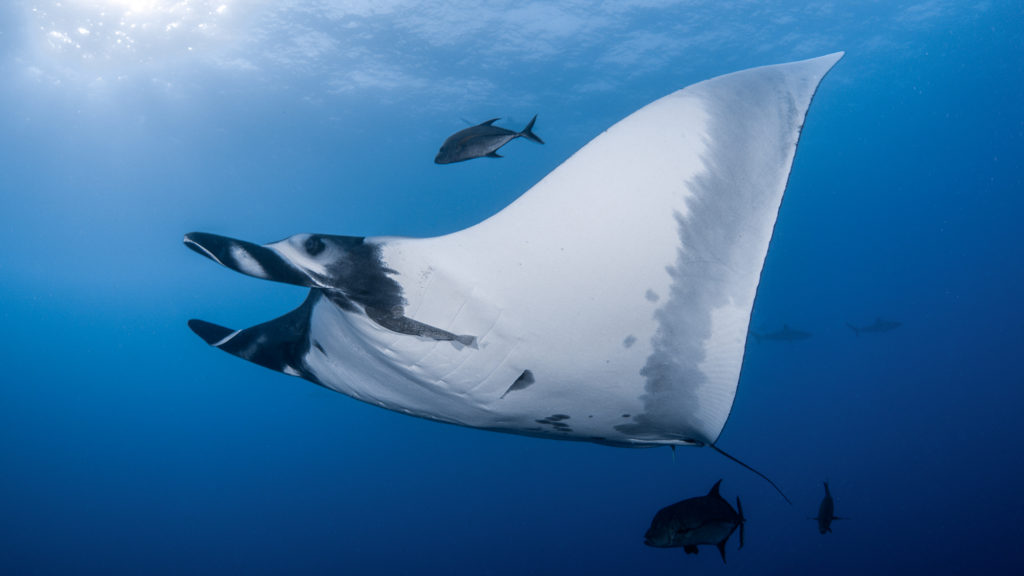
“There are many places in the world that promise something special but don’t always deliver. Socorro thankfully is one of those places that really does. With an abundance of pelagic marine life and interaction I’ve never experienced before, it really is a magical place.“
Allan F, Nautilus Guest Review, 11th November 2025
When is the Best Time for Scuba Diving in the Socorro Islands?
The best time to scuba dive the Socorro Islands is from November through mid-July. During this season, the islands deliver unforgettable big-animal encounters alongside thousands of reef fish — think dolphins, giant manta rays, and apex predators ranging from tuna to tiger sharks.
The marine park typically closes from mid-summer through October due to increased storm activity. Because diving in Socorro is seasonal and access is limited, planning is essential if you want to visit at the best time diving Socorro has to offer.
When to See the Best Marine Life of the Socorro Islands
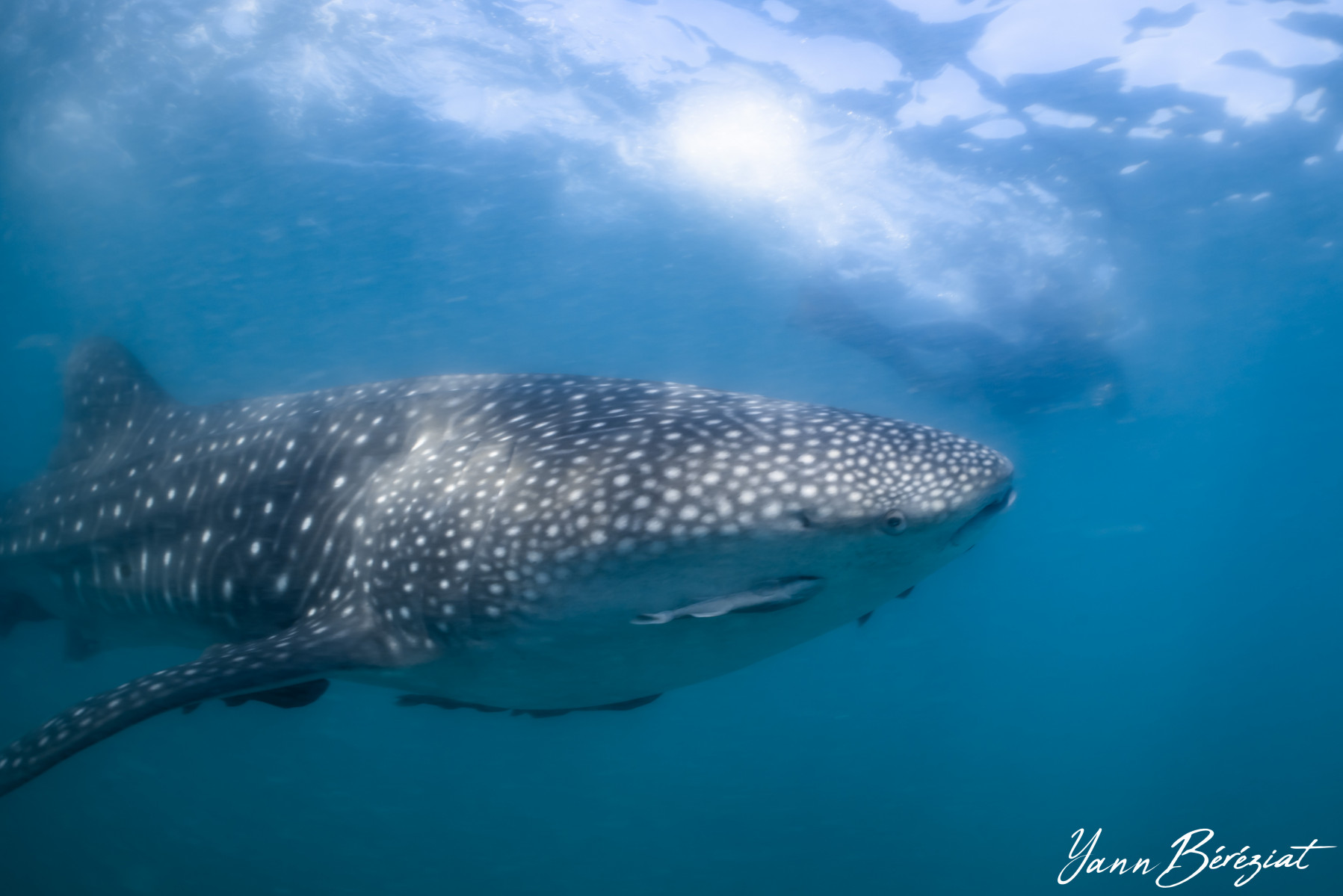
Almost every trip to the Revillagigedo Archipelago will include sightings of sharks, dolphins, and manta rays. However, encounters with some species, such as whale sharks, are more likely during certain months. Below, we’ve listed a few of Socorro’s seasonal species and when the best time to see them is:
- Whale sharks: November to December & late-April to July
- Humpback whales: January to April
- Bait ball season: April to July – huge schools attract pelagic predators
- Yellowfin tuna: April to July – larger numbers attracted by bait balls
- Silkies: generally solitary sharks, however, recorded in large aggregations through May & June
When is the Best Weather for Diving in the Socorro Islands, Mexico?
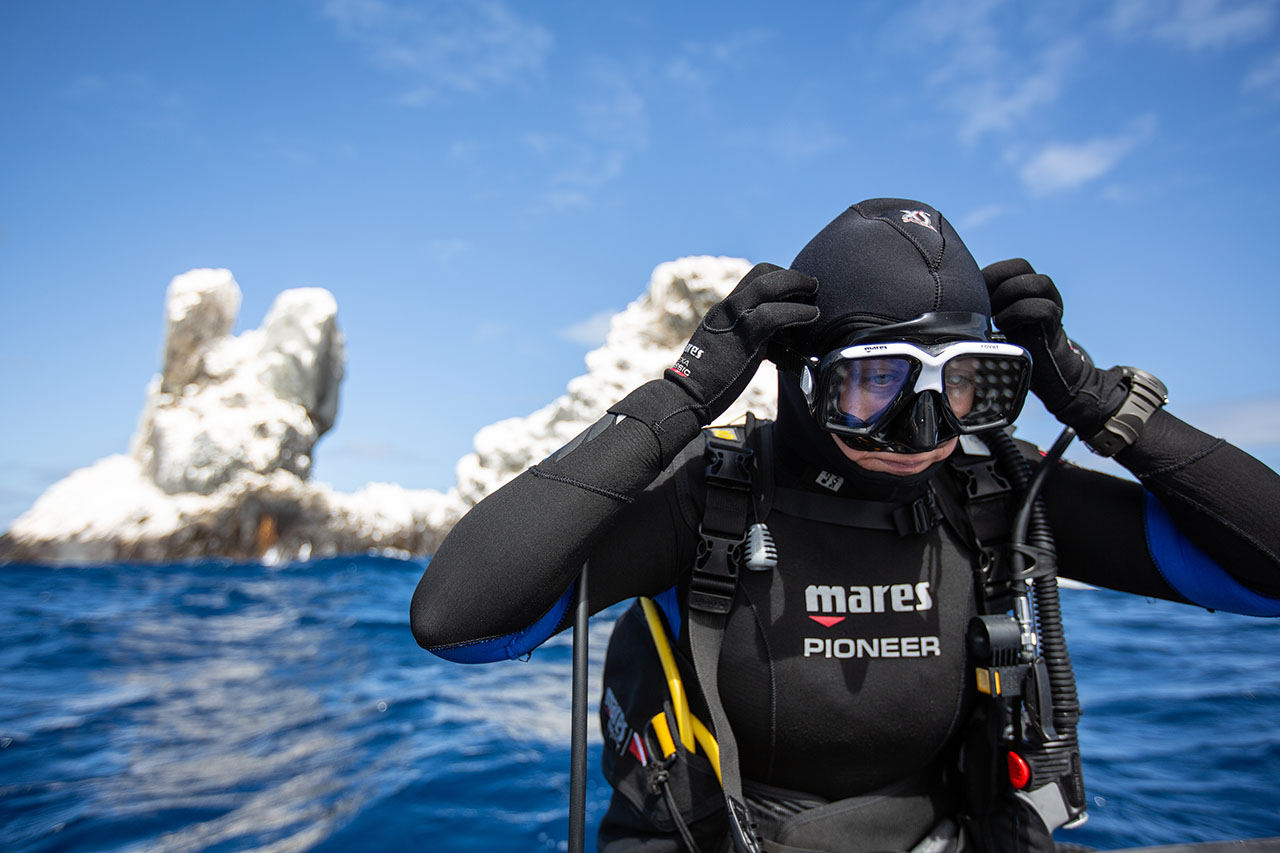
Let’s start with a weather overview. The Socorro Islands have a sub-tropical climate, which means warm days and cooler nights. The average water temperature ranges from 21°C (70°F) in winter to 28°C (84°F) in summer.
The islands are generally considered dry, with a mean annual precipitation of 600 mm (24 in) per year. Most of the rain comes between August and October, when the park is closed anyway. During the diving season, the weather is typically fine and dry.
For a monthly breakdown of average temperatures and general conditions, check out the chart below:
| Month | Avg. High Temp (Day) | Avg. Low Temp (Night) | Water Temperature | Notes |
| November | 25 °C / 77 °F | 19 °C / 66 °F | 24-27°C /75-80°F | Generally calm and sunny |
| December | 24 °C / 75 °F | 18 °C / 64 °F | 24-27°C /75-80°F | Slightly cooler; excellent visibility |
| January | 22 °C / 72 °F | 18 °C / 64 °F | 21-24°C /70-75°F | Cooler water temperatures |
| February | 23 °C / 74 °F | 18 °C / 64 °F | 21-23°C /70-74°F | Dry and breezy |
| March | 23 °C / 74 °F | 18 °C / 64 °F | 21-23°C /70-74°F | Consistently good visibility and weather |
| April | 23 °C / 74 °F | 18–19 °C / 64–66 °F | 23-27°C /74-80°F | Warmer seas; generally calm |
| May | 24 °C / 75 °F | 19 °C / 66 °F | 23-27°C /74-80°F | Calm seas; sunny and warm |
| June | 25 °C / 77 °F | 20 °C / 68 °F | 23-27°C /74-80°F | Light winds; very warm temperatures |
| July | 27 °C / 81 °F | 20 °C / 68 °F | 24-27°C / 75-80°F | Hot and humid; generally calm but increasing storm potential |
When Is the Best Time to Visit the Socorro Islands for Diving: Conditions, Visibility & Currents
From November through mid-July — widely considered the best time diving Socorro Islands — you can expect mostly clear blue water with visibility up to 30m (100ft). At times, visibility dips to 10–15m (33–50ft) during stronger swells or plankton blooms. The trade-off? Those nutrient-rich blooms often attract even more marine life, so while you may not see quite as far, you’ll likely see even more.
Converging ocean currents fuel Socorro’s extraordinary biodiversity, creating the perfect setting for big-animal encounters. They can also bring changing conditions — some days are calm and current-free, while others may see currents up to two knots. The good news? Our experienced guides know how to work with the conditions, helping you make the most of every single dive.
What are the dive sites like at the Socorro Islands?
The Socorro Islands are known for big animal diving, so the dive sites are centered around the cleaning stations and pinnacles that attract them. In terms of their topography, Socorro’s dive sites are defined by dramatic volcanic formations, towering pinnacles, and plunging drop-offs.
Highlights of the ‘Best Dive Sites in Socorro’:
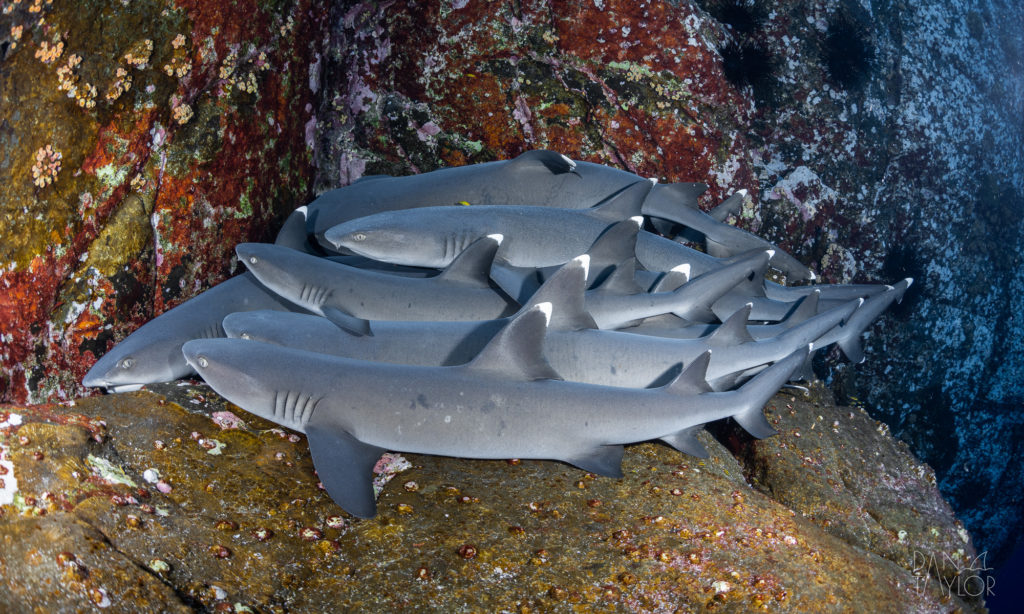
Roca Partida: The lone pinnacle is a magnet for pelagic species, including jacks, tunas, and sharks, and also hosts ‘cuddle puddles’ of resting whitetip sharks.
‘The Boiler’: A submerged pinnacle that earns its name from the churning or boiling effect created as the swell breaks just below the surface, a hotspot for manta rays.
“…After a while of enjoying the swirling fish with the jagged face of El Boiler behind us, we encountered a pod of dolphins and multiple species of sharks hunting a school of jacks. Wow!”
Luz (Guest), 14 June 2025
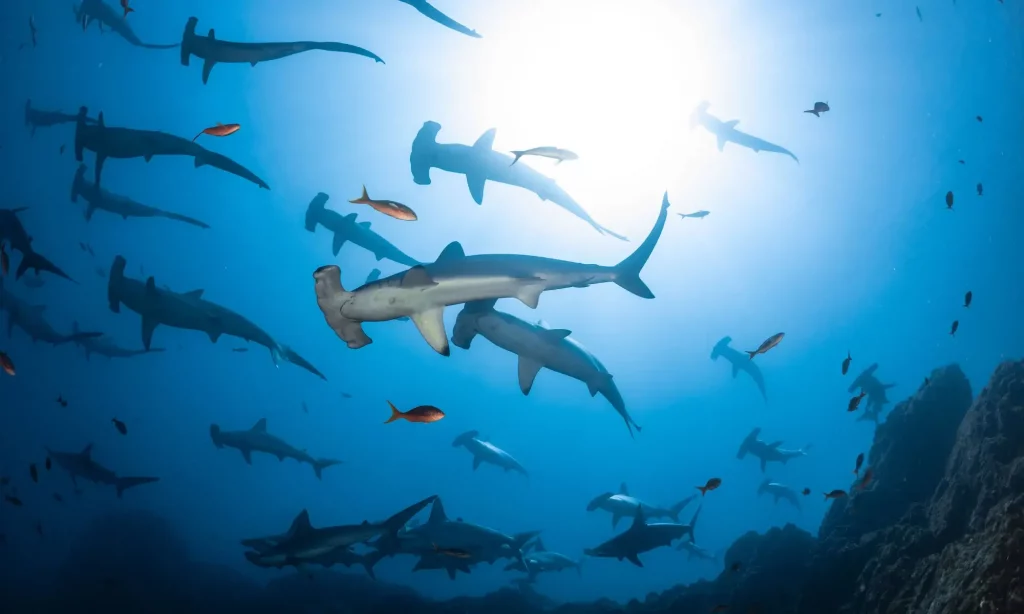
Cabo Pearce: Famous for strong currents, schooling hammerheads, and clarion angelfish busily cleaning the manta rays.
“Diving at Cabo Pearce is always an unforgettable experience… Every time I take divers here, the beauty of the spot leaves them speechless!”
Mario (Dive Guide), Feb 14, 2025
El Canyon (San Benedicto): One of the Socorro Islands’ best dive sites, featuring a deep chasm and many species of shark, known for schooling hammerheads.
Frequently Asked Questions
When is the best time for diving in the Socorro Islands?
From November to July is the best time to scuba dive at the Socorro Islands.
What can you see diving at the Socorro Islands?
Giant manta rays, dolphins, and up to 12 species of shark. Plus reef fish, swirling schools of fish, and fast-moving predators like wahoo and tuna.
What skills do you need for scuba diving in Socorro?
Socorro diving is accessible to confident, certified divers, but its remote location and changing conditions mean you should arrive prepared. Strong buoyancy control, comfort in mild to moderate currents, and confidence with your gear setup will help you get the most out of the experience.
Is scuba diving in the Socorro Islands ethical/ sustainable?
Yes. Scuba diving in the Socorro Islands is considered an ethical and sustainable activity because operators must follow Marine Park rules designed to safeguard Socorro’s wildlife and ecosystems.
By choosing a reputable and conservation-minded liveaboard operator, like Nautilus, you can help preserve the Socorro Islands for generations to come.
Do you need to be an Advanced Diver to dive at the Socorro Islands?
No, certified Open Water Divers can access and enjoy diving at the Socorro Islands. However, some dive sites can be challenging for beginner divers, and therefore, minimum dive requirements can vary by operator. To avoid disappointment, be sure to check before booking.
Why Choose Nautilus Liveaboards for a Socorro Scuba Diving Trip?
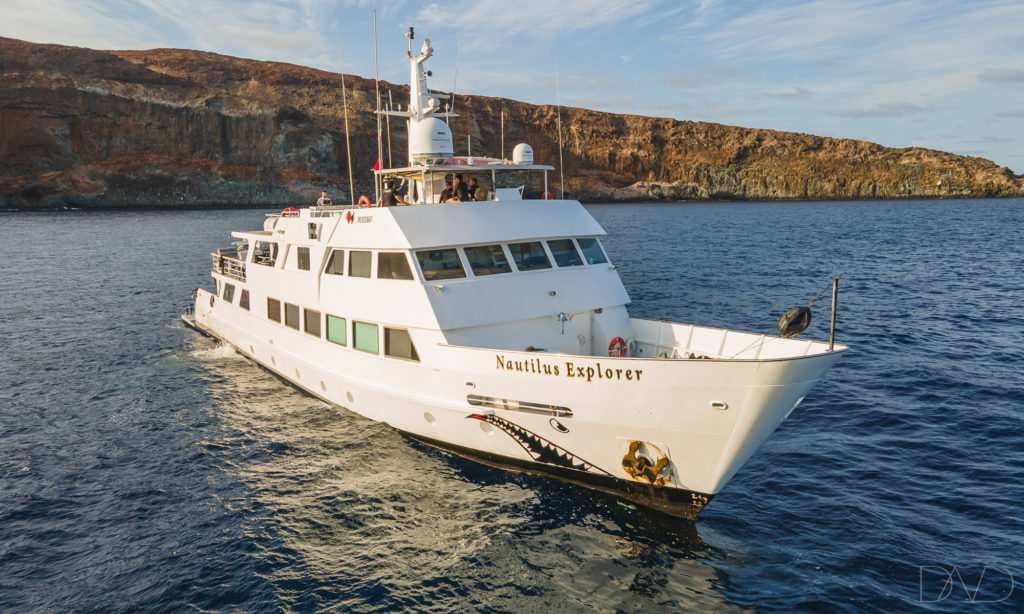
We have been exploring Socorro Islands waters since 1978 (long before they made their mark on the global dive map). In 2002, we began leading scuba diving expeditions here, combining our pioneering spirit with an unwavering focus on safety and guest experience.
Why not browse our exclusive liveaboard itineraries for the dive adventure of a lifetime?