



Divers planning a trip to Baja California, Mexico, often ask the same question: When is the best time to dive the Sea of Cortez?
The answer isn’t obvious because the marine life of the Sea of Cortez shifts dramatically with the seasons. From migrating whales in winter to vast schools of fish and rays during the warmer months. In short, the best time to dive the Sea of Cortez really depends on what you hope to see.
When is the Best Time to Dive the Sea of Cortez?
Understanding the Sea of Cortez diving seasons can help you choose the perfect time to visit. To help, here’s a practical seasonal wildlife guide to help you decide when to dive the Sea of Cortez.
Winter Diving in the Sea of Cortez (December–February)
Winter brings cooler water temperatures and some of the most spectacular marine megafauna in Baja. Water temperatures typically range from 18–21°C (64–70°F), and visibility can be excellent due to seasonal nutrient cycles.
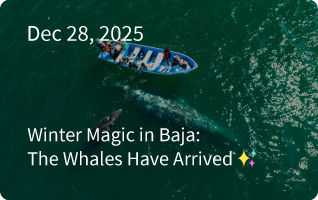
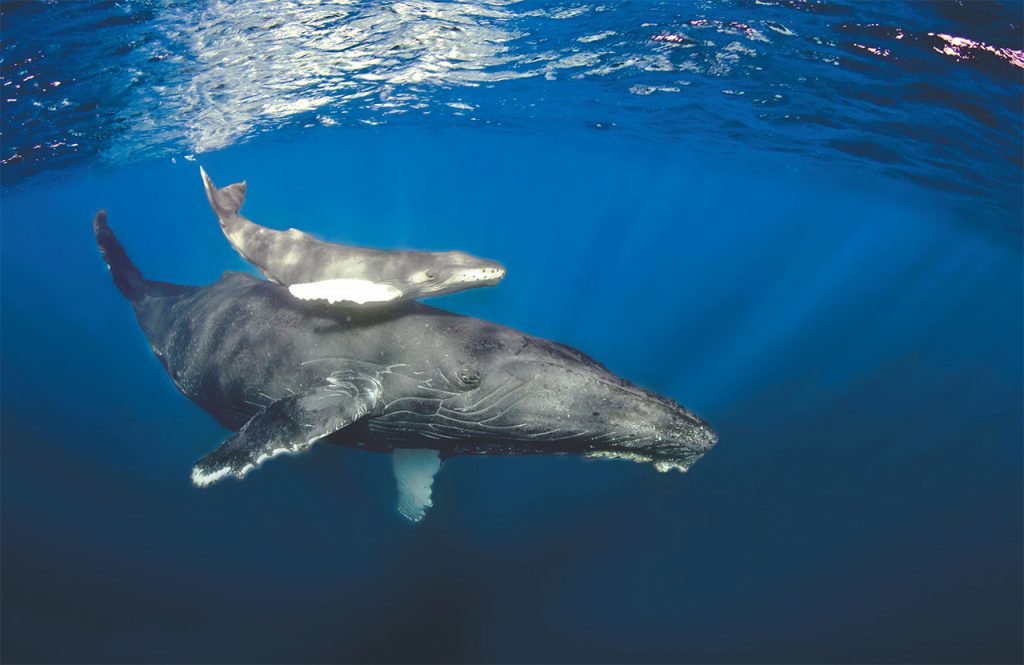
During this season, large whales migrate into the waters around Baja California. While spotting whales usually happens at the surface, they add an unforgettable dimension to winter expeditions.
Winter highlights include:
Although water temperatures are cooler, this period offers a unique and quieter diving season with incredible wildlife above and below the surface.
Spring Diving in the Sea of Cortez (March–May)
Spring marks a transitional period when marine activity begins to intensify throughout the region.
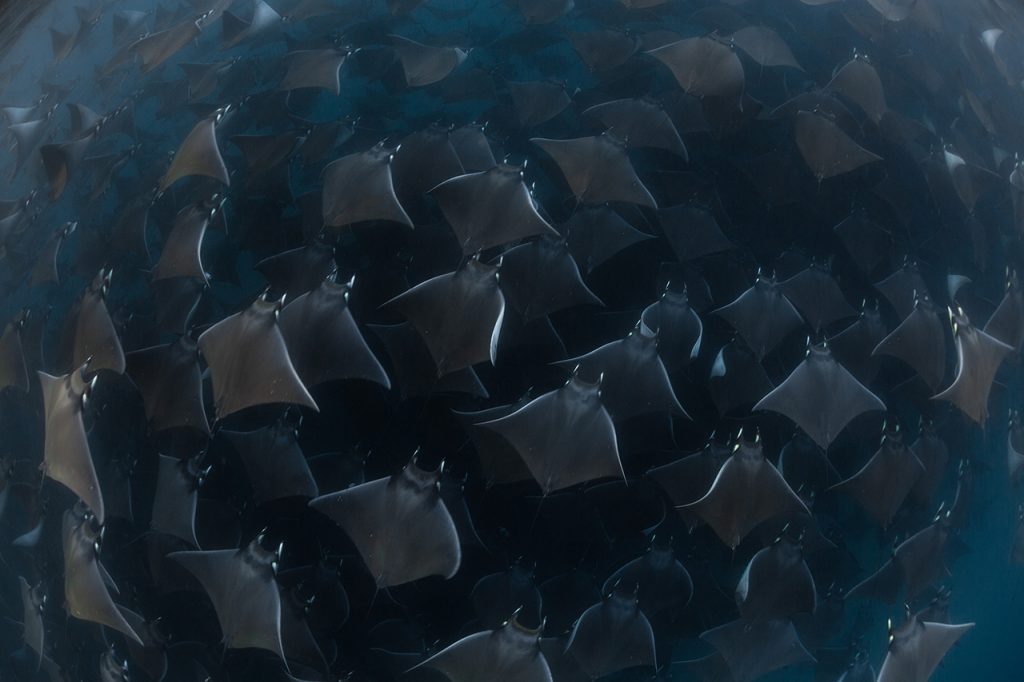
As temperatures slowly warm, fish populations become increasingly active, and many reefs burst with life. This is a wonderful time to explore the underwater pinnacles and seamounts scattered throughout the Sea of Cortez.
In spring, divers can expect:
Spring is often considered an excellent shoulder season for diving the Sea of Cortez, offering a balance of comfortable conditions and lively marine ecosystems.
Summer Diving in the Sea of Cortez (June–August)
For many divers, summer represents the beginning of the most dynamic part of the Sea of Cortez diving season.
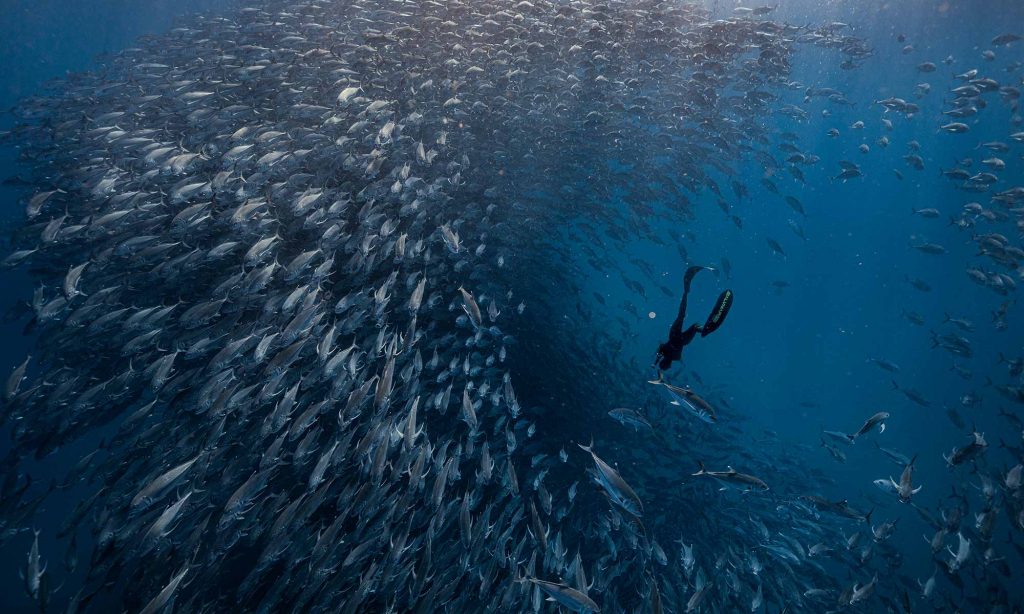
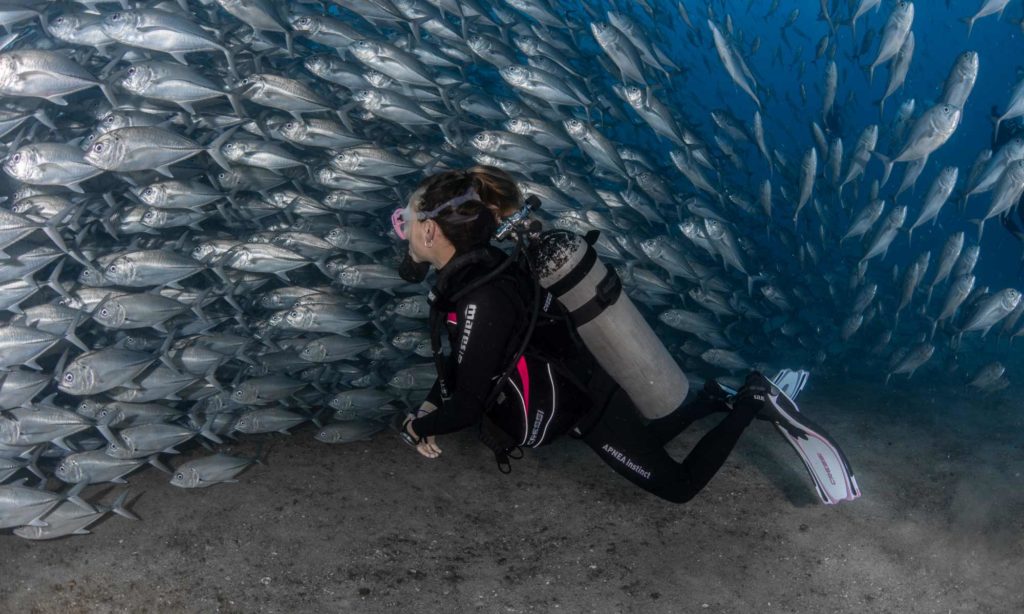
Water temperatures climb to 26–30°C (79–86°F), creating ideal conditions for long, comfortable dives. With warmer water comes an explosion of marine activity in the open ocean.
Summer is when divers may encounter:
Summer diving often features dramatic underwater scenes as predators move through dense schools of fish in the blue water.
Autumn Diving in the Sea of Cortez (September–November)
Saving the best until last… Many experienced divers consider autumn the best time to dive in the Sea of Cortez, thanks to its excellent combination of warm water, clear visibility, and peak biodiversity.
Autumn highlights include:
For divers seeking action-packed dives and rich marine life, autumn is often one of the most rewarding times to explore the Sea of Cortez.
When to Dive the Sea of Cortez for the Best Wildlife Encounters
What makes the Sea of Cortez diving season so fascinating is how dramatically marine life shifts throughout the year. As a result, there is no single “perfect” month to dive—each season offers its own unique wildlife highlights.
Therefore, the best time to dive the Sea of Cortez often depends on the marine life you most hope to encounter. Here are some of the incredible animals that make a Sea of Cortez diving trip so special.
Great Whales of the Sea of Cortez
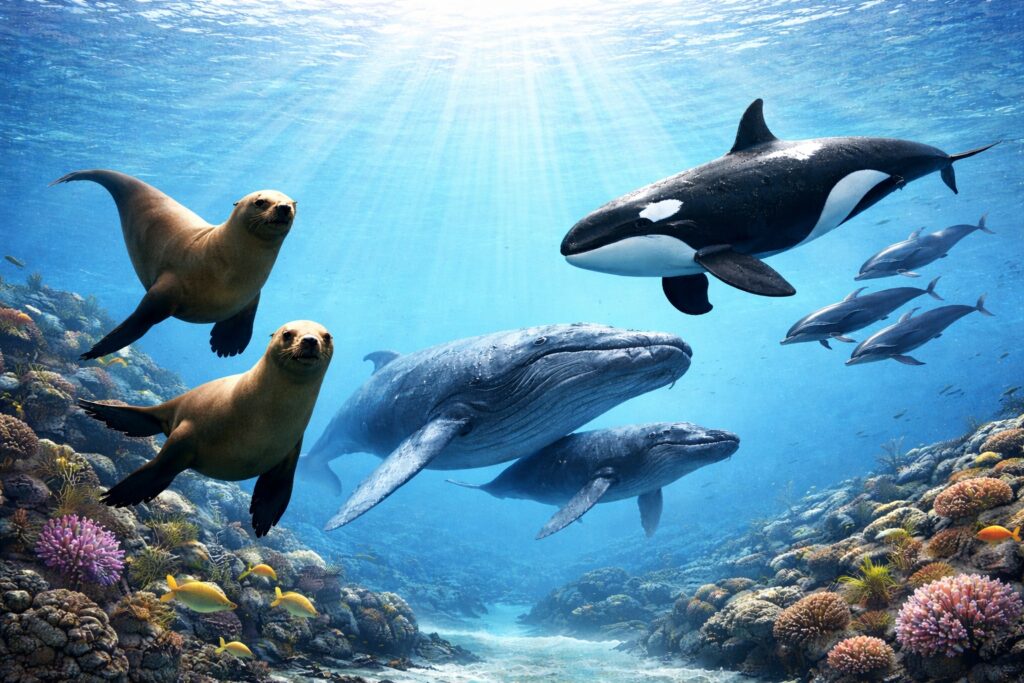
Several species of large whales migrate through Baja waters each year, making the Sea of Cortez one of the best places in North America to witness these ocean giants.
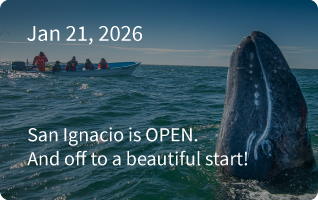
Depending on the time of year, visitors may encounter blue whales, humpbacks, fin whales, pilot whales, and sperm whales. Plus, the occasional gray whale, although gray whales in Baja are seen more in the Pacific lagoons, such as San Ignacio Lagoon.
While most whale encounters occur on the surface, hearing whale songs underwater or spotting a giant silhouette in the distance can be an unforgettable moment for divers.
These seasonal migrations are a powerful reminder of the scale and productivity of the Sea of Cortez ecosystem. While Baja California whale watching tours often focus on these ocean giants, scuba divers are drawn here for the incredible variety of marine life that can be encountered underwater.
Peak whale watching season: January to April
Whale Sharks
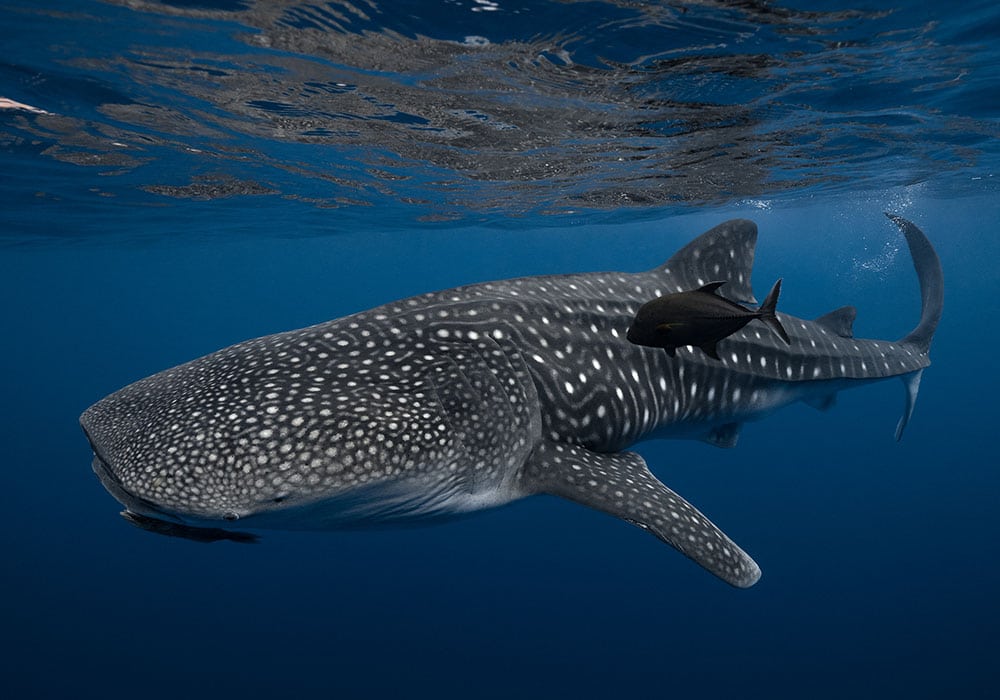
The whale shark, the largest fish in the ocean, is one of the most sought-after wildlife encounters in Baja.
These gentle giants visit parts of the Sea of Cortez to feed on plankton-rich waters. Although interactions typically happen while snorkeling rather than scuba diving, encountering a whale shark during a Sea of Cortez expedition is an unforgettable highlight.
Their slow, graceful movements and enormous size make them one of the most iconic animals in the region.
Peak whale shark season: June to October
Orcas and Ocean Predators
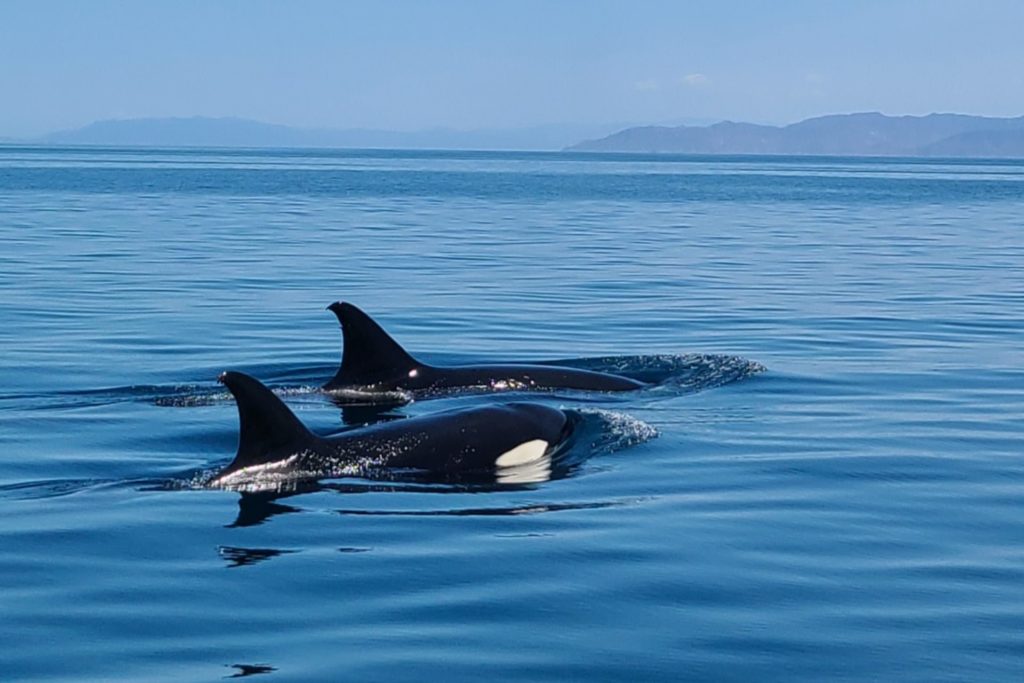
Occasionally, while exploring the Sea of Cortez, you may encounter one of the ocean’s most powerful predators: orcas, also known as killer whales.
These highly intelligent marine mammals travel in family groups and are sometimes seen hunting fish, rays, or marine mammals in Baja waters. While sightings are unpredictable, encountering orcas on a boat in the wild is one of the most thrilling wildlife moments possible during a Sea of Cortez expedition.
Other predators, such as sharks and large tuna, also patrol the region, especially around offshore seamounts and areas where baitfish gather.
Playful Sea Lions
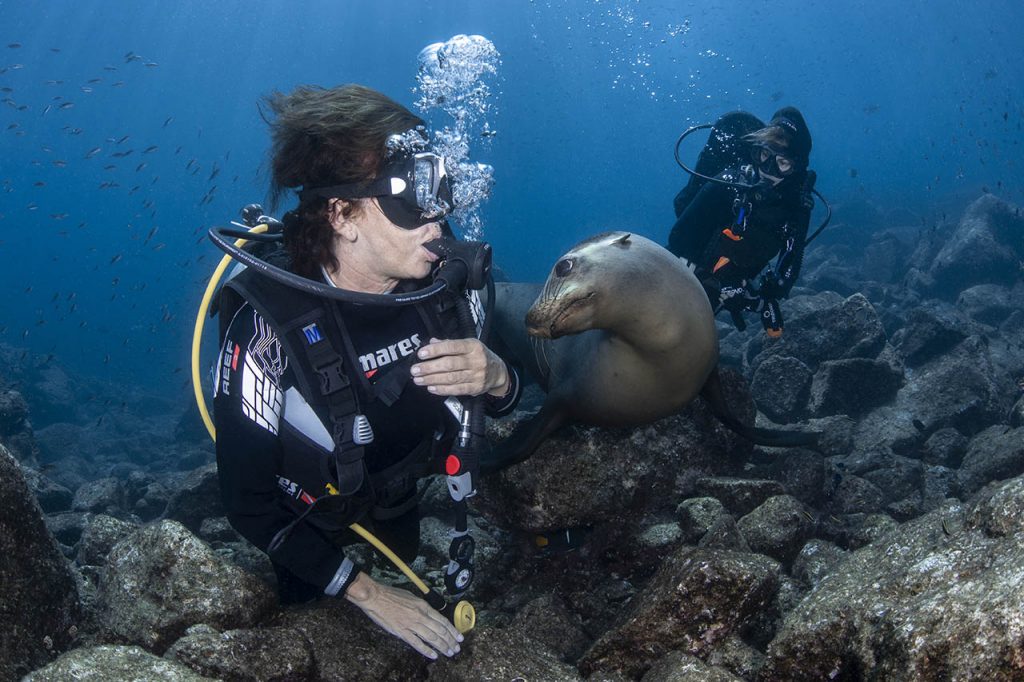
Few wildlife encounters match the joy of diving with California sea lions, one of the most charismatic residents of the Sea of Cortez. And, the best part? Baja California’s sea lions are permanent residents, meaning you can see them in their natural habitat here, year-round.
At colonies around rocky islands such as Los Islotes and UNESCO Isla Espíritu Santo, sea lions frequently approach divers and snorkelers out of curiosity. Young sea lions in particular are known for their playful behavior—twisting, spinning, and darting around divers in the water.
For many visitors, these energetic animals become the highlight of their Sea of Cortez diving experience.
Peak Season for pup interactions: September to May
Breeding Season (when some colonies are closed to tourists): June to August
Dolphins and Migratory Seabirds
The wildlife spectacle of the Sea of Cortez isn’t limited to what happens underwater.
Pods of dolphins are frequently seen leaping and spinning through the air and surfing the boat’s wake, while the skies above are often filled with migratory seabirds. Species include gulls, frigatebirds, pelicans, and boobies. These birds follow schools of fish and surface-feeding predators, offering clues about the rich feeding activity happening below the waves.
Planning Your Sea of Cortez Diving Adventure
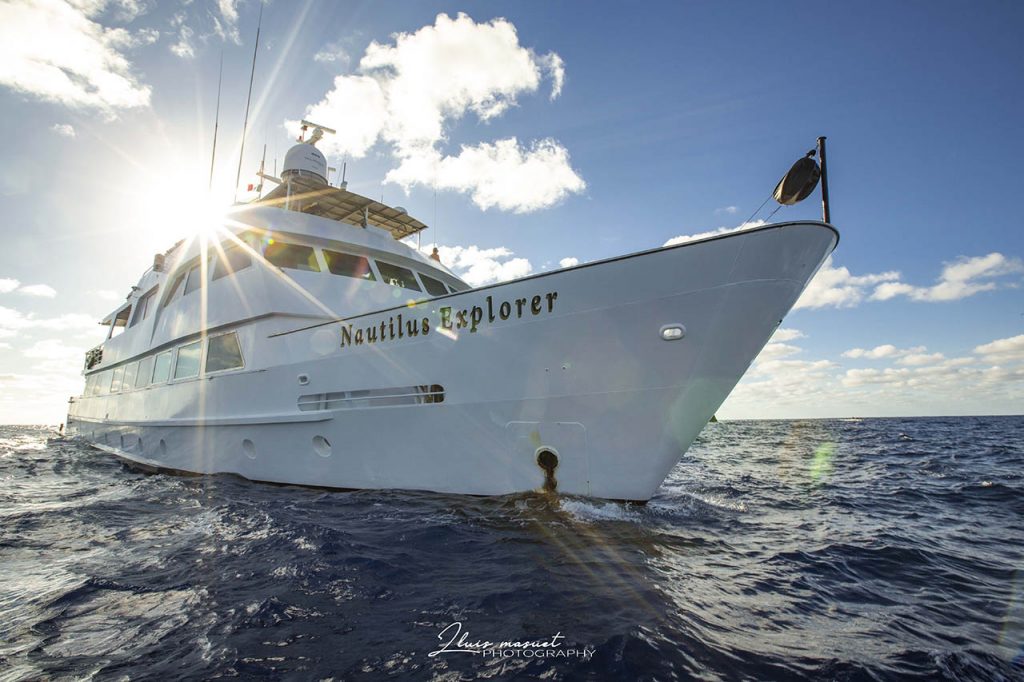
If this guide has inspired your next dive adventure, take a look at our other blogs for more insights into Baja’s incredible marine life. You can also explore our Nautilus Diving Adventures in the Sea of Cortez and beyond to find your ideal trip.