



To understand if killer whales are dolphins, it helps to zoom out for a moment and look at where they sit in the marine mammal family tree. Join us as we explore questions such as ‘how are killer whales related to dolphins?’ ‘Why do we call orcas ‘Killer Whales’?’ ‘How big are killer whales?’ And other fascinating details about these apex predators.
Table of Contents:
🔹 Why Are Orcas Classified as Dolphins?
🔹 Why Are Orcas Named “Killer Whales”?
🔹 Orcas in the Sea of Cortez: Guest Testimony
🔹 Frequently Asked Questions (FAQs)
🔹 Sources & Related Reading
Dolphins in Disguise: Are Killer Whales Dolphins?
If you’ve ever wondered are killer whales dolphins, the answer may surprise you.
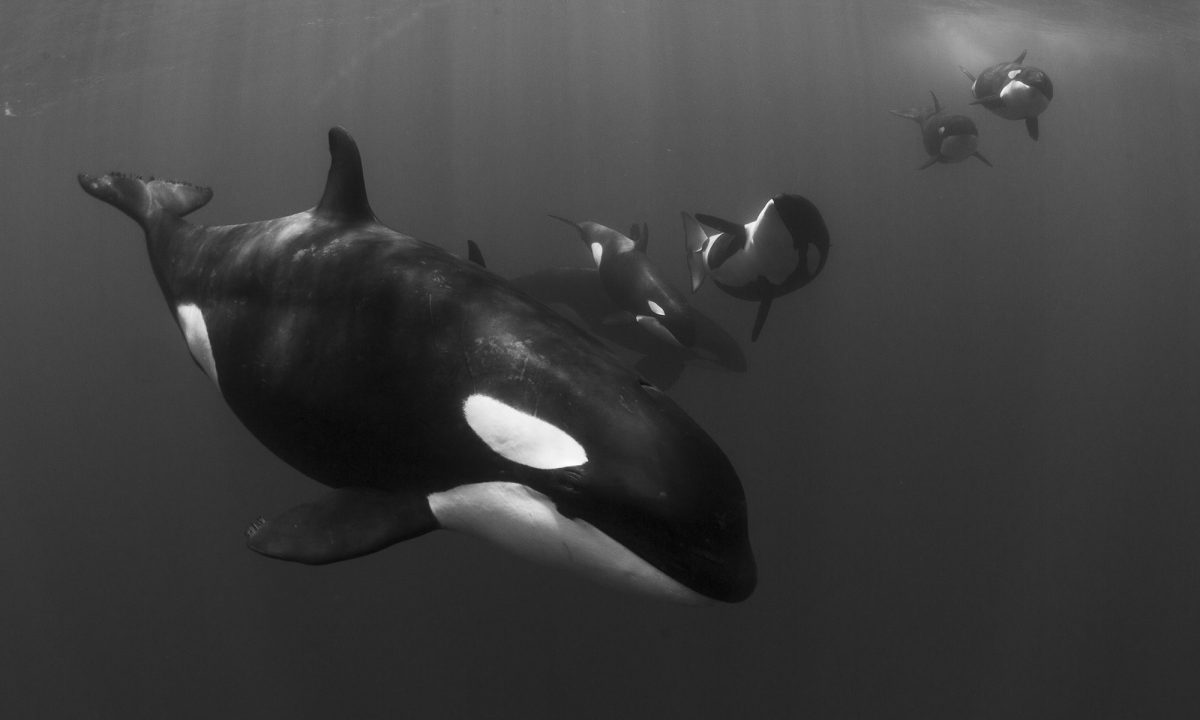
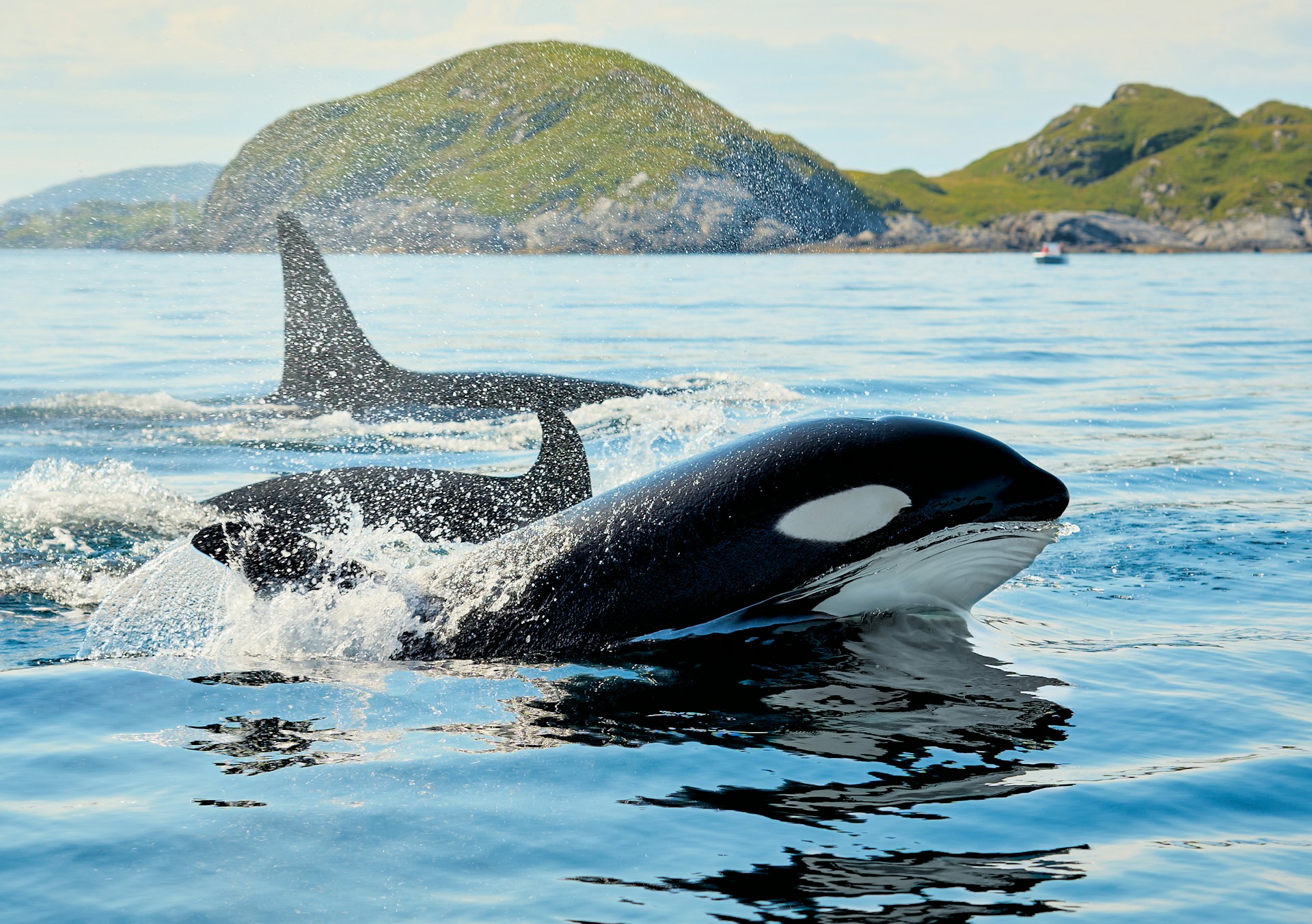
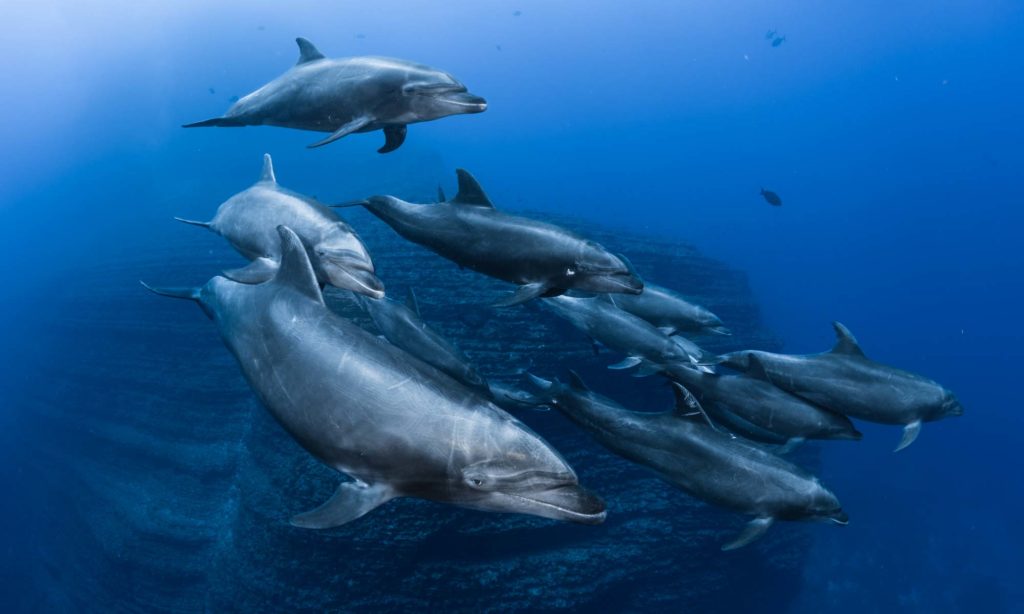
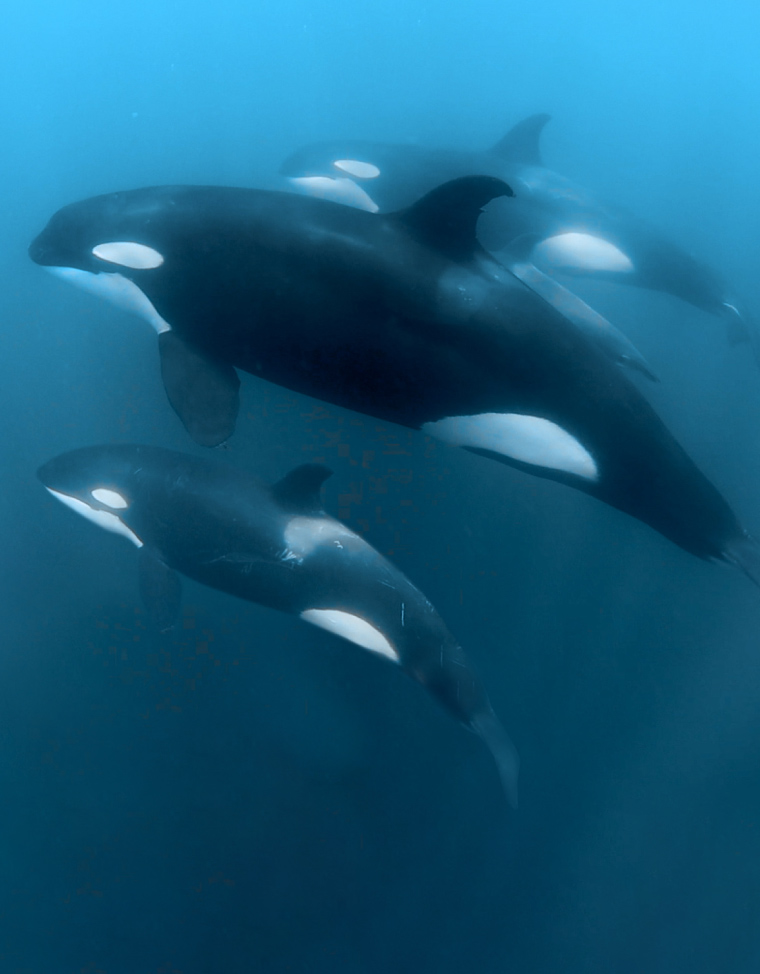
Orcas, despite their name, aren’t true whales at all — they’re the largest members of the Delphinidae family: the oceanic dolphins.
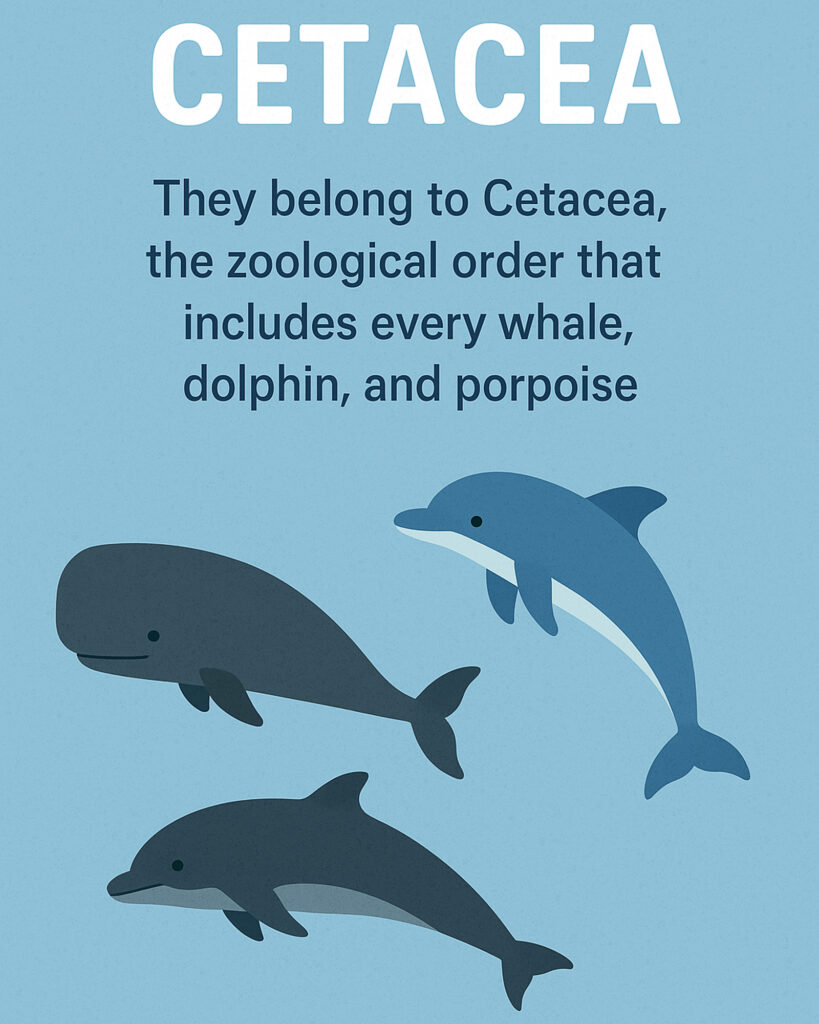
They belong to Cetacea, the zoological order that includes whales, dolphins, and porpoises. Animals in this group share the same core features: sleek, hairless bodies, no hind limbs, a horizontal tail fin, and a blowhole on top of the head. Orcas tick every one of these boxes and fit squarely into the dolphin side of the marine mammal family.
Why Are Orcas Classified as Dolphins?
From a scientific perspective, killer whales, known as Orcinus orca, are grouped with dolphins because they share key characteristics: conical teeth, advanced echolocation abilities, highly social pod structures, and complex cooperative hunting strategies. Their intelligence, communication skills, and family dynamics align far more closely with dolphins than with baleen whales — the animals most people picture when they hear the word “whale.”
In short, they may be called killer “whales,” but biologically, orcas are very much dolphins — just supersized, super-smart, apex-predator versions. Thus answering the common question: are killer whales dolphins?
Why Are Orcas Named “Killer Whales”?
By now, you might be wondering about their name because killer whale doesn’t make much sense if they are in fact not true whales… For sure, a question we often hear on our orca watching tours is, ‘Why are orcas called ‘killer whales’?’ In truth, the name goes back centuries. Early sailors reportedly observed orcas hunting larger whale species and dubbed them “whale killers.” Over time, the phrase flipped to “killer whales,” and the name stuck. While dramatic, the name isn’t wrong—these apex predators can take down almost anything in the ocean, from fish and squid to seals and large whales. But in terms of taxonomy, it’s simply misleading.
Learn about what orcas eat and why they play with their food, with insights from one of our in-house naturalists: ‘What We Know About Orcas (Killer Whales) in the Sea of Cortez‘.
What About Orcas’ Relationship to Whales?
Even though orcas are dolphins, they’re still part of the larger order Cetacea, which means they’re closely related to all whales—just not in the way people usually imagine.
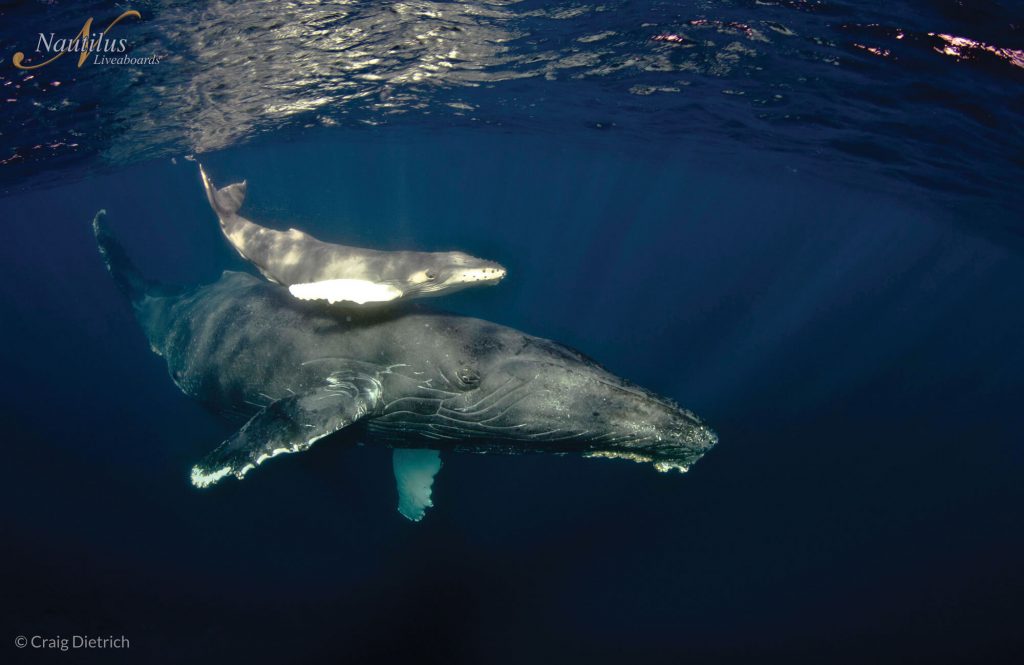
Think of Cetacea as one big family, with two major branches: toothed whales (which include dolphins, porpoises, sperm whales, and orcas) and baleen whales (like humpbacks and blue whales).
Orcas sit on the toothed-whale branch alongside their dolphin cousins.
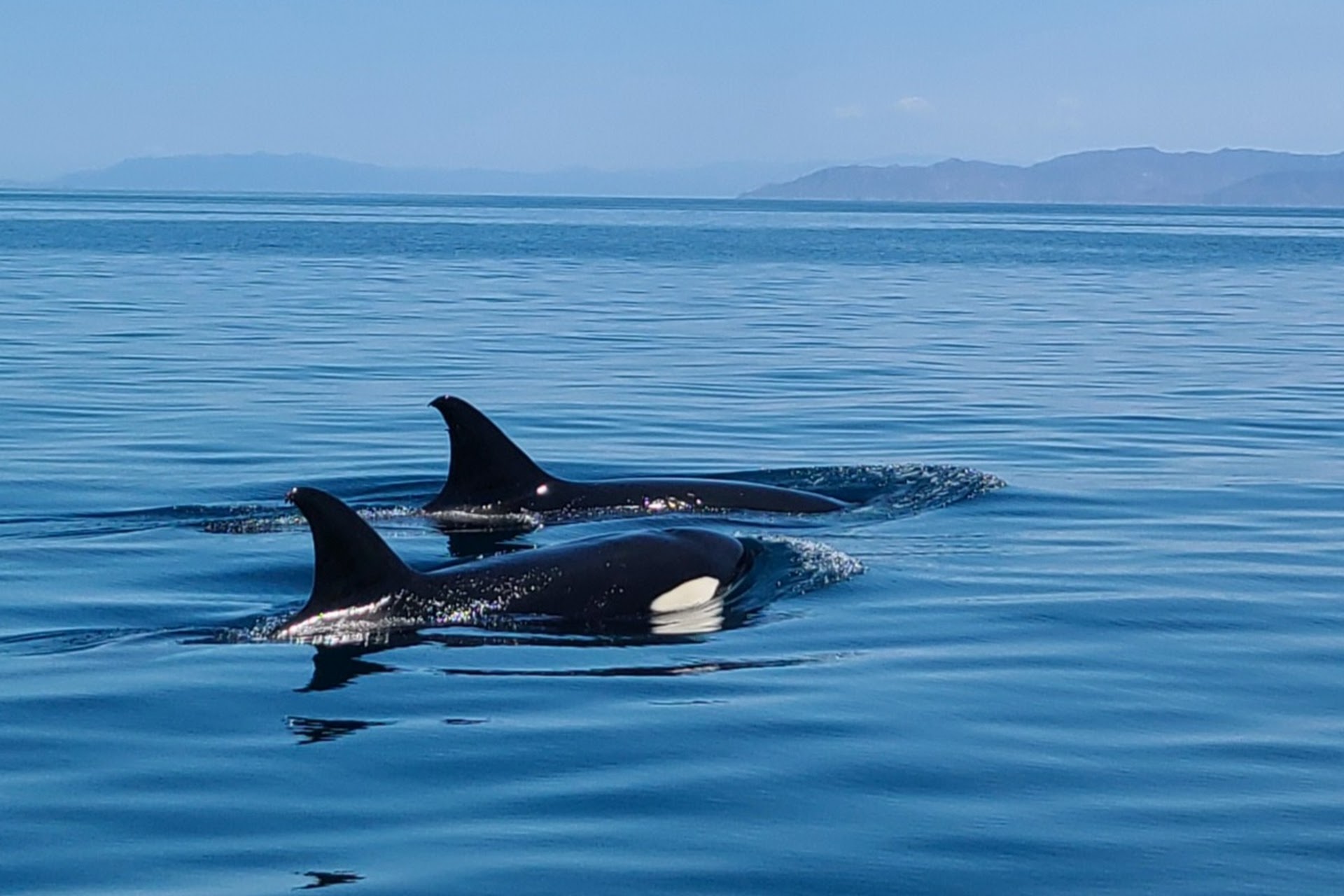
Orcas in the Sea of Cortez: Guest Testimony
Once under the surface, gazing upon this beautiful orca, it felt surreal, almost dreamlike… I could live in this moment forever.
From Jose, Guest onboard Nautilus UnderSea, July 23, 2025
….the pod came together, and we marveled at the fact that we were swimming with a pod of eight orcas. Nothing could have prepared us for this moment. And to share its intimacy with our mates is one I’m sure we will treasure dearly.”
Ready to Jump in with the Orcas?
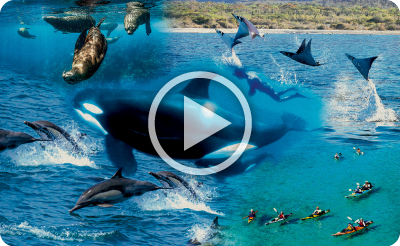
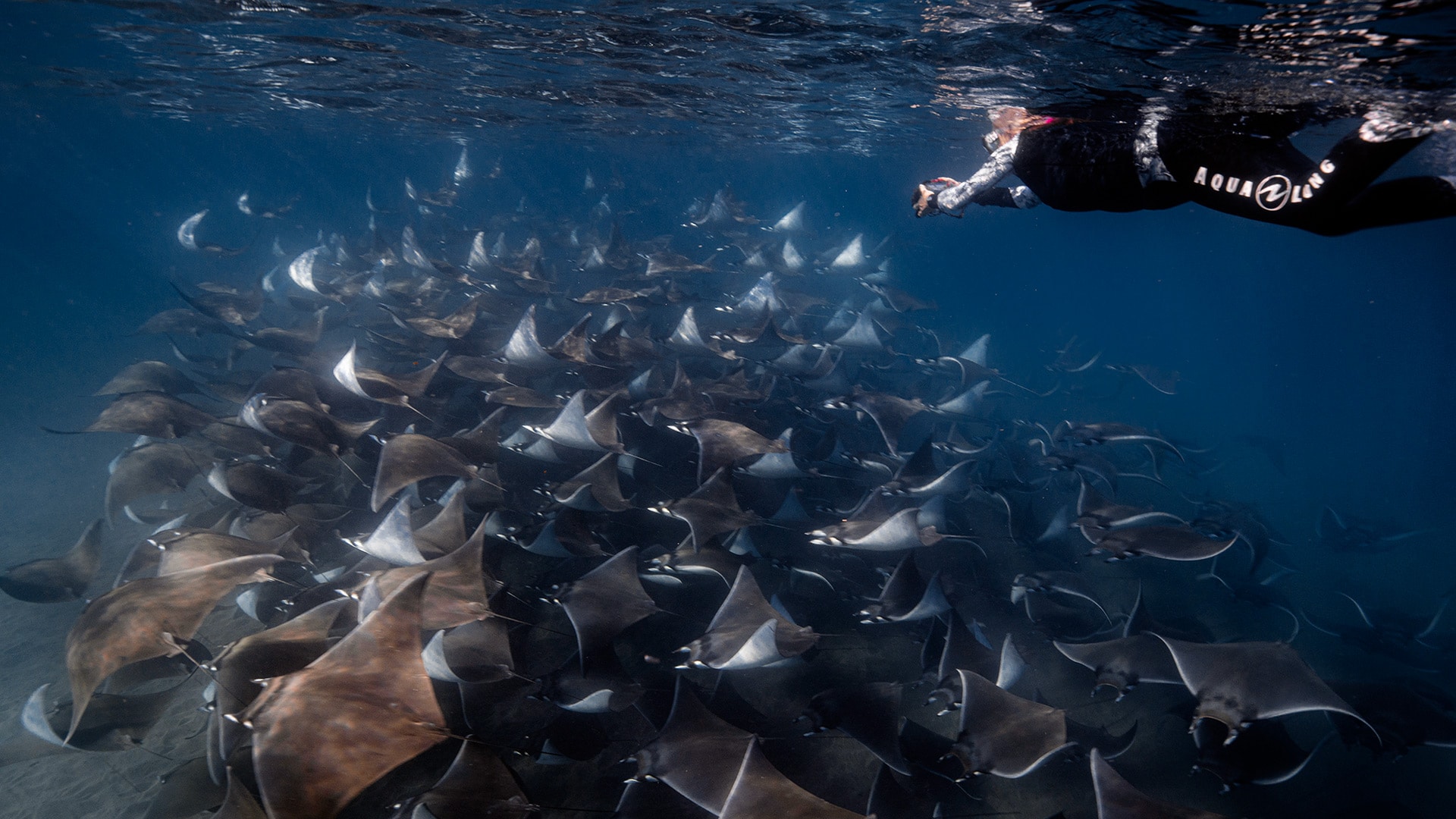
Are you ready to meet orcas where they belong — wild, curious, and free? From April through August, Nautilus Liveaboards offers 5-, 7-, or 10-night Orca Expeditions into the Sea of Cortez. We scout the seas with observation plane support, guiding you to the best snorkeling areas, and orca “hotspots”. A rare chance to snorkel or freedive among pods of orcas, mobula rays, dolphins, sea lions, and more.
Our team takes care of the logistics — from transfers, food, and accommodation to equipment and guides. Just pack your sense of wonder and enjoy unforgettable, ethical wildlife encounters.
Explore our itineraries — your Sea of Cortez orca adventure awaits
FAQs
1. Are killer whales dolphins?
Yes. Orcas belong to the family Delphinidae, making them the largest species of dolphin.
2. Why are they called “killer whales” if they’re dolphins?
Early sailors saw them hunting whales and called them “whale killers.” The name changed over time, but the taxonomy didn’t.
3. Are orcas more closely related to dolphins or whales?
Dolphins. Orcas are toothed whales, which include all dolphins, but they sit within the dolphin family.
4. How big are killer whales?
Adult male orcas can reach up to 8–10 meters in length and weigh up to 6–10 tonnes, making them the largest dolphins on Earth.
5. What do orcas eat? Do all killer whales hunt the same prey?
Different populations—called ecotypes—have unique diets and hunting strategies. Killer whales are known to eat everything from fish and squid to seals and even large whales.
6. Will I only see orcas on an ocean safari from Baja California Sur?
No — that’s part of the magic. While orcas are a highlight, ocean safaris in Baja California Sur often include encounters with mobula rays, dolphins, sea lions, turtles, whales, and a huge variety of marine life. Orcas are wild and free, but the region’s biodiversity means you’re almost guaranteed an exciting mix of sightings.
Sources & Related Reading:
Britannica: ‘Why Are Orcas Called Killer Whales?’
Marine Mammal Centre: ‘Whales, Dolphins and Porpoises’
Nautilus Adventures: ‘What We Know About Orcas (Killer Whales) in the Sea of Cortez‘