



If you’ve ever wondered what the Sea of Cortez looks like on a map — or why divers gush about it — you’re in good company. Jacques Cousteau famously dubbed this stretch of water the Aquarium of the World. And once you’ve seen a Sea of Cortez map, it’s easy to imagine why.
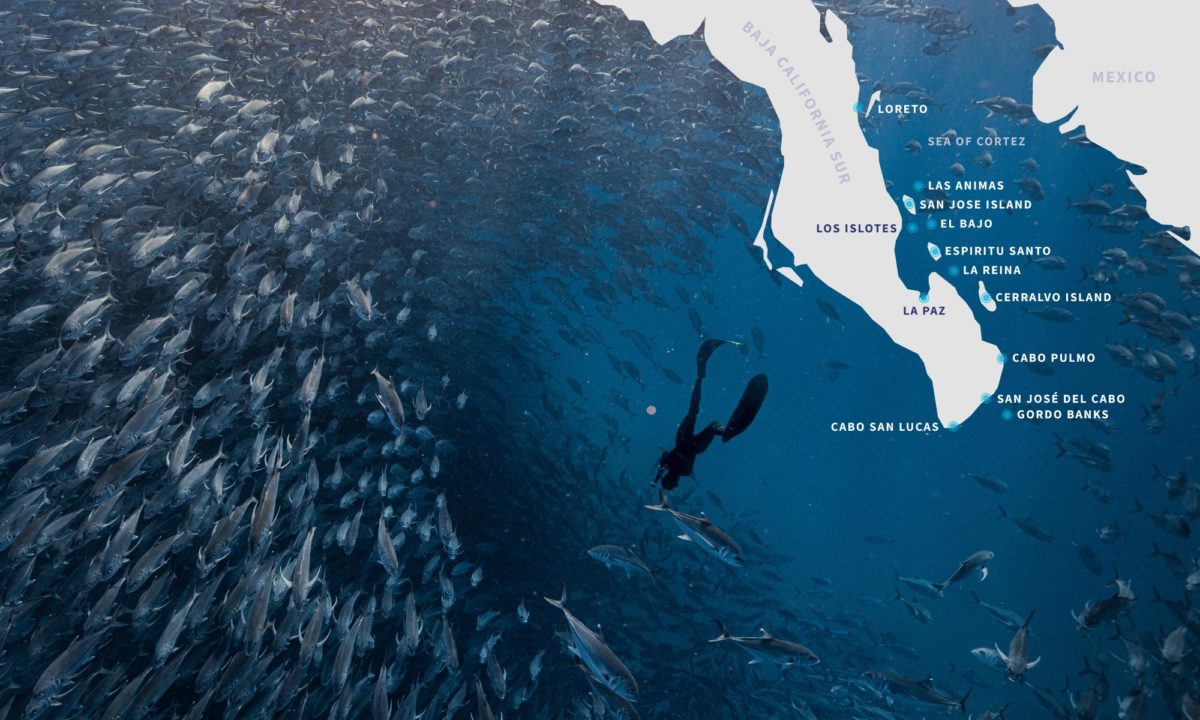
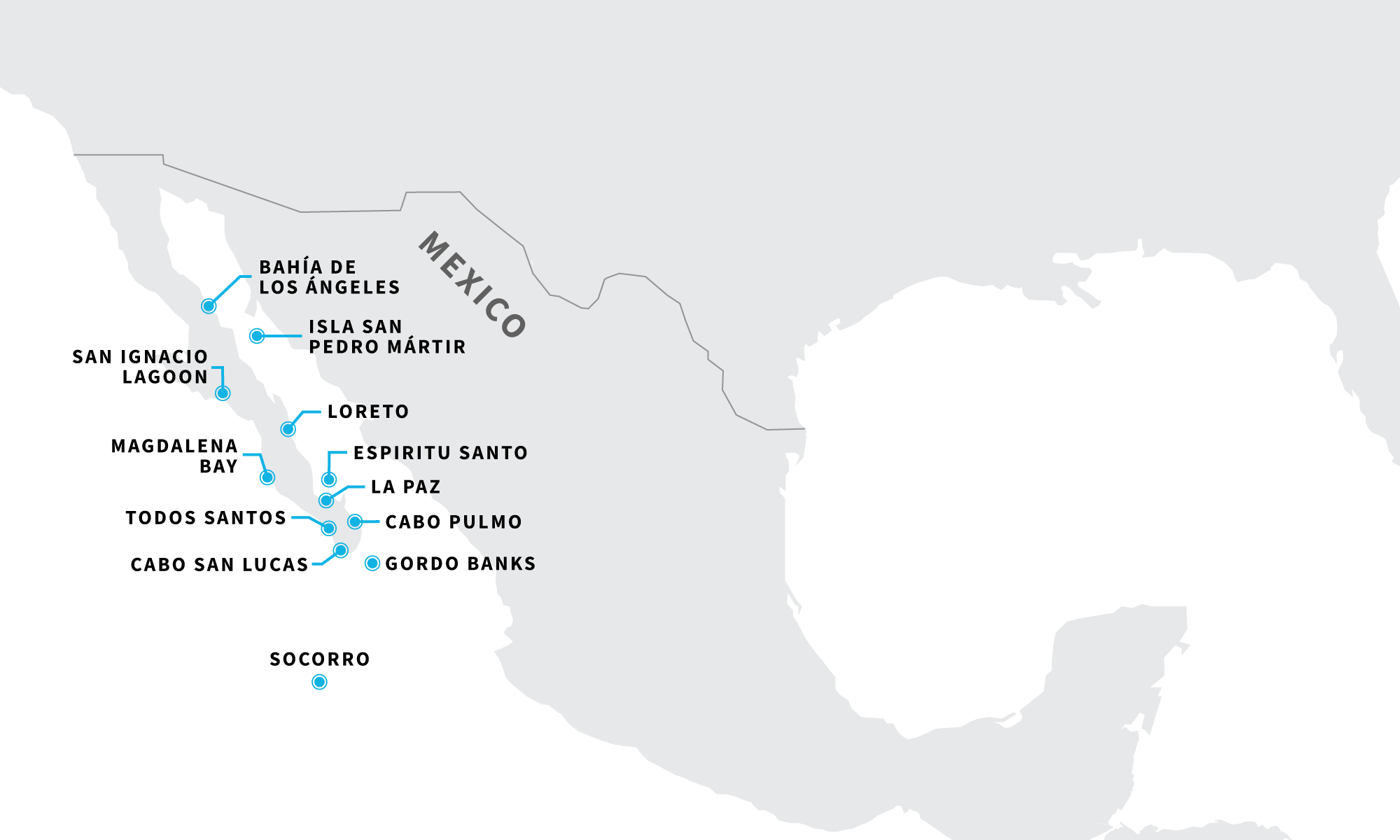
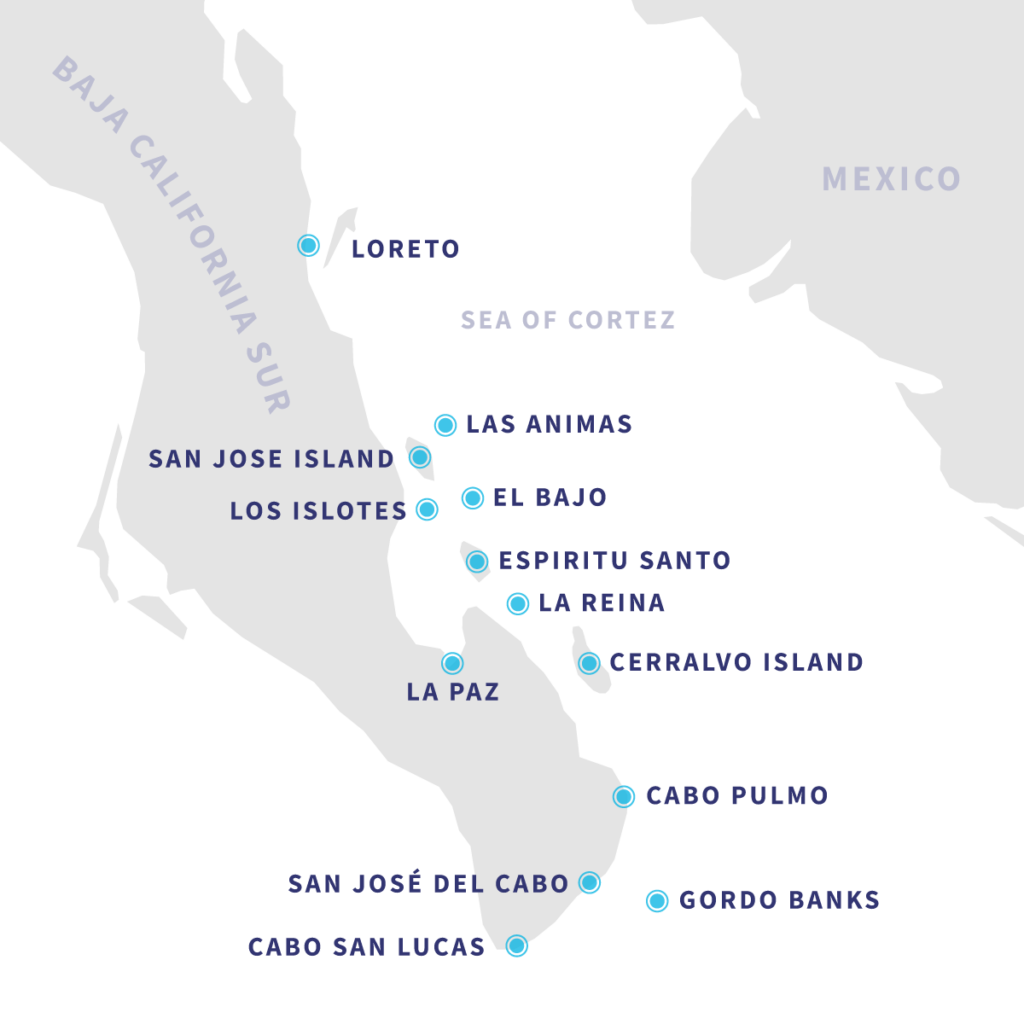
The Sea of Cortez isn’t just a place — but a mosaic of dramatic geography and spectacular wildlife. It’s located on Mexico’s west coast between the Baja California Peninsula and mainland Mexico. Take a look at a Sea of Cortez map, and you’ll see it stretches north from Cabo San Lucas up to the Gulf’s upper reaches. It’s a relatively narrow seaway with an area of 62,000 square miles (160,000 square km). On land, desert mountains plunge into cobalt blue water, where islands are scattered like stepping stones. And underwater, coral reefs, rocky seamounts, and deep channels nurture some of the most abundant marine life on Earth.
Reading Your Sea of Cortez Map
Open up a map of the Sea of Cortez, and you’ll see why orientation matters. To the west lies the Baja Peninsula, to the east, the Mexican mainland. The gulf itself is divided into northern, central, and southern regions — each with its own personality. The south is warm and calm, perfect for long dives and frequent encounters with schooling fish. Further north, currents and depth bring larger pelagics like hammerheads and whale sharks.
For divers, a Sea of Cortez map isn’t just geography — it’s a scuba itinerary in waiting. Nautilus Adventures’ routes explore this marine playground, weaving through pinnacles, islands, and reefs that are otherwise unreachable from land. Our liveaboards depart from La Paz or Cabo San Lucas and journey day after day into productive water that most visitors never see.
A Landscape Carved by Time
The Sea of Cortez wasn’t always here. Millions of years ago, tectonic forces split the Baja Peninsula from the mainland, allowing the Pacific Ocean to rush in and form this long, narrow sea. That dramatic geological history has created an extraordinary variety of seascapes. Everything from quiet, shallow bays and deep basins to rocky pinnacles and steep underwater walls.
This wide range of habitats is key to the region’s remarkable biodiversity. In fact, UNESCO describes the Gulf of California (Sea of Cortez) as “an area of global marine conservation significance.” As a result, many of the islands and protected areas marked on a Sea of Cortez map are recognised as World Heritage Sites. For nature lovers and ocean enthusiasts, a Sea of Cortez map is almost alive with possibilities.
National Marine Parks in the Sea of Cortez
As we’ve discovered, the Sea of Cortez boasts an astonishingly diverse marine ecosystem, a result of its ancient formation and nutrient-rich waters. Thankfully, nature continues to thrive today, protected by multiple marine parks, many of which are UNESCO World Heritage sites. Examples include: Cabo Pulmo National Park, Loreto Bay National Park, and the San Pedro Mártir Island Biosphere Reserve, to name just a few.
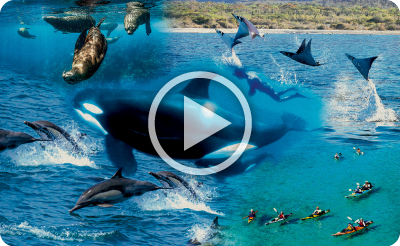
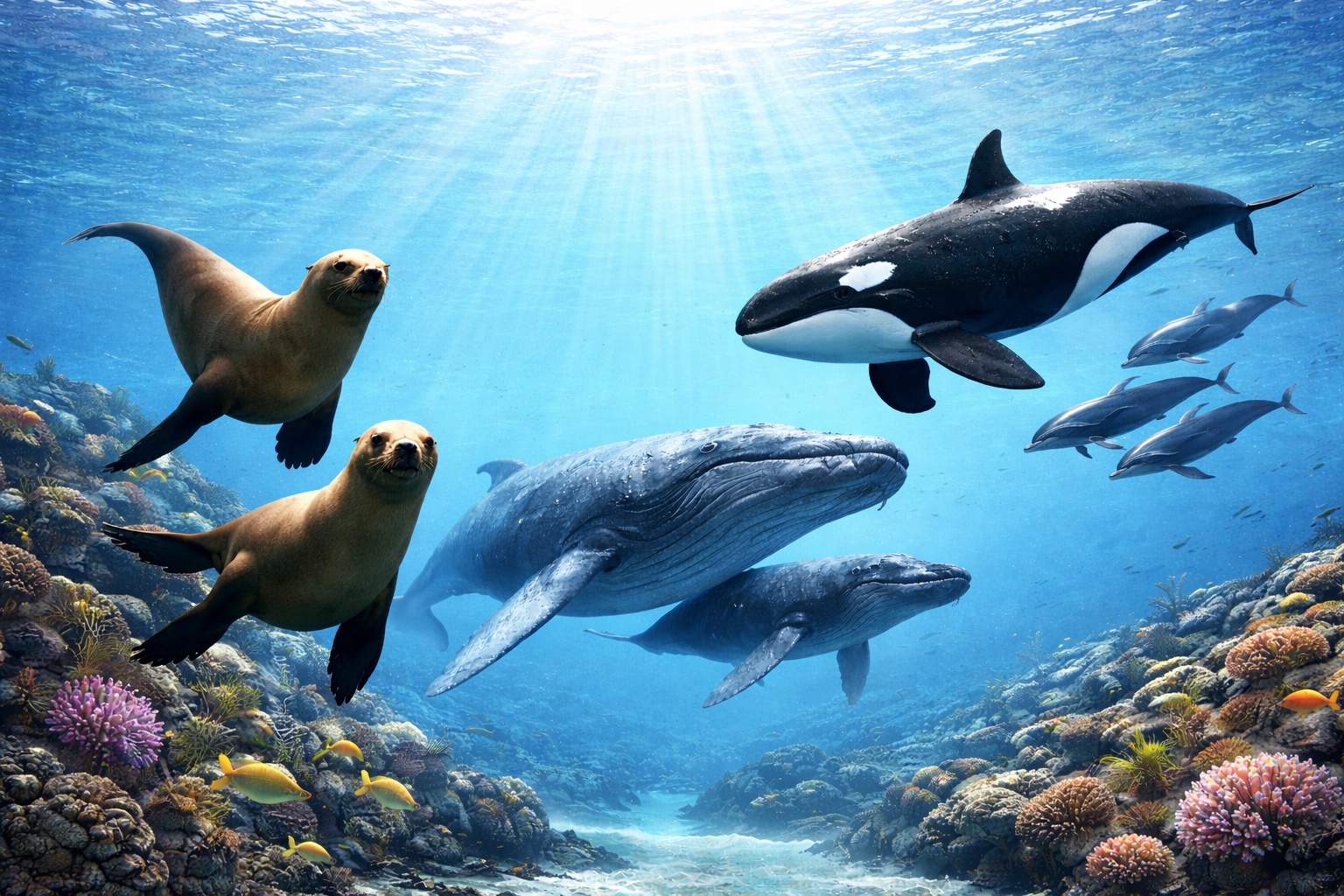
In fact, the Gulf of California is home to dozens of species of whales, dolphins, and sea lions. You can also find hundreds of fish species, some of which are endemic (that means they’re totally unique to the area!)
Wildlife Hotspots for your Sea of Cortez Map
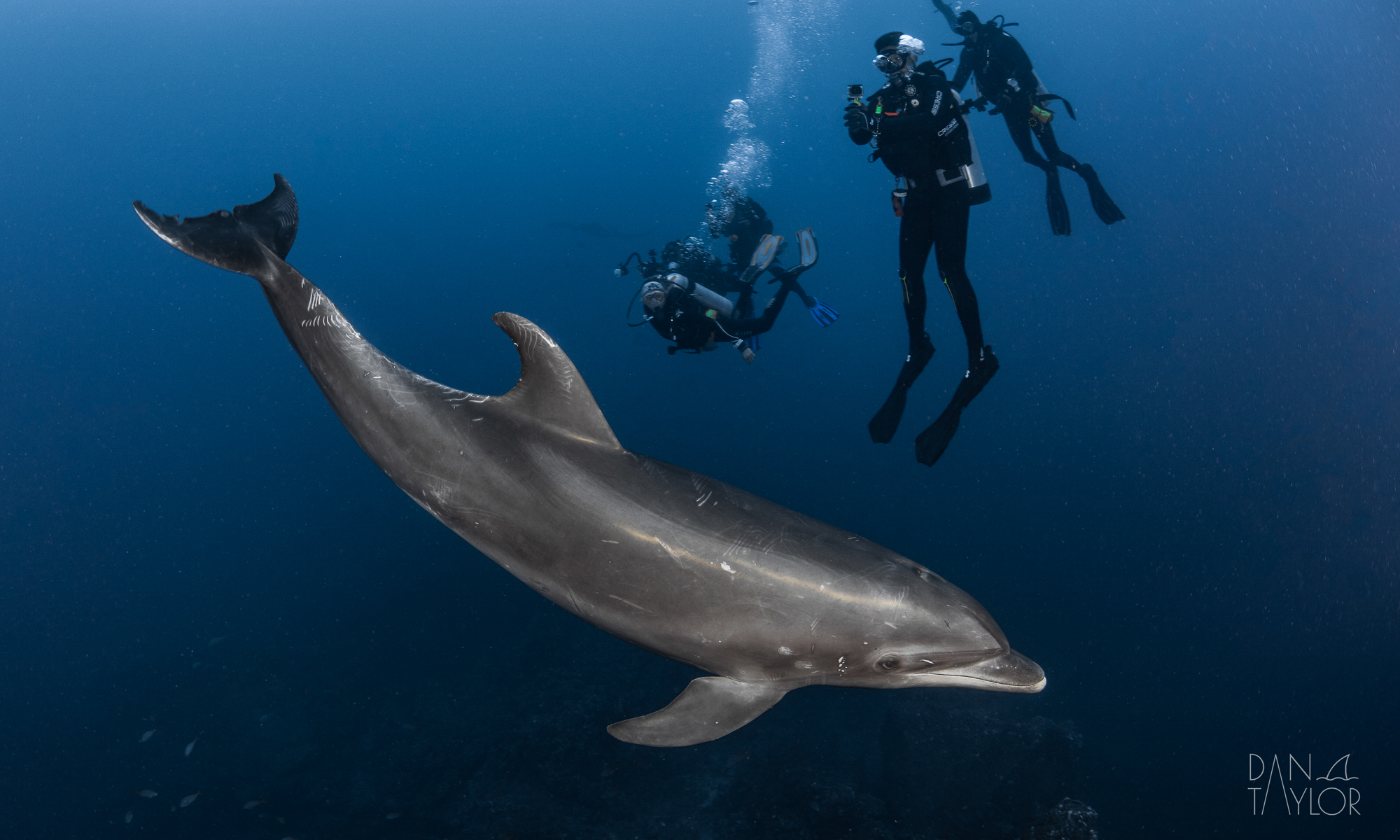
Undoubtedly, the magic begins once you’ve got your feet on the ground… or in fins! The Sea of Cortez is loaded with life. Huge pods of dolphins are almost a daily sight, and if you’re lucky, ocean giants — from humpbacks and fin whales to orcas.
🔹 Diving into the Sea of Cortez map means looking out for:
Playful sea lions cavorting at Los Islotes or Espiritu Santo
Oceanic manta rays gliding near La Reina
Sharks, rays, and turtles at Gordo Banks
Hammerhead sharks at deeper seamounts
Tornadoes of schooling fish around pinnacles
Wrecks and reefs that attract all sorts of critters
Seasonal whale shark aggregations near certain bays
Of course, whale sharks are one of the most iconic species you’ll see referenced on any marine life Sea of Cortez map. These gentle giants visit the region seasonally, drawn by plankton-rich waters.
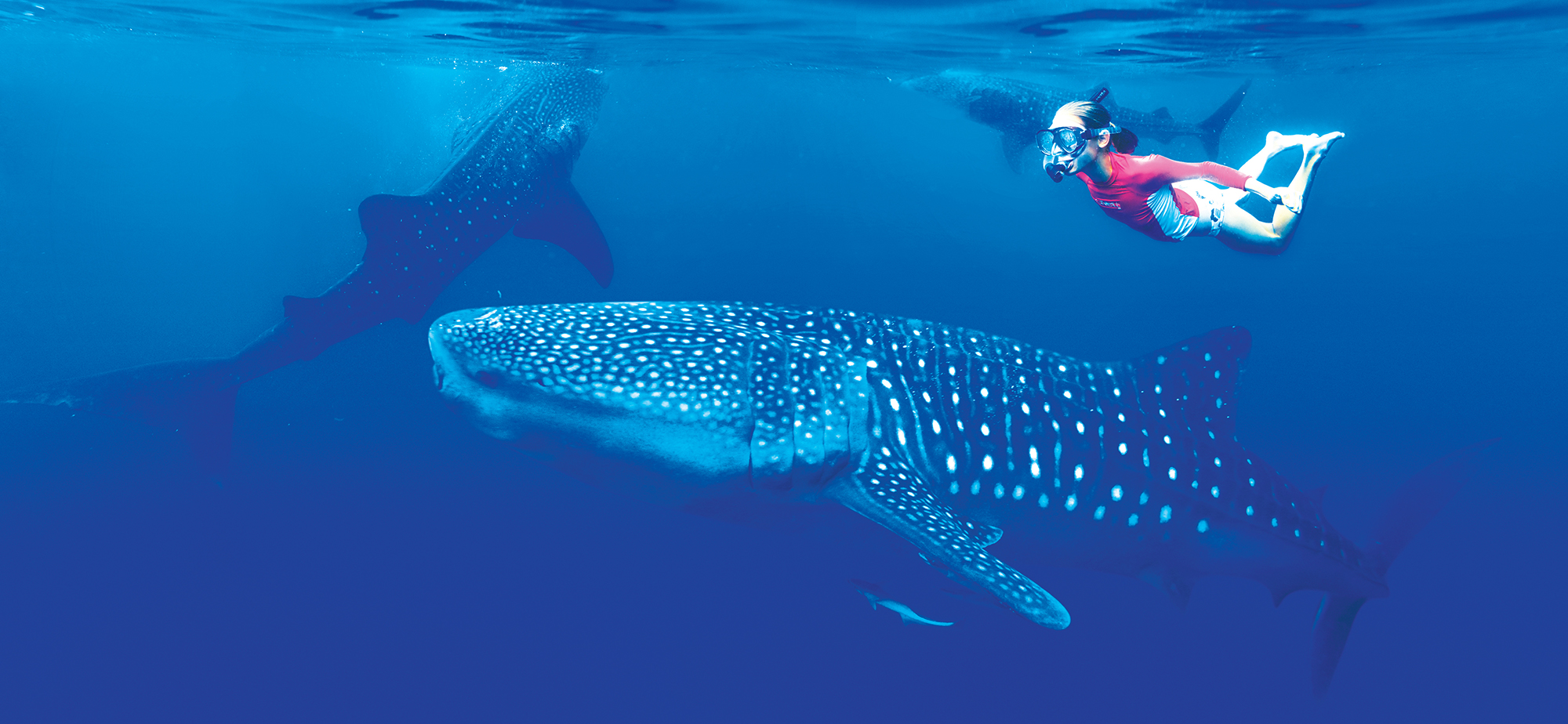
If swimming alongside a whale shark is on your wish list, you can learn more about when and where these encounters happen in our guide to swimming with whale sharks in Mexico.
More Than Scuba Diving
A map of the Gulf of California isn’t just for divers. It’s also your guide to beaches perfect for surfing or kayaking. Desert cliffs that beg for an afternoon hike. And, little coves where paddleboarding among sea lions feels like a dream. On Nautilus Adventures’ trips, combine up to four dives a day with snorkelling, beach time, or just relaxing on deck with a margarita as the sun dips behind rugged mountain peaks.
And for those seeking something truly giant… the Sea of Cortez is (arguably) the best place to see blue whales — the largest animal ever known to exist! Due to migration patterns, it becomes a real paradise for whale watchers every winter.
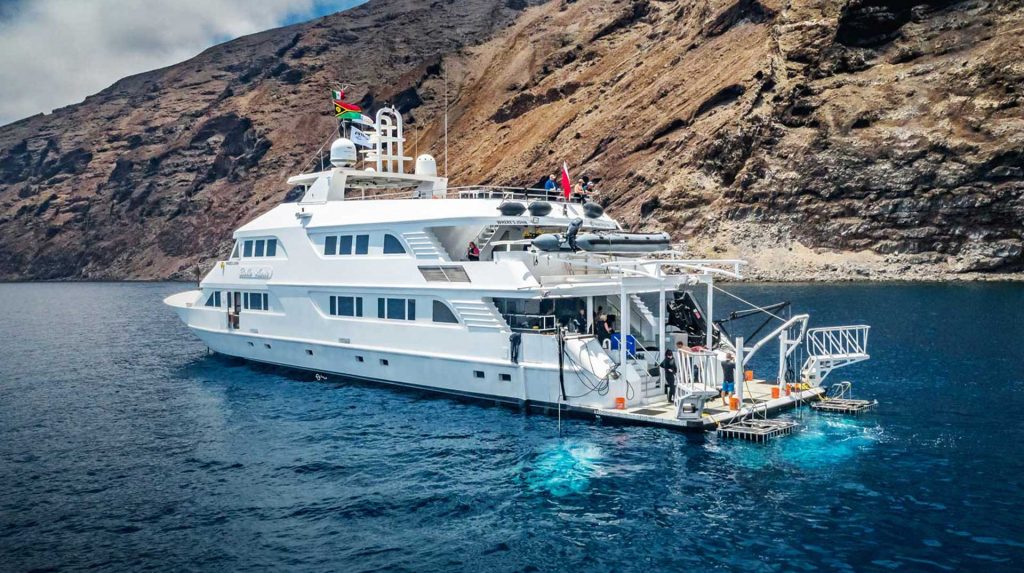
My husband and I spent a wonderful seven days on the Bell Amie in the Sea of Cortez. We were excited to see oceanic manta rays, octopus, nudibranchs, sea lions, schools of fish, and beautiful soft corals. The entire crew provided excellent service. The dive masters provided a safe environment and were excellent guides, helping us to make the most of our underwater adventures. We also enjoyed the delicious meals and snacks provided between each of the four dives offered each day. I look forward to more Nautilus adventures!”
Guest Review from Susan, 28 August 2025
Ready to See It for Yourself?
Pulling up a Sea of Cortez map is like opening the door to adventure. What brings this watery wonderland to life? Experienced guides. Onboard naturalists. Spotter aircraft support. Gourmet meals. World-class liveaboard comfort. Nautilus Adventures has it all — so you can truly enjoy life on the water.