


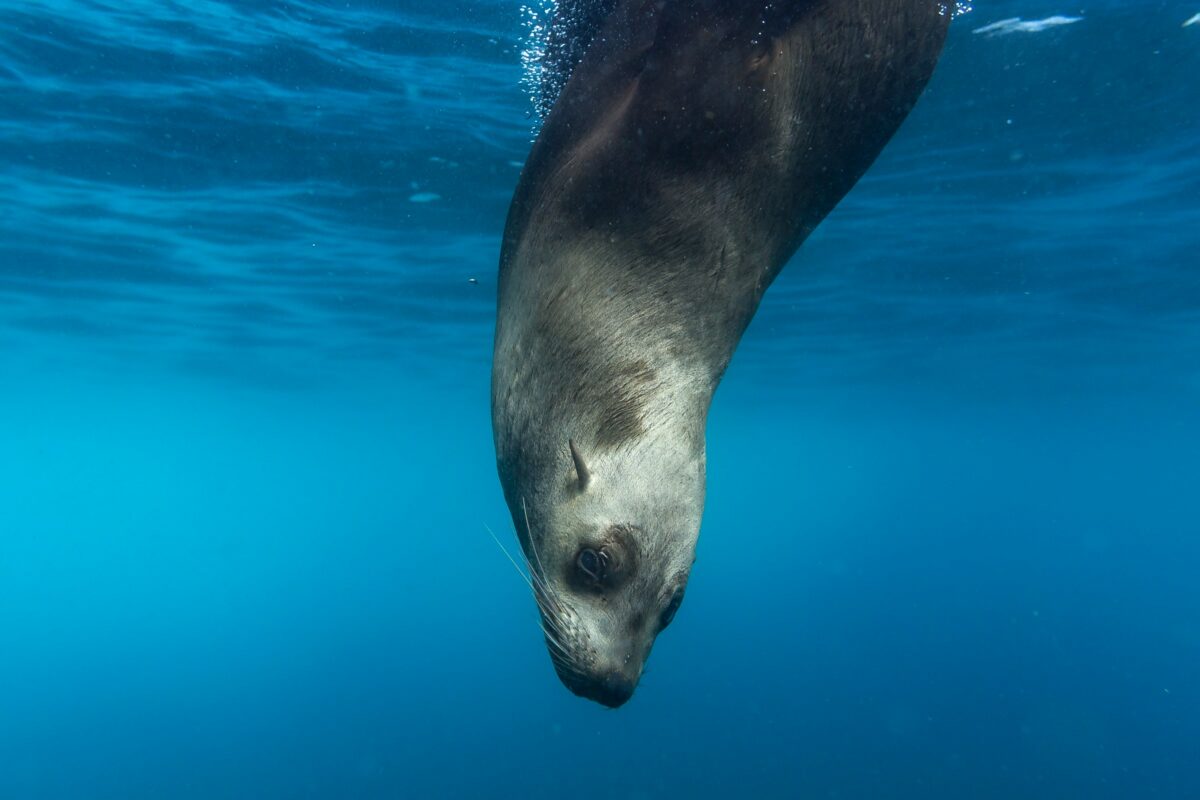
Are sea lions dangerous? It’s one of the most common questions travelers ask before swimming with sea lions in Mexico’s Baja California Sur — and it’s a smart one. While California sea lions may look playful and approachable, they are still wild animals, and understanding that balance is key to enjoying safe, respectful encounters.
What to Know Before Swimming With Sea Lions in Mexico
In this post:
Wild, Not Dangerous: Understanding Sea Lion Behavior
Myth vs. Reality: Are Sea Lions Dangerous?
Fun (and Fascinating) Facts About California Sea Lions
How to Snorkel Responsibly with Sea Lions
Frequently Asked Questions (FAQs)
🎥 Exploring the Breathtaking Sea of Cortez
Wild, Not Dangerous: Understanding Sea Lion Behavior
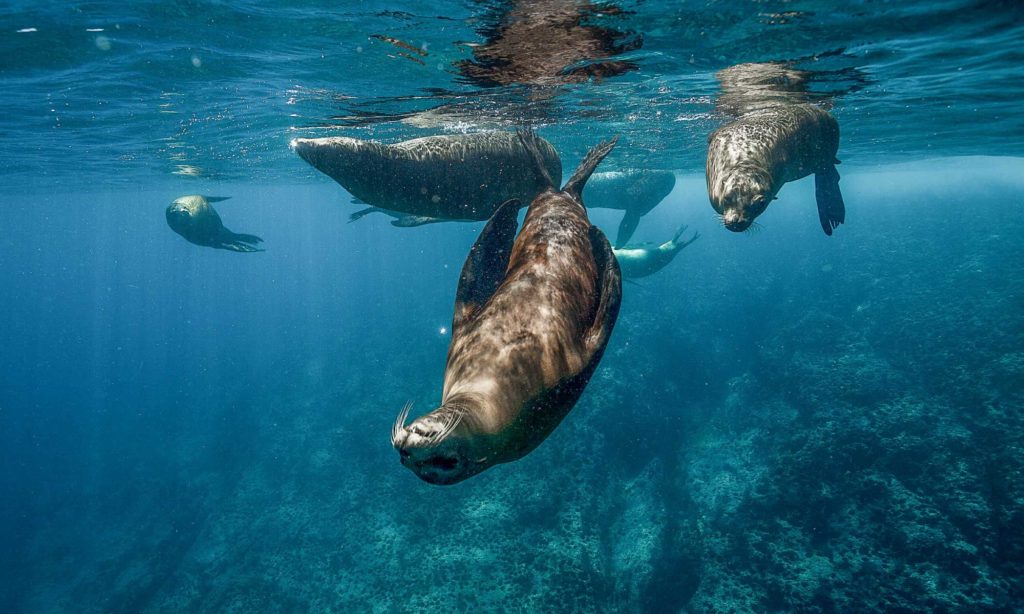
Around Las Ánimas and Espíritu Santo Island, swimming with sea lions is a bit of a must-do activity. Although they have become accustomed to boats and snorkelers, they are still powerful marine mammals with their own social rules and boundaries. The good news? When observed responsibly and under the guidance of experienced crew and onboard naturalists, swimming with sea lions here is considered very safe. Plus, the experience feels incredibly rewarding.
Most interactions involve curious juveniles darting through the water or spiraling playfully around swimmers. Aggression toward humans is very rare and usually linked to stress caused by overcrowding or people getting too close, particularly to dominant males or during breeding season. This is why the question ‘are sea lions dangerous?‘ depends less on the animals themselves and more on how people behave around them.
By keeping a respectful distance, avoiding sudden movements, and following the guidance of an experienced crew, visitors can observe sea lions behaving naturally — without risk to themselves or the animals. In protected areas like Espíritu Santo Island, responsible tourism helps ensure these encounters remain positive — something we’re proud to uphold on every Nautilus Adventures expedition.
Myth vs. Reality: Are Sea Lions Dangerous?
That being said, it’s important to know that not all seals and sea lions behave the same way. “Pinnipeds” — the group that includes seals, sea lions, and walruses — vary widely in size, temperament, and hunting behavior. Context, species, and human behavior all matter.
Myth: Sea lions are aggressive and unpredictable around people.
Reality: California sea lions are generally curious and social. Aggressive behavior toward humans is rare and usually linked to people getting too close, touching them, or ignoring guidelines.
Myth: All seals and sea lions behave the same way.
Reality: Pinniped behavior varies widely by species. Animals like leopard seals and elephant seals are far more territorial or predatory than California sea lions, which are known for playful, investigative interactions.
Myth: Sea lions are aggressive and unpredictable around people.
Reality: California sea lions are generally curious and social. Aggressive behavior toward humans is rare and usually linked to people getting too close, touching them, or ignoring guidelines.
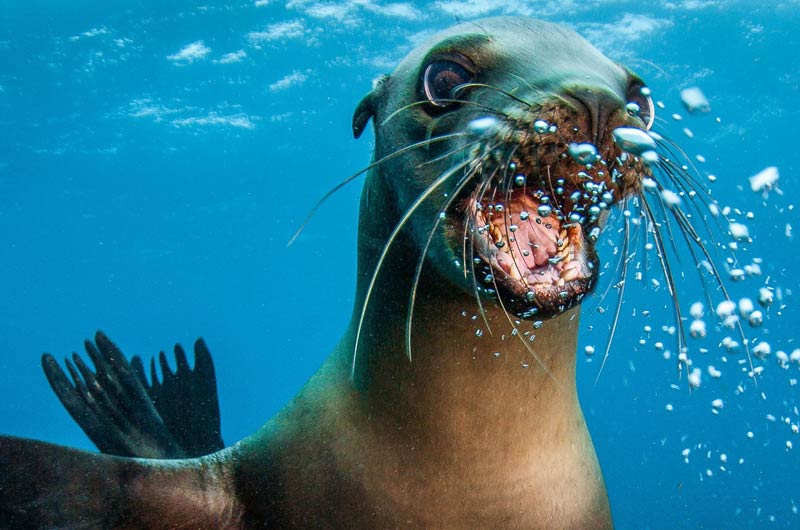
Myth: Snorkeling with sea lions is risky.
Reality: When done under regulated conditions — with clear rules and respectful distance — snorkeling with sea lions is considered very safe. Enjoyed by families and first-time ocean explorers alike.
Myth: Responsible wildlife encounters mean limited experiences.
Reality: Ethical guidelines actually lead to better encounters — allowing sea lions to behave naturally while creating memorable, low-impact experiences for visitors.
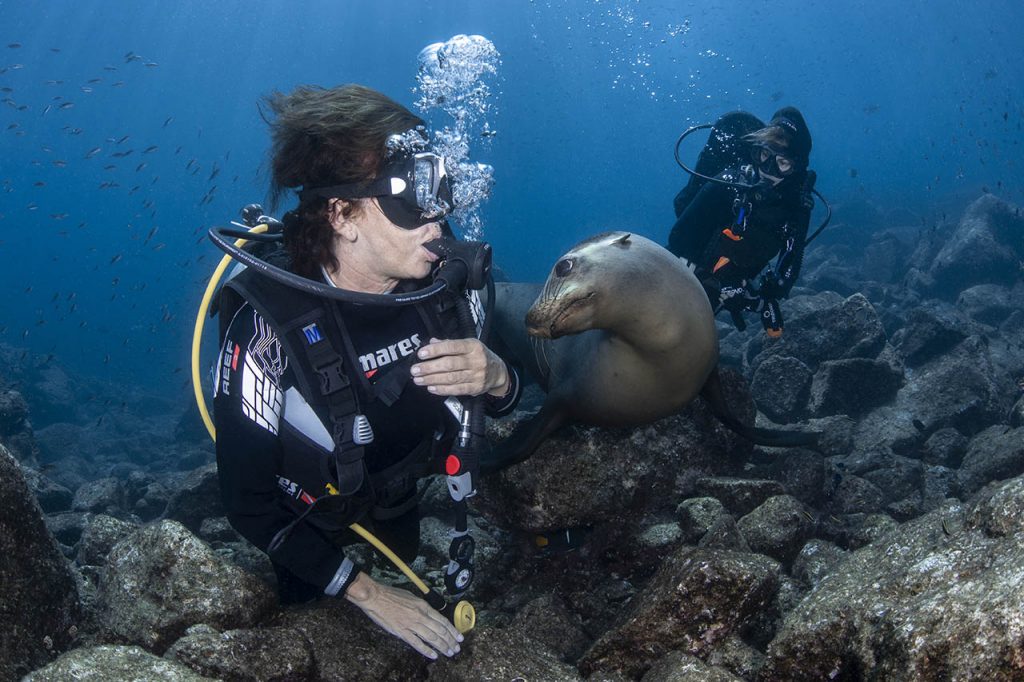
Fun (and Fascinating) Facts About California Sea Lions
Built for speed:
California sea lions are among the fastest pinnipeds in the ocean. They can swim at up to 25 miles per hour in short bursts. Their streamlined bodies and powerful front flippers make them agile hunters — and impressive underwater acrobats.
Social by nature:
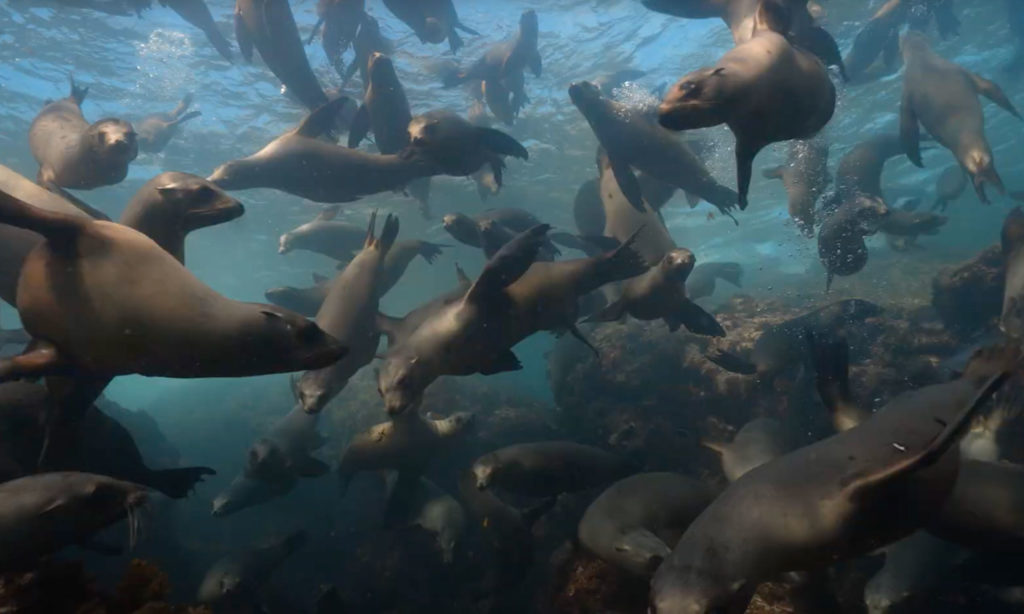
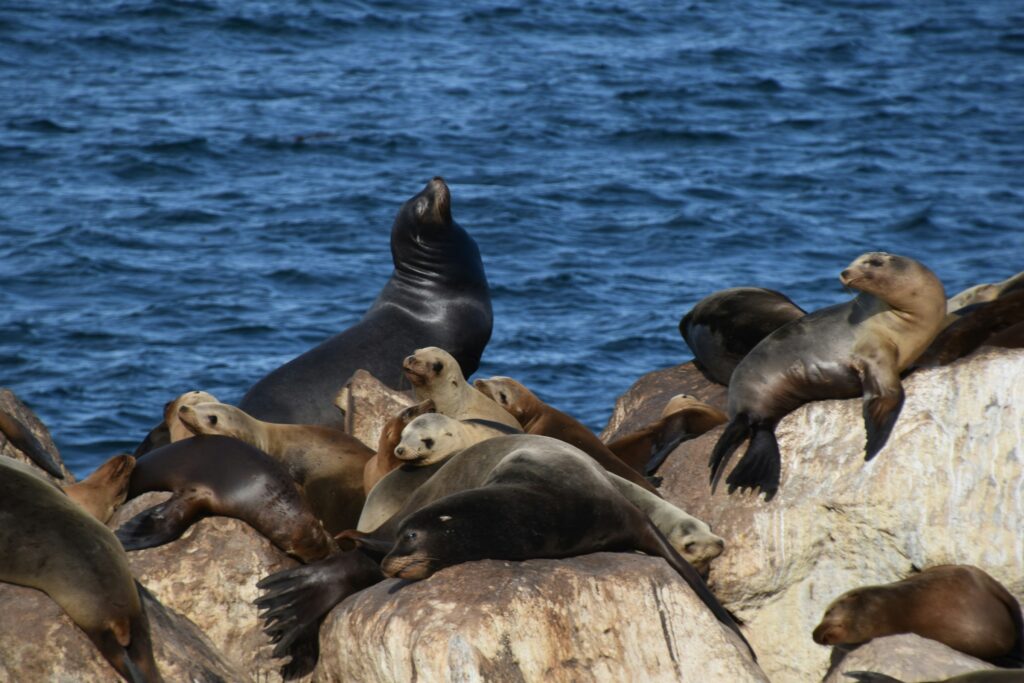
These sea lions are highly social animals and live in large groups called colonies when hauled out on land. At sea, they often rest in floating groups known as rafts. This behavior supports safety, social bonding, and possibly even temperature regulation.
Smart, flexible eaters:
As opportunistic predators, California sea lions adapt their diet to what’s available. Squid, anchovies, sardines, mackerel, and rockfish are all common menu items in the nutrient-rich waters of the Sea of Cortez.
Deep-diving athletes:
Sea lions can dive to depths of 800–900 feet (240–270 meters) and hold their breath for up to 10 minutes or more when foraging.
Very vocal mammals:
Famous for their unmistakable barking calls, California sea lions use a wide range of vocalizations to communicate — from territorial displays by males to mothers calling for their pups in noisy colonies.
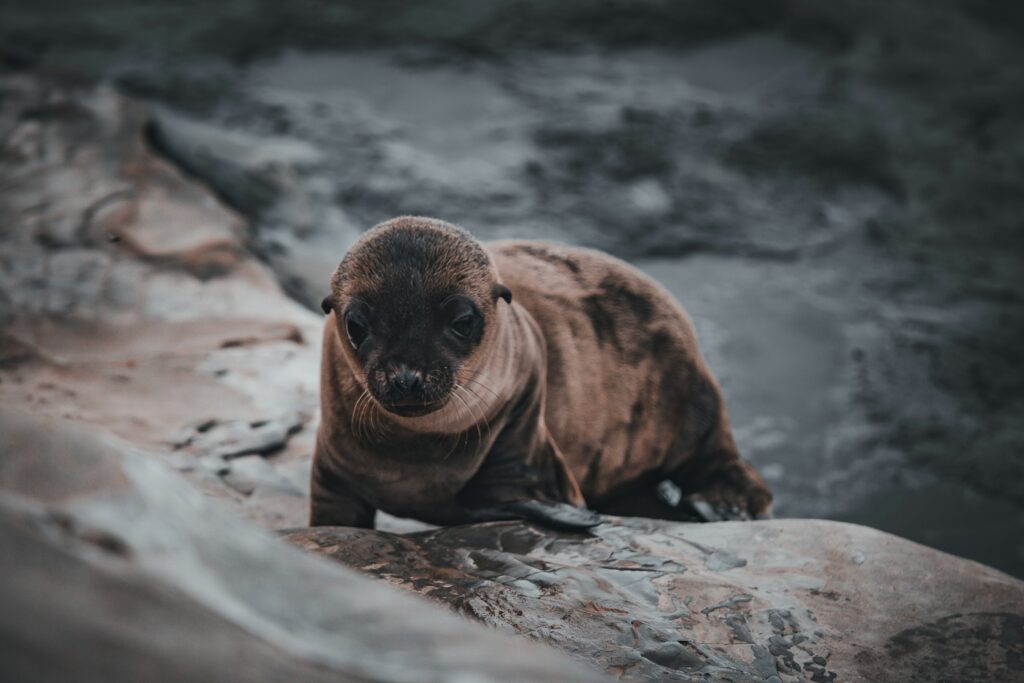
Day one started in Las Animas with the California and Guadalupe sea lions. There was 4 dives planned for the day at various sites around the area, but I’m only a newly certified scuba diver so I felt more comfortable snorkelling for the day… the sea lions were so playful and curious coming very close to me to say hello so I had so much fun and enjoyed my beautiful day with them.
I even got to see the tiny little pups laying on the rocks by their Mumma’s which might be one of the cutest things I have ever seen, they were just so adorable! You really can’t have a bad day when you swim with sea lions!”by Tahleigha, Guest from Australia onboard Nautilus Undersea, 22 September 2025
How to Snorkel Responsibly with Sea Lions
Swimming, or diving, with sea lions is most rewarding when it’s on the animals’ terms. A few simple guidelines help keep both people and sea lions safe — and ensure these playful interactions remain sustainable:
When done responsibly, snorkeling or swimming with sea lions is safe, magical, and deeply memorable — for humans and animals alike.
Where It All Comes Together: Espíritu Santo Island
These respectful encounters come to life around Espíritu Santo Island, one of Baja California Sur’s most iconic marine sanctuaries. Protected as part of a UNESCO World Heritage Site, the island’s sheltered coves and nutrient-rich waters create ideal conditions for California sea lions to thrive.
On an ocean safari through the surrounding waters, sea lions can often be seen cruising through waves, barking from rocky haul-outs, or spiraling effortlessly around snorkelers — particularly the ever-curious juveniles. Combined with dolphins, seabirds, and the occasional passing whale, Espíritu Santo offers a front-row seat to Baja’s living seascape.
Sea Lions in Baja: Family-Friendly FAQs
Are sea lions dangerous to humans?
Sea lions are wild animals, but they are generally not dangerous when treated with respect. Most incidents occur when people get too close, attempt to touch them, or ignore guidelines — which is why responsible operators and trained guides are essential.
Is it safe for children to snorkel with sea lions?
Yes, under guided conditions. Calm behavior, proper supervision, and clear safety briefings make sea lion encounters suitable for families with confident swimmers.
Why do sea lions approach snorkelers?
Sea lions — especially juveniles — are naturally curious. They may approach, spin, or “play” nearby, but these interactions should always remain passive and on their terms.
Do sea lions bite?
Bites are extremely rare and usually linked to stress, territorial behavior, or people ignoring boundaries. Maintaining distance and following the guide’s instructions virtually eliminates risk.
When is the best time to see sea lions in Baja?
California sea lions are present year-round around Espíritu Santo Island, making it one of the most reliable places in Baja to observe them in the wild and to swim with sea lions. Nautilus Adventures’ main Sea of Cortez ocean safari season runs from July through to November.
Swim with sea lions responsibly on an ocean safari in the Sea of Cortez with Nautilus Liveaboards — where expert guidance, conservation-minded practices, and unforgettable wildlife encounters come together.

🎥 Exploring the Breathtaking Sea of Cortez: video clips that bring Mexico’s Sea of Cortez to life. Skip to around 2:48 for cute sea lion close-ups and people swimming with sea lions.
Sources & Related Reading
UNESCO: Islands and Protected Areas of the Gulf of California
NOAA Fisheries — California Sea Lion Species Profile
Georgia Aquarium — California Sea Lion Overview
First-hand guest accounts: ‘Diving with Sea Lions and Exploring Underwater Caverns.’