





If you’ve been searching “Is Baja Mexico safe?” before booking your vacation, you’re not alone — and you’re asking exactly the right question. The honest answer is that safety in Baja Mexico depends heavily on where you go, how you travel, and who you travel with.
For the vast majority of visitors, Baja delivers an experience that is as safe as it is memorable. This guide cuts through the noise and gives you the real picture — region by region, risk by risk.
Overview of Baja Mexico
The Baja Peninsula stretches hundreds of miles south from the US border, flanked by the Pacific Ocean to the west and the Sea of Cortez to the east. Crucially, it is divided into two separate Mexican states — a distinction that really matters when assessing safety.
Baja California (Norte) covers the northern half of the peninsula and includes the border cities of Tijuana and Mexicali. Baja California Sur covers the southern half, taking in La Paz, Loreto, and Los Cabos. These are two entirely different states with different safety profiles, travel advisories, and day-to-day realities for visitors. Much of the confusion around Baja safety comes from treating them as one. They are not.
Is Baja Mexico Safe for Tourists?
For people visiting established tourist destinations, the answer is broadly yes, Baja Mexico is safe. Over 80 million people visited Mexico last year, and the vast majority did so without incident.11 However, the picture across the wider peninsula is more nuanced.
The primary concerns for visitors in tourist areas are petty crimes such as pickpocketing, not the violent crimes that dominate headlines. Cabo San Lucas and San Jose del Cabo are currently among the safest tourist destinations in Mexico, due to their geographic isolation from mainland cartel conflict. Not to mention a local economy that is dependent on visitor safety.
Is Baja California Sur Safe?
Official data and government advisories consistently show that Baja California Sur is one of Mexico’s safer states. The U.S. State Department gives it a ‘Level 2: Exercise Increased Caution’ advisory.2 The same rating is shared with many popular European countries like the UK, France, and Germany. There has been no violence affecting tourist operations in the state, and hundreds of Canadians, US citizens, and Europeans travel here each season without incident.
Another green flag for Baja California Sur is that there are no specific travel restrictions for U.S. government employees.
Is Baja California Norte Safe?
The picture in the north is more complex and warrants context. Baja California (Norte) is classified as ‘Level 3 — Reconsider Travel’ by the U.S. State Department, with risks including violence from gangs and criminal organisations. Tijuana carries homicide rates as high as 96 per 100,000; however, late 2025 saw a notable decline in many crime categories. It’s important to note that tourist-heavy areas are often significantly safer than statistics suggest.
The key takeaway for visitors is that tourist corridors in Tijuana and Ensenada — the hotel zones and major attractions — are actively patrolled and generally calm.
Crime Rates and Real Risks for Visitors
The gap between perception and reality is significant when it comes to discussing whether Baja Mexico is safe. Sure, violent crime statistics are concerning, but is largely concentrated in specific cities and in non-tourist neighborhoods. The violence often stems from disputes between rival criminal organizations. Which is why Mexican tourism experts consistently stress that, regardless of the headlines, incidents involving tourists are extremely rare.
For visitors, the realistic risks are more mundane: petty theft, opportunistic scams, road hazards during self-guided drives, and the occasional stomach upset from unfiltered water. Awareness and basic precautions go a long way.

Safest Places to Visit in Baja Mexico
Los Cabos Safety Overview
Los Cabos — encompassing Cabo San Lucas and San José del Cabo — sits on the southern tip of the peninsula and is one of the region’s most developed tourist destinations. Visible security patrols cover the marina, the hotel corridor, and Medano Beach, helping maintain minimal crime levels. Travelers to Los Cabos who book licensed excursions and use reputable transportation report a consistently good and safe experience.
La Paz Safety and Eco-Tourism Safety
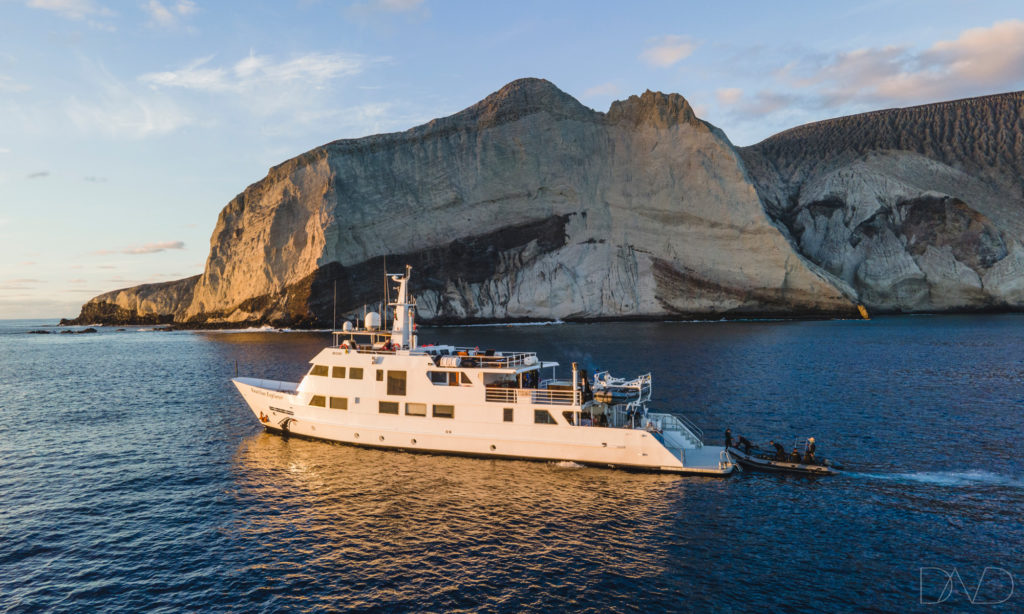
La Paz, the state capital of Baja California Sur, moves at a notably quieter pace than Cabo. It serves as the hub for many of the region’s premier eco-tourism operations — including Nautilus Liveaboards and Baja Expeditions. La Paz is best known as a gateway for whale watching expeditions, island adventures, and liveaboards in the Sea of Cortez.
Crime levels in La Paz are relatively low. With the city’s economy and culture closely tied to marine conservation and responsible tourism, it’s a family-friendly destination with a strong sense of community.
Areas to Approach with Caution
Border Cities and Transit Zones
Tijuana is frequently cited in safety discussions about Baja, and some caution is warranted — particularly outside of tourist zones. Transnational criminal organizations compete in border zones, where gang violence can be common in non-tourist areas. Stick to main highways and avoid remote locations to stay safe in these parts of Baja Mexico. That said, the Zona Río district holds offices, modern malls, and a steady police presence, and the Playas de Tijuana boardwalk feels lively and safe until late evening.
If crossing the border by road, use official crossing points, keep documents readily accessible, and cooperate calmly if you encounter any military checkpoints.
Remote Desert and Isolated Areas
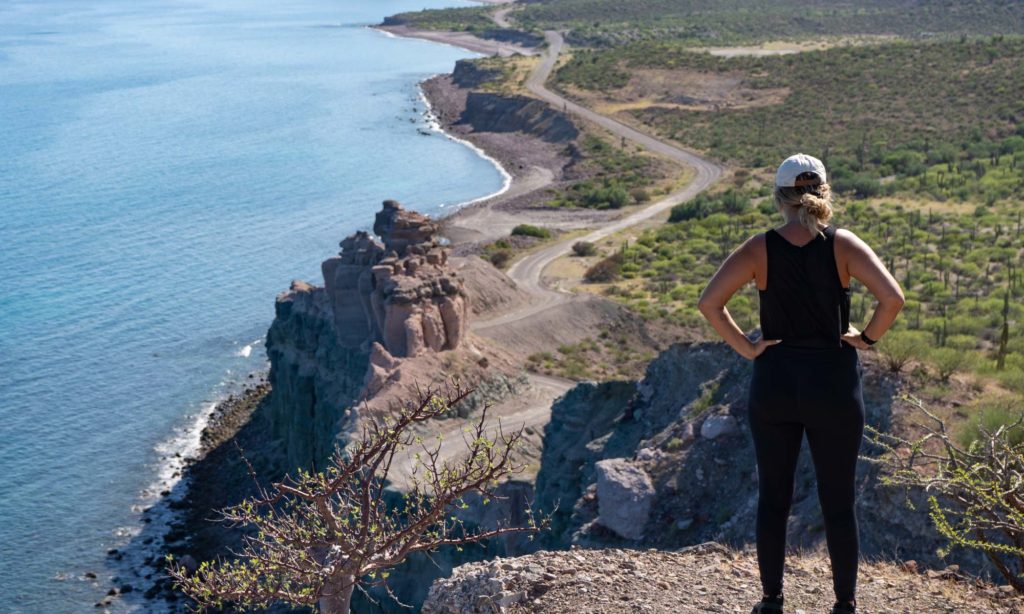
Baja’s remoteness is part of its extraordinary appeal — but self-guided travel through desert terrain carries its own risks. Along Highway 1, the distance between fuel stations can be vast, and emergency services are few and far between. It can sometimes be hours before you encounter another vehicle, and cell phone reception is nonexistent in some areas.
The weather should also be taken seriously. Summer brings intense heat and the risk of flash floods, while the Pacific coast is subject to tropical storms between June and October. Travelers venturing into remote areas independently should carry adequate food, water, fuel reserves, and have a contingency plan.
Is It Safe to Explore Baja with Guided Expeditions?
This is where the safety equation shifts significantly in the traveler’s favor. For anyone looking to experience the most remote and extraordinary corners of Baja — the whale nurseries of San Ignacio Lagoon, the Sea of Cortez, the volcanic islands of the Pacific — a guided expedition is not just the most enriching way to travel. It is the safest.
Why Guided Expeditions Improve Traveler Safety
Booking with reputable operators removes the logistical risks that can catch independent travelers out. Transportation, accommodation, meals, and activities are all managed by experienced local teams. Without appropriate planning, an independent trip can become an ordeal.
Nautilus Liveaboards and sister company Baja Expeditions have been running guided expeditions in Baja California Sur for decades. Seasonal trips cover everything from liveaboard diving adventures to land-based glamping, ocean safaris, and whale watching. The team’s depth of local knowledge — the terrain, waters, wildlife, communities, weather patterns — is something no amount of independent research can fully replicate.
Safety Standards During Whale Watching Tours
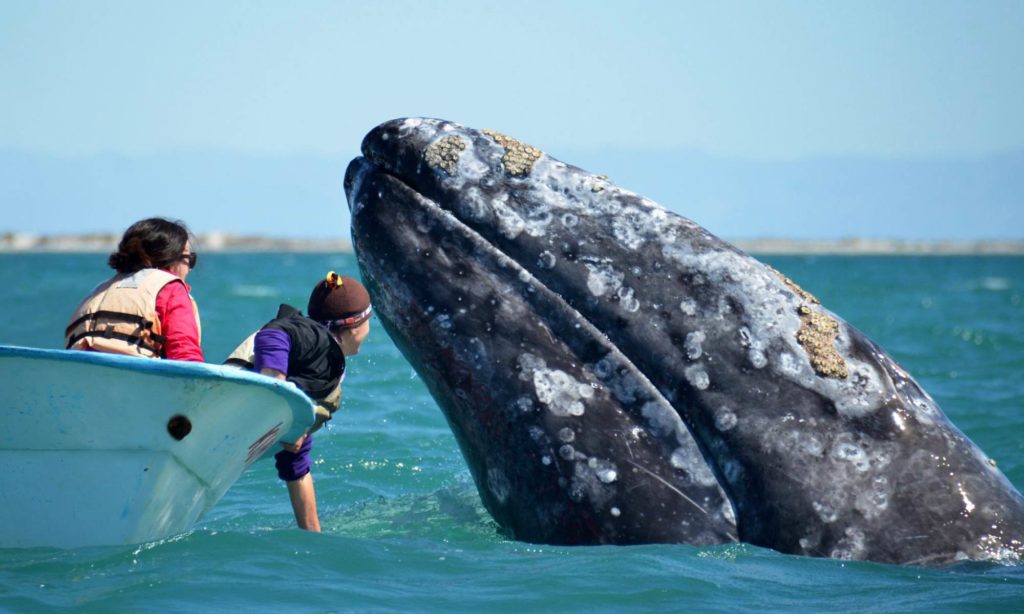
Baja California whale watching tours are perfectly safe when managed correctly by a reputable operator. Whale watching excursions — particularly in San Ignacio Lagoon — are conducted under strict regulations to protect whales and visitors alike. Access is controlled, group sizes are limited, and operators must hold appropriate licenses and adhere to official guidelines. These guidelines govern minimum distances, approach angles, and time spent on the water with animals.
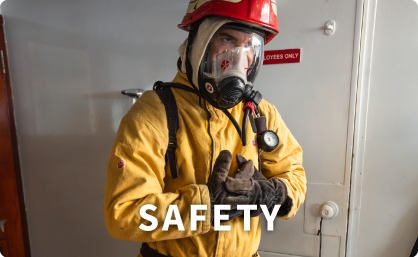
At Nautilus, safety briefings are standard, life jackets are provided, and experienced guides supervise all water-based activities. This combination means our expeditions in Baja Mexico are remarkably safe — even in the most remote locations.
Liveaboard Diving Safety — What to Look for When Choosing an Operator
For divers considering a liveaboard expedition, a few non-negotiables are worth discussing before you book. According to Divers Alert Network (DAN), between 2022 and 2024, there were 20 serious incidents reported on liveaboard vessels worldwide — half caused by fires, 30% by vessels running aground at night, and the remainder by stability issues. These industry-wide figures underline why operator choice matters.
Look for hard-wired fire detection systems, a fully trained crew with firefighting equipment, and both a certificated captain and mate trained to internationally recognized standards. Vessels should be sea-worthy and look balanced (not top-heavy).
A reputable operator should answer your safety concerns without hesitation.
How to Stay Safe While Traveling in Baja Mexico
Essential Safety Tips for Tourists
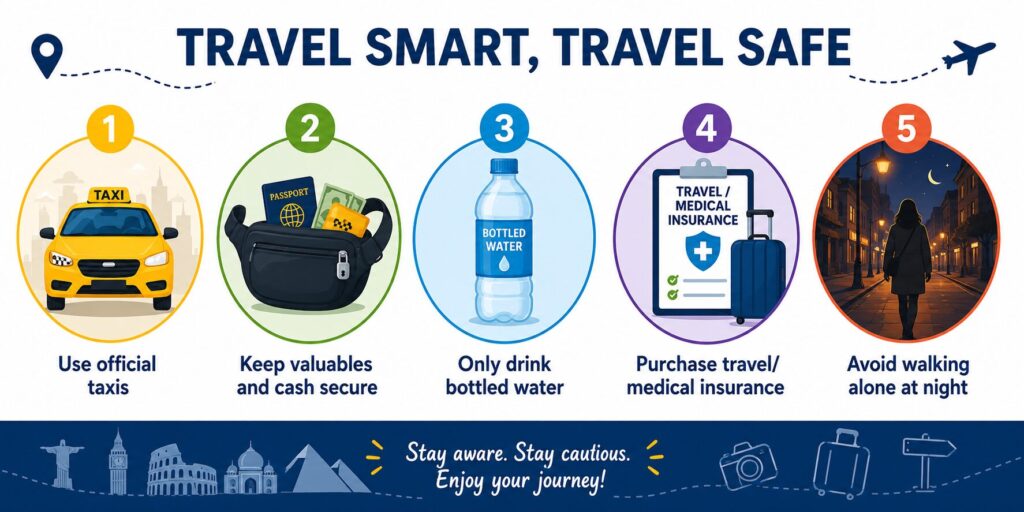
Review these practical tips to help you make the most of any trip to the Baja Peninsula.
Navigating Highway 1: Driving Safely Across Baja
Road tripping the length of the Baja Peninsula is a bucket-list adventure for lots of visitors, and it is entirely doable with the right preparation.
What Official Travel Advisories Actually Mean
Government travel advisories are a useful starting point, but they require interpretation. A state-level advisory does not mean every place carries equal risk, so read about specific cities and travel routes, not just the overview. Conditions change, so check for updates close to your departure date.
The U.S. State Department uses four main travel advisory levels:3
As seen on their Travel Advisories Map, Baja California Sur sits at Level 2 — the same band as many popular Latin American and European destinations. Baja California Norte sits at Level 3.
A common source of confusion is that Baja California Sur — home to Los Cabos — and Baja California Norte — home to Tijuana — are two completely different states. Most travelers who express concern about the region are conflating the two.
The U.S. State Department advisory page at travel.state.gov and the UK Foreign, Commonwealth & Development Office at gov.uk/foreign-travel-advice are considered the most reliable primary sources.
Marine Life and Natural Hazards — What to Be Aware Of
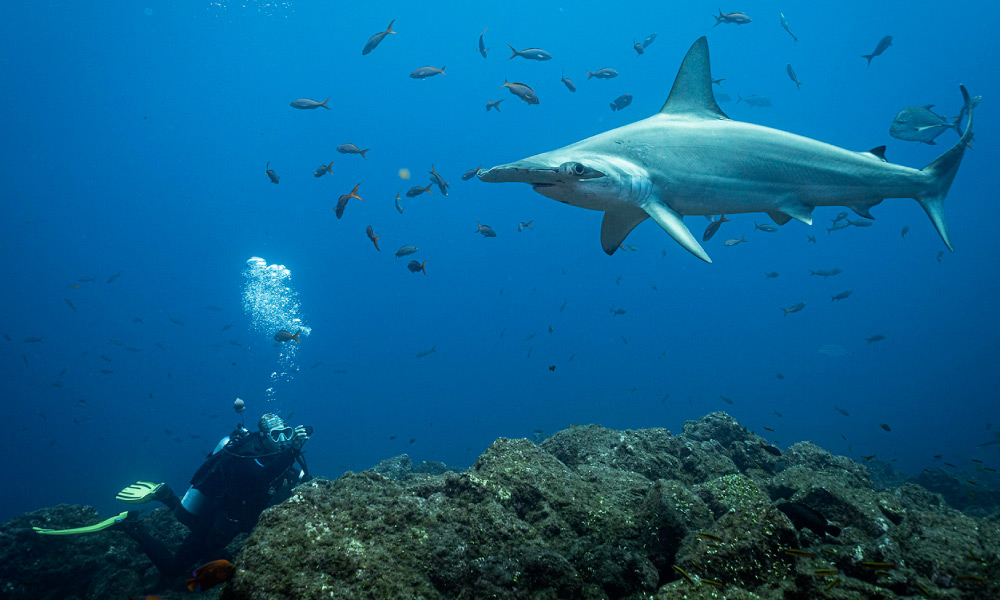
Baja’s waters are extraordinary precisely because they are wild — and a little awareness goes a long way.
In the water:
On shore:

Final Verdict — Is Baja Mexico Safe to Visit?
For travelers exploring the marine reserves, whale watching lagoons, coastal cities, and island ecosystems in the south, Baja Mexico is a safe and deeply rewarding place. Its geographic isolation, combined with a local economy built around tourism and conservation, has produced a state with one of the most stable safety profiles in the country.
In contrast, a trip to the north demands additional caution — not avoidance, but informed travel. Review current safety information before traveling, and stick to well-patrolled tourist areas in the cities.
Traveling with a reputable operator and experienced guides means the risks of remote travel are managed for you by people who know the area intimately. You get the raw magic of one of the world’s great wilderness destinations — with the comfort of their knowledge and support structure.
Baja is out there. It is ready. And with the right preparation, so are you.
Sources & Further Reading:
- https://mexiconewsdaily.com/travel/us-mexico-travel-alert-terrorism/ ↩︎
- https://travel.state.gov/en/international-travel/travel-advisories/mexico.html ↩︎
- https://travel.state.gov/en/international-travel/travel-advisories.html ↩︎
Nautilus Adventures Blog: ‘Liveaboard Safety: Is Liveaboard Diving Safe?’
Baja Expeditions Blogs: ‘When Is the Best Time to Go to Baja?’ & ‘Baja Mexico Map: Discover the Baja California Peninsula’