


Wondering how to plan a liveaboard diving trip? Start with Mexico, an extraordinary scuba diving destination. But before you start comparing boats, there’s an important question to answer: What do you actually want from your diving trip?
Mexico’s Pacific coast, the Sea of Cortez, and the Caribbean side offer very different underwater experiences. You can spend a week exploring warm Caribbean reefs, head into the remote Pacific in search of giant mantas and sharks, or follow enormous sardine bait balls as predators gather to feed.
So rather than asking which is the best liveaboard diving trip in Mexico, ask which experience is right for you.
How to Plan a Liveaboard Diving Trip: Start With the Destination
Mexico stretches between the Pacific Ocean, the Caribbean Sea, and the Gulf of Mexico, giving divers an unusually wide range of environments to explore. Liveaboard diving is particularly well established on the Pacific side, including the Mexico Sardine Run at Magdalena Bay, the Sea of Cortez and the remote Revillagigedo Archipelago, while the Mexican Caribbean is better known for reef diving, clear tropical water and the wider Mesoamerican Reef system.
Mexico’s Pacific Coast
Baja California and Mexico’s offshore Pacific islands offer cooler, nutrient-rich waters and encounters with some of the country’s most famous large marine animals. This is where you’ll find the remote, expedition-style diving of the Revillagigedo Archipelago.
The Sea of Cortez
The Sea of Cortez offers a completely different experience, with extraordinary biodiversity, varied diving and plenty of opportunities to explore above and below the surface.
The Mexican Caribbean
The Mexican Caribbean offers warm water, coral reefs and generally accessible tropical diving around destinations such as Cancún, Isla Mujeres and Cozumel.
Next, think about what marine life you want to see
Do you want to spend your trip looking for giant oceanic mantas? Are sharks the main attraction? Would you rather have a constantly changing cast of marine life, or experience one seasonal phenomenon?
Your wish list is probably the best place to start because different Mexican destinations answer those questions differently.
Socorro: big animals and remote Pacific diving
If your idea of the perfect dive involves looking out into deep blue water and wondering what enormous animal might appear next, Socorro belongs near the top of your list.
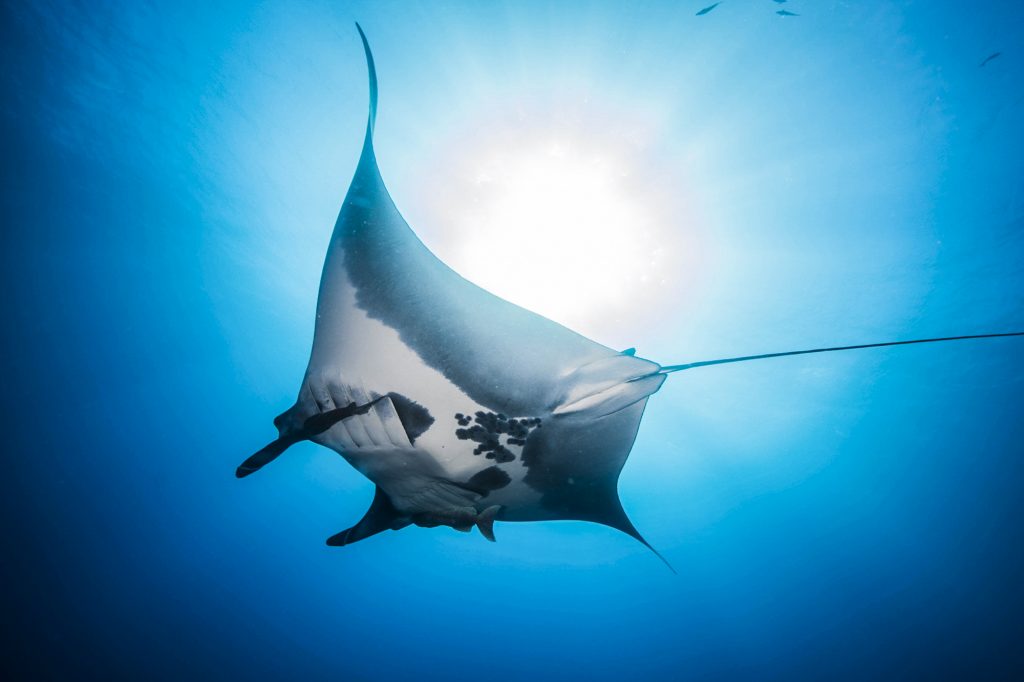
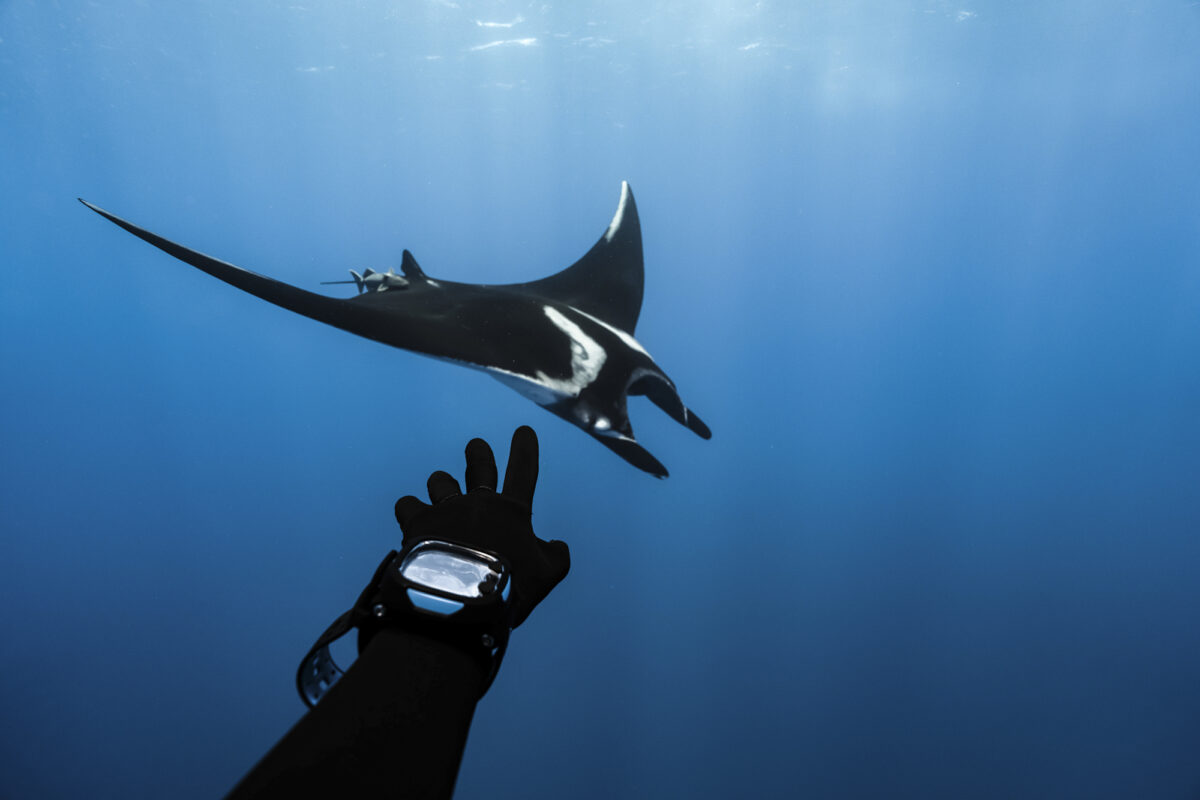
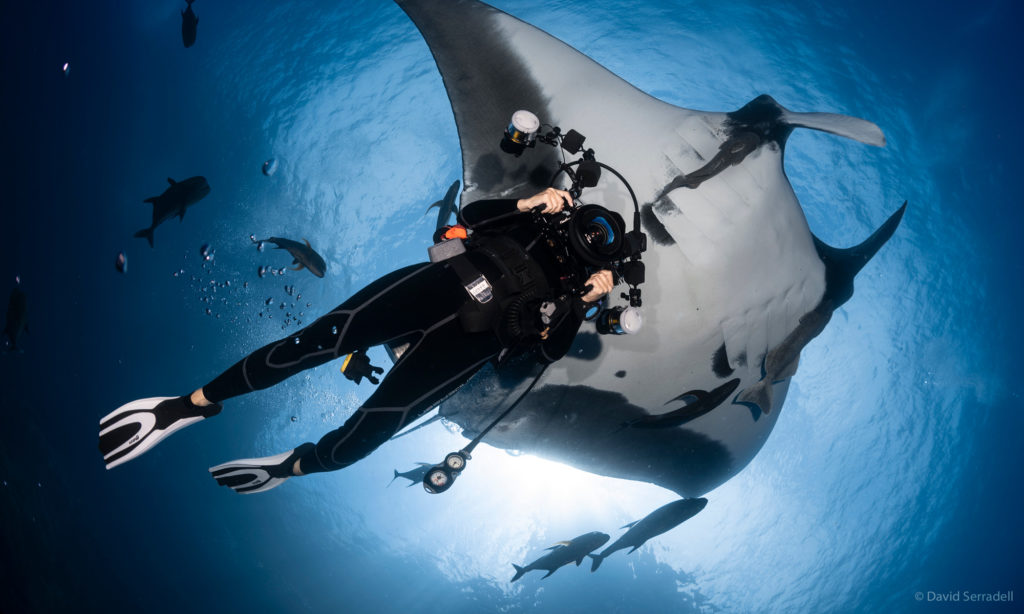
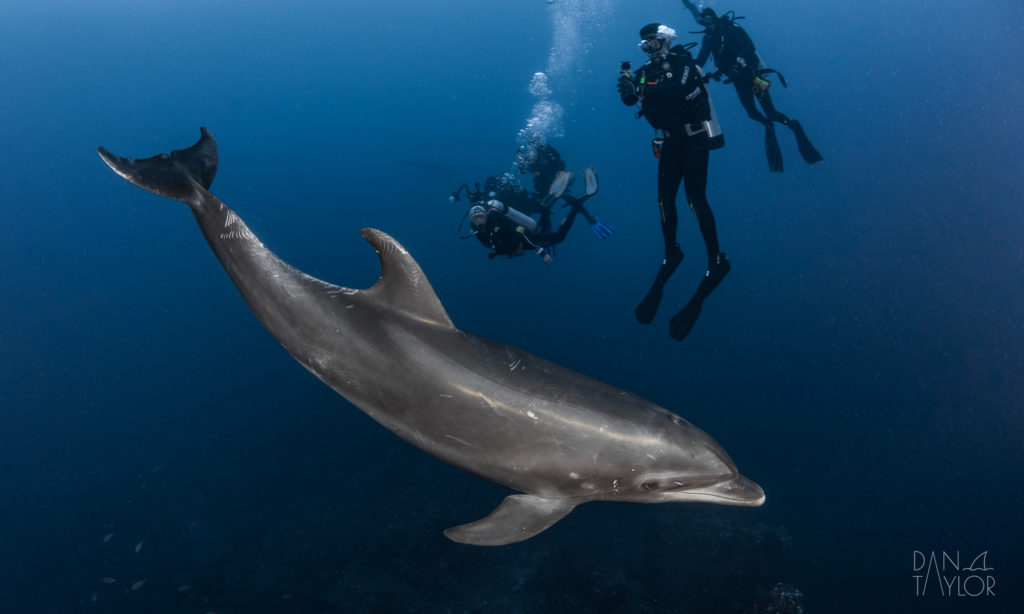
The Revillagigedo Archipelago lies far offshore from Baja California and is renowned for the best diving in Mexico. Your chance to encounter giant manta rays, dolphins, and sharks. Socorro is particularly famous for its friendly giant mantas, while the surrounding waters can also produce schooling hammerheads, whale sharks and other pelagic species. The archipelago is a UNESCO World Heritage Site, reflecting the exceptional importance of its marine ecosystems.
This is remote, expedition-style diving. You spend several days offshore, diving around volcanic islands and pinnacles rather than returning to a hotel each evening.
🏆 Best for: Divers who want big-animal encounters, remote diving and a genuine offshore expedition.
💭 Think twice if: You would prefer tropical reef diving or a trip with a variety of activities away from the water.

The Sea of Cortez: variety above and below the surface
The Sea of Cortez is a very different kind of liveaboard experience.
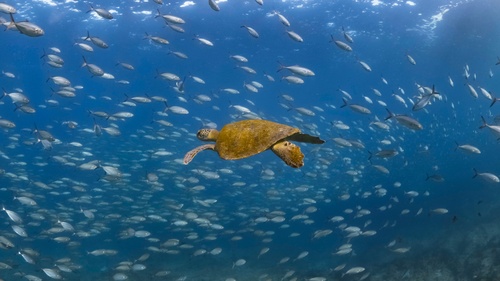
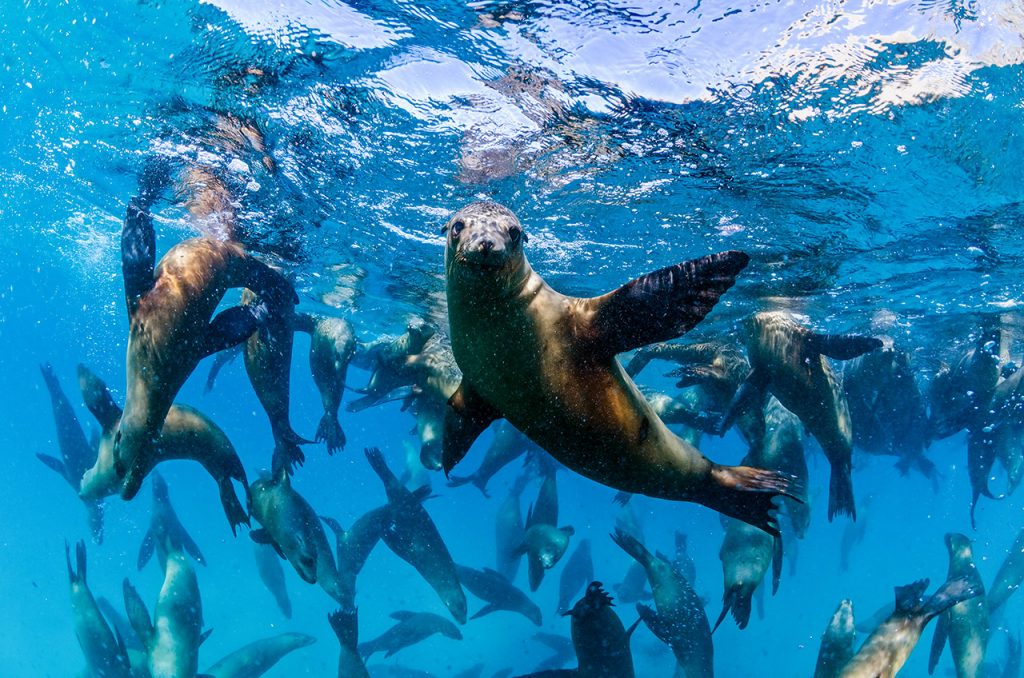
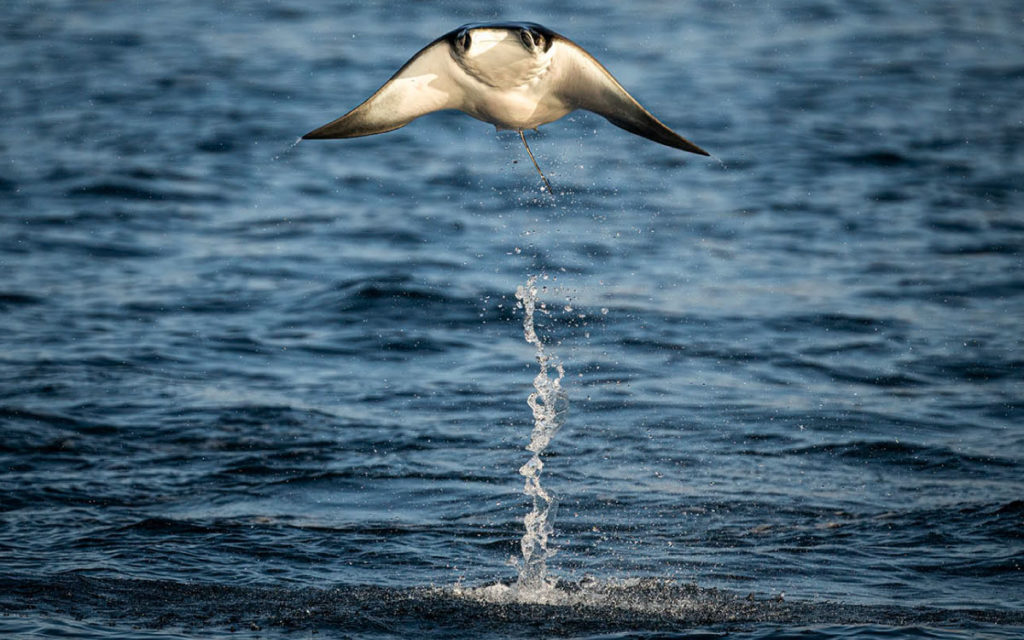
Rather than being defined by one headline animal, the region offers remarkable variety. Sea lions, mobula rays, schooling fish, sharks, dolphins and whales can all feature, with different areas offering seasonal wildlife highlights.
There’s plenty to do between dives, too. Depending on the itinerary, a Sea of Cortez expedition can combine scuba diving with snorkelling, kayaking, paddleboarding, hiking, beach time and exploring the dramatic desert islands of Baja.
Nautilus offers several ways to experience the region, including shorter Sea of Cortez getaways and longer routes between La Paz and Loreto.
🏆 Best for: Divers who want variety, wildlife, and a broader Baja experience rather than a trip focused primarily on one type of encounter.
💭 Think twice if: Your scuba goals revolve around one specific pelagic species or a particular seasonal event.
Magdalena Bay: something completely different
The Mexico Sardine Run in Magdalena Bay doesn’t fit neatly into the conventional idea of a scuba liveaboard.
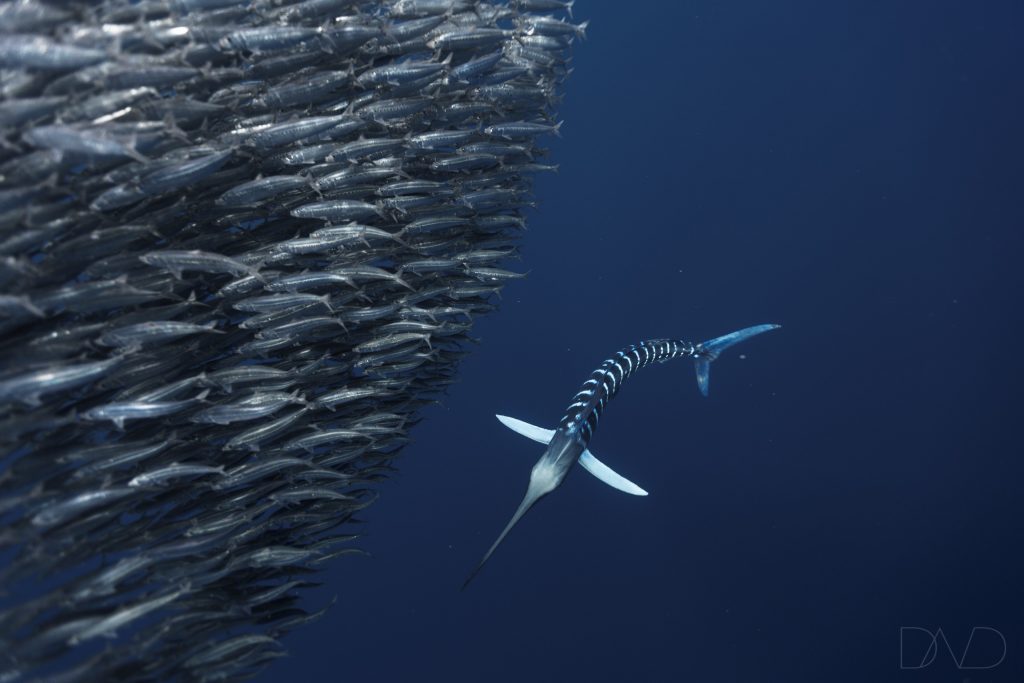
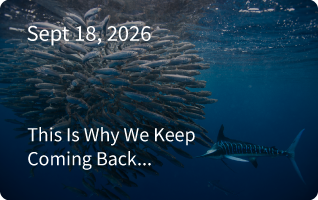
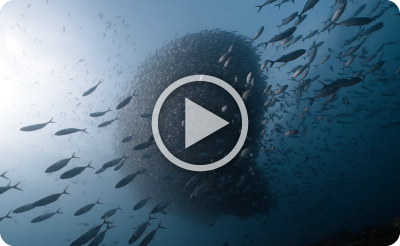
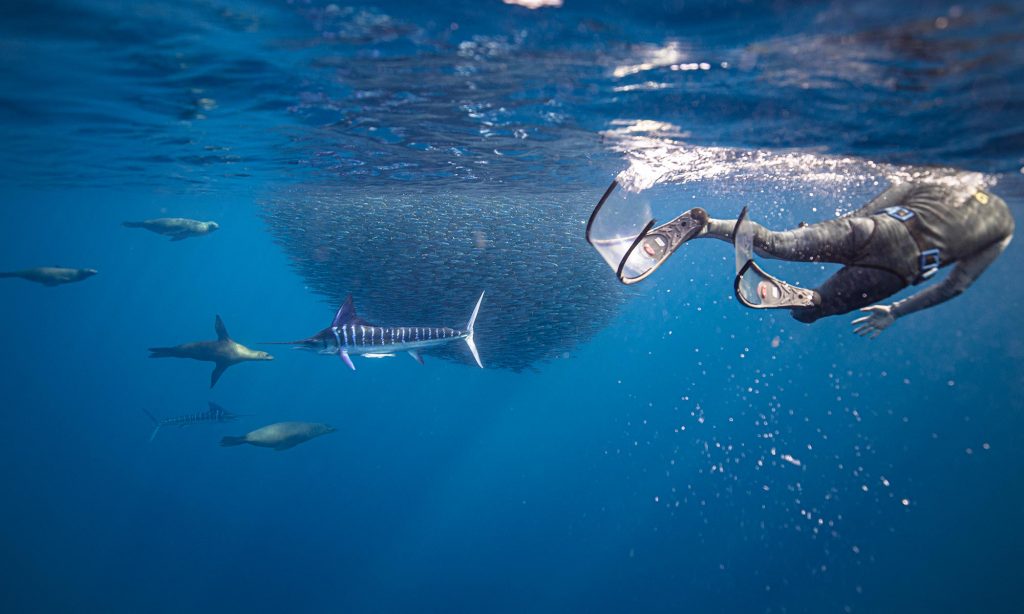
Here, the attraction is one of the ocean’s great seasonal spectacles: enormous schools of sardines gather in dense bait balls, attracting a host of predators. The experience is centred around getting into the water to witness the action, whether snorkeling or freediving. It’s truly thrilling to witness dense, shimmering balls of sardines being harassed by anything from sharks and blue marlin to lunging whales and seabirds. The expedition combines different forms of ocean exploration rather than simply ticking off a set number of scuba dives.
🏆 Best for: Adventurous ocean lovers and divers who want to experience an extraordinary seasonal wildlife event.
💭 Think twice if: What you really want is a traditional scuba-focused liveaboard with multiple dives every day.
When do you want to go?
Mexico doesn’t have one universal “best time” for liveaboard diving. The best season depends on the destination and, often, the marine life you’re hoping to encounter. Plan your Baja California Sur adventure with our handy wildlife calendar, showing when key species are in season and where to find them.
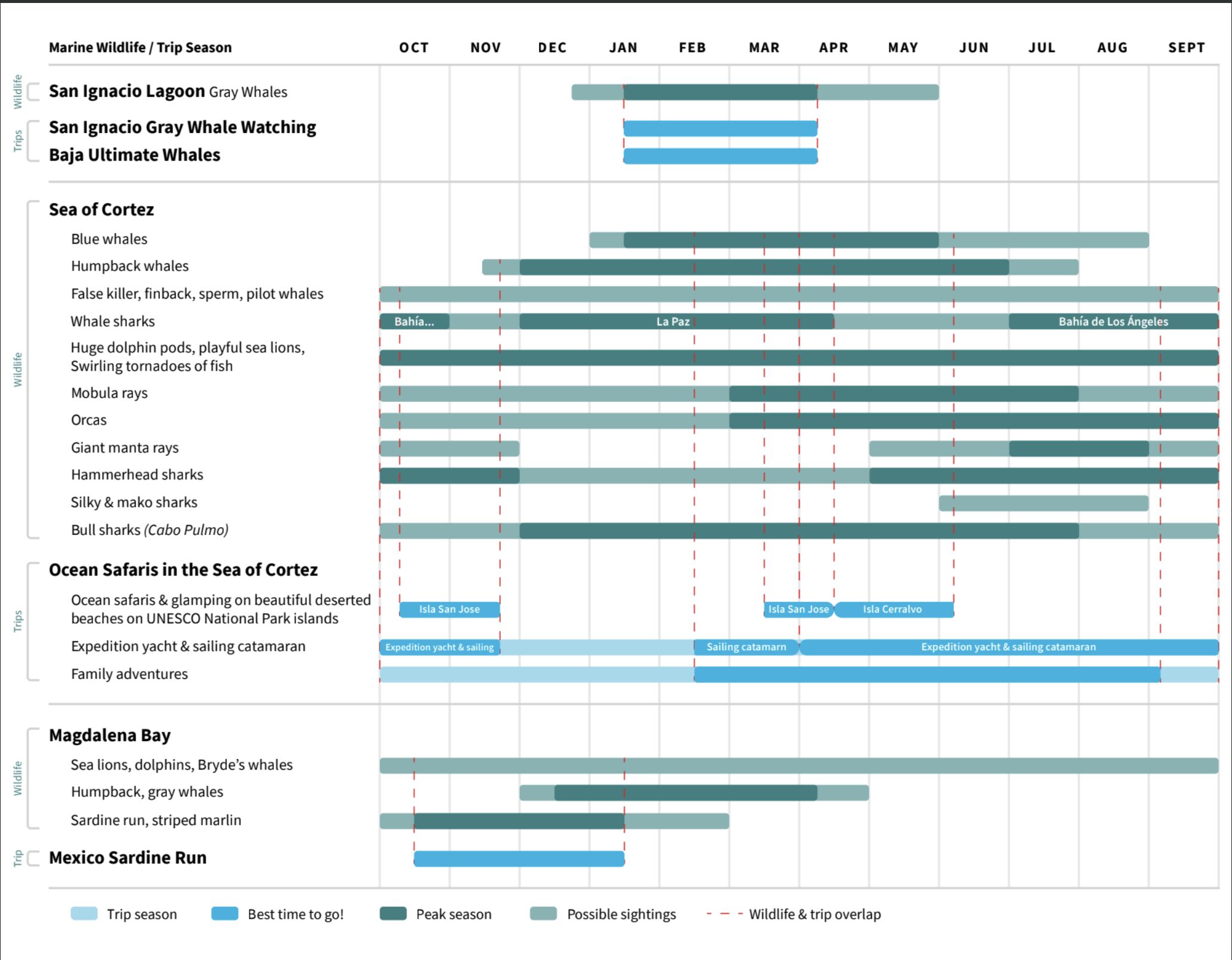
Socorro’s liveaboard season and the Sea of Cortez diving season fall at different times of the year, while the sardine run is a highly seasonal event. That means your travel dates can determine which experiences are realistically available. Nautilus’s current trip information, for example, lists Socorro departures from November through July and Sea of Cortez itineraries from July through November.
If your vacation dates are fixed, work backwards:
Your dates → what’s happening in the ocean → which destination fits.
If your dates are flexible, do it the other way around: choose the experience you want first, then plan your trip around the season.
How much diving experience do you have?
A liveaboard isn’t automatically an advanced diving holiday, but some destinations and conditions demand more experience than others.
Before booking, look at the expected conditions and the type of diving involved. Diving conditions and safety considerations include current, depth, water temperature, and surface weather.
This is particularly important when you’re heading somewhere remote. In the Revillagigedo Archipelago, for example, diving can involve current, surge, and open-ocean conditions, and operators may recommend significant prior diving experience.
The important thing is to choose an itinerary that matches your actual experience, rather than the level of experience you hope to have by the time you arrive.
If you’re uncertain, ask the operator before booking. A good operator should be happy to explain what the diving is really like.
How much diving do you want to do?
One of the biggest advantages of a liveaboard is waking up close to the diving. There’s no daily commute from a resort to the marina, and no need to pack your dive gear every day. You eat, sleep, and relax aboard the boat while travelling between dive sites.
But not every liveaboard is structured around the same amount of diving.
A dedicated diving expedition may offer several dives on a typical day. In contrast, a wildlife-focused itinerary may leave more time for snorkelling, wildlife watching, or exploring the areas islands and beaches.
So don’t compare trips just based on the number of nights. Look at what each day actually contains.
How remote do you want your adventure to be?
This is one of the most important questions — and one that can easily get overlooked when comparing itineraries online.
Some Mexican diving destinations are close to established coastal communities and can be visited from land. Others require a long offshore crossing before you even reach the first dive site.
Socorro is firmly in the latter category. The journey from Cabo San Lucas takes you deep into the Pacific, and that crossing is very much part of the experience. You’re not simply taking a boat to a dive site; you’re heading into a remote marine environment for several days.
For some divers, that’s exactly the appeal. For others, it may be more adventure than they want from a vacation.
What is life aboard actually like?
You’re choosing more than a collection of dive sites. You’re also choosing what will be your home at sea for several days.
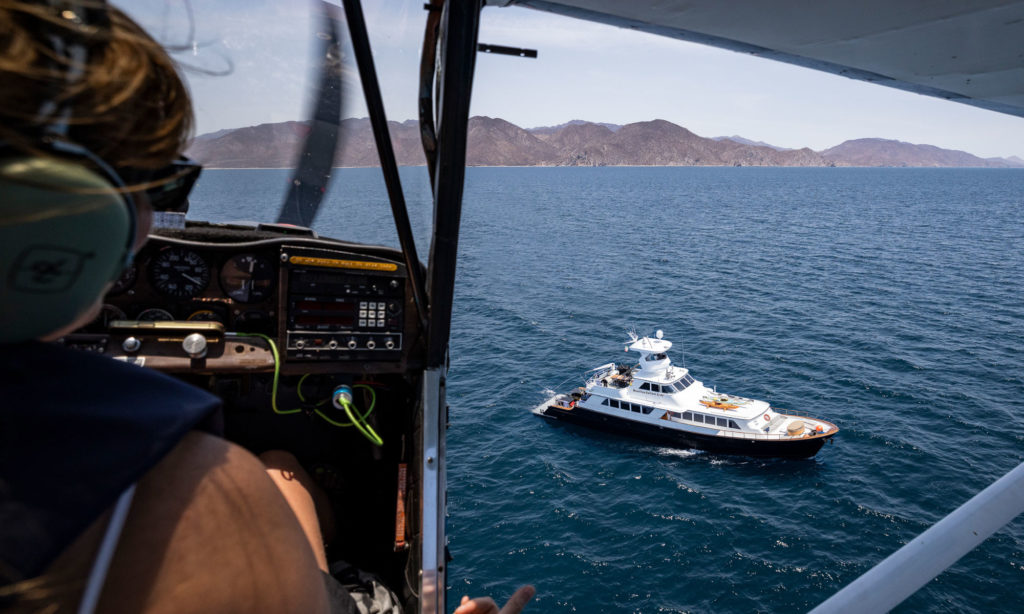
Look beyond the photographs of the boat and consider:
This becomes increasingly important the longer the trip. Especially when you think about your ideal downtime. Are you happy spending spare moments watching the horizon for wildlife? Do you want somewhere comfortable to read, a place to edit photos or video, or somewhere to relax in the sun?
Remember, a great liveaboard experience isn’t just about the diving. It’s about being comfortable with the entire rhythm of life onboard.
Look at the operator, not just the destination
Two liveaboards visiting the same destination can provide very different experiences.
Look at the things that matter when you’re offshore: crew experience, dive procedures, safety systems, equipment, emergency planning and how the operation handles changing weather and sea conditions.
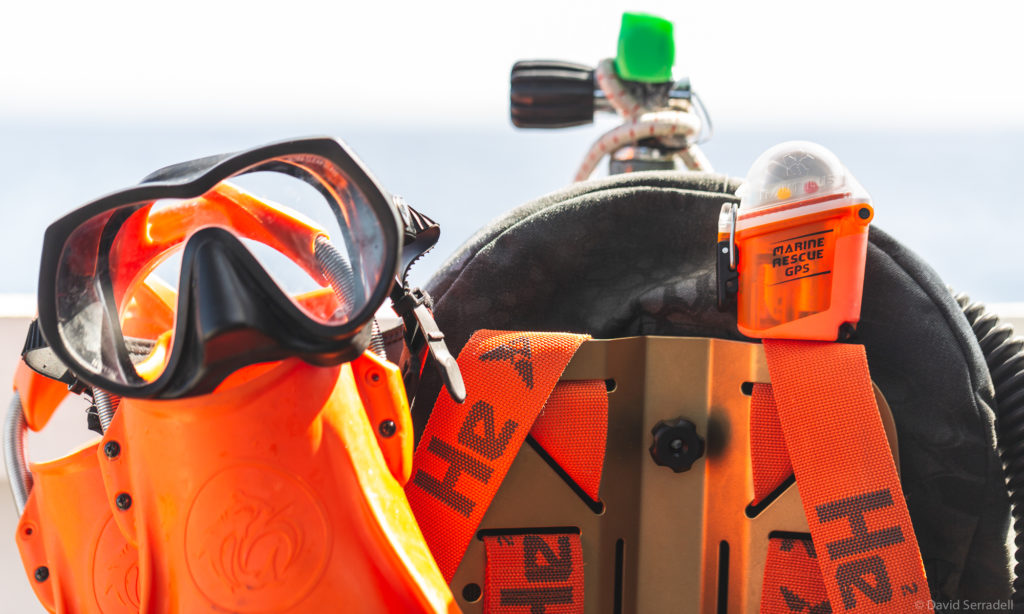
It’s also worth asking what personal safety equipment is provided for divers. For example, Nautilus provides guests with a Nautilus LifeLine personal GPS locator and SMB safety equipment.
The operator’s approach to wildlife encounters deserves consideration, too. Is there a focus on ethical wildlife practices? Or are specific encounters all but promised? No responsible operator can guarantee that a particular animal will appear on a particular dive. The ocean doesn’t work that way.
Often, the best wildlife experiences come from understanding the animals, knowing the environment and putting divers in the right place while allowing wild encounters to happen naturally. That matters particularly when your dream encounter may involve large, powerful marine animals.
Compare what is included (not just the $$$)
When you’re comparing liveaboards, it’s tempting to look at the headline price and immediately choose the cheapest option. Instead, compare what you’re actually getting:
If you’re not already Nitrox certified, check whether you can complete the certification before departure. SeeCreatures, Nautilus’s sister dive center in Cabo San Lucas, offers a full range of dive courses, including Enriched Air Nitrox certification.
Also check what you need to arrange before departure. This might include dive certifications, equipment rental, hotel stays, travel insurance, and any additional activities you want to book.
Finally, consider the experience itself. A longer expedition to somewhere you’ve dreamed of visiting may offer much better value for you than a cheaper trip simply because the nightly rate is lower.
Which Mexican liveaboard is right for you?
By now, you should have a much clearer idea of what matters to you. Here’s the short version:
| If you want… | Consider… |
| Giant manta rays, sharks and remote Pacific diving | Socorro Islands |
| A wide variety of marine life and activities | Sea of Cortez |
| A traditional scuba-focused expedition | Socorro Islands or a Sea of Cortez diving itinerary |
| Sea lions, mobulas and diverse Baja wildlife | Sea of Cortez |
| A spectacular seasonal wildlife event | Magdalena Bay Sardine Run |
| Warm-water tropical reef diving | Mexican Caribbean |
| A genuine offshore diving expedition | Socorro Islands |
Ultimately, there isn’t one destination that wins every category. The right choice depends on what you want to see, when you can travel, how you like to dive, and how adventurous you want your trip to be.
Choosing your Nautilus liveaboard
Once you’ve worked out what kind of experience you’re looking for, choosing the right itinerary becomes much easier. Nautilus Liveaboards operate expeditions to some of Mexico’s most extraordinary marine environments, from the remote waters of Socorro to the islands and wildlife-rich waters of the Sea of Cortez.
Explore the destinations, compare the itineraries, and choose the expedition that matches your idea of an unforgettable dive trip.
Ready to plan your liveaboard diving trip?